

Coastal living comes with unique rewards and challenges. Waterfront properties offer breathtaking views, recreational opportunities, and enhanced property value. However, they also face environmental pressures such as erosion, rising water levels, and storm impact. Marine construction plays a crucial role in protecting and enhancing these coastal properties. From docks and piers to seawalls and bulkheads, professional marine construction combines engineering expertise, materials knowledge, and environmental considerations to create safe, functional, and aesthetically pleasing structures. Understanding the basics of marine construction can help property owners make informed decisions and maximize the long-term benefits of their investment.
What Is Marine Construction?
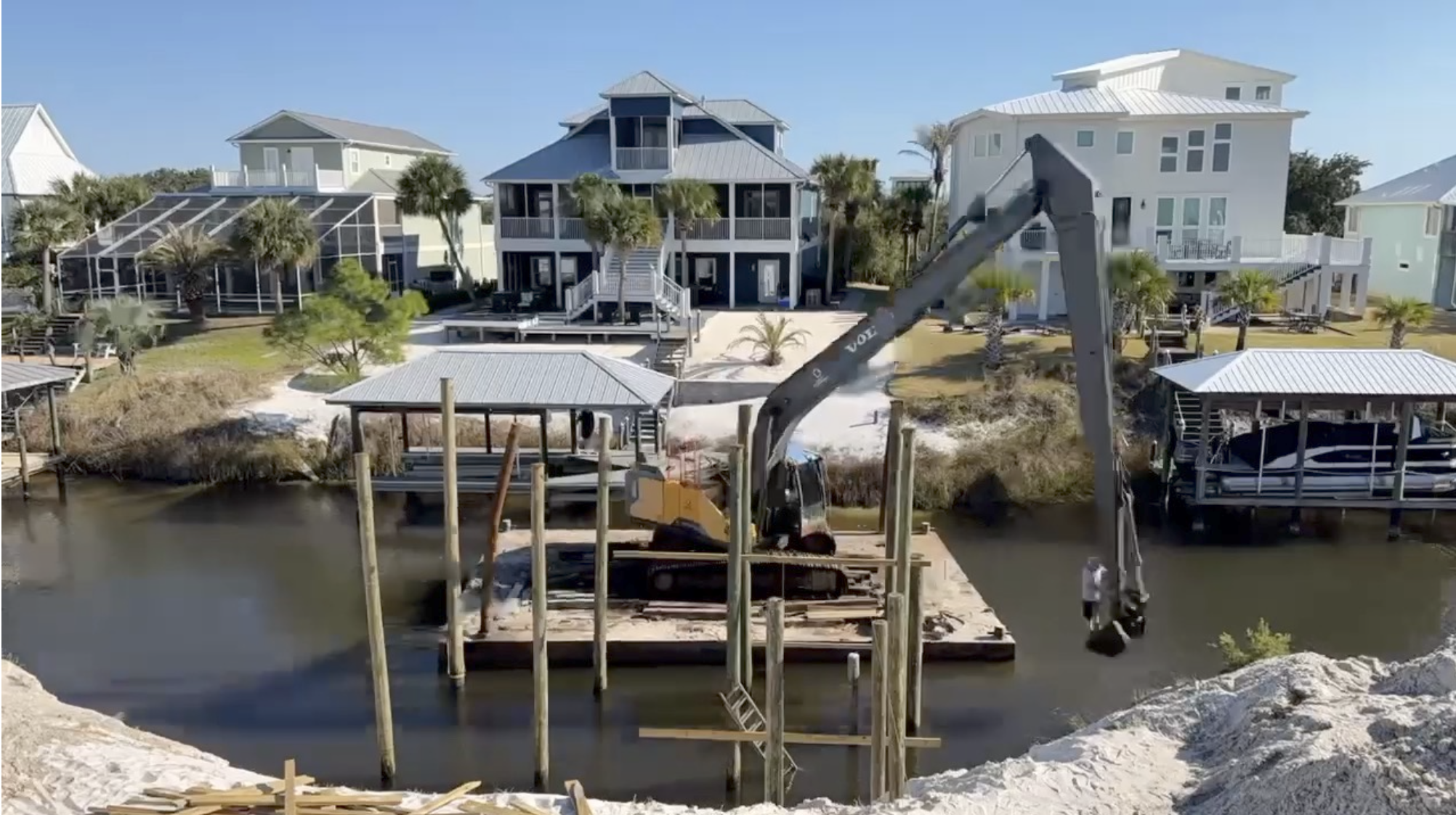
Marine construction is a specialized field that focuses on building and maintaining structures in coastal, waterfront, and offshore environments. Unlike traditional land construction, marine construction involves unique challenges such as tidal fluctuations, saltwater exposure, wave action, and sediment movement. Projects often include the construction of piers, docks, seawalls, bulkheads, boardwalks, marinas, and boat ramps. These structures not only provide functional benefits, such as access to water and docking for boats, but also serve critical roles in protecting shorelines, preventing erosion, and stabilizing coastal land. The field requires a combination of civil engineering, structural design, and environmental planning to ensure projects are durable, safe, and compliant with local regulations.
Common Types of Marine Construction Projects
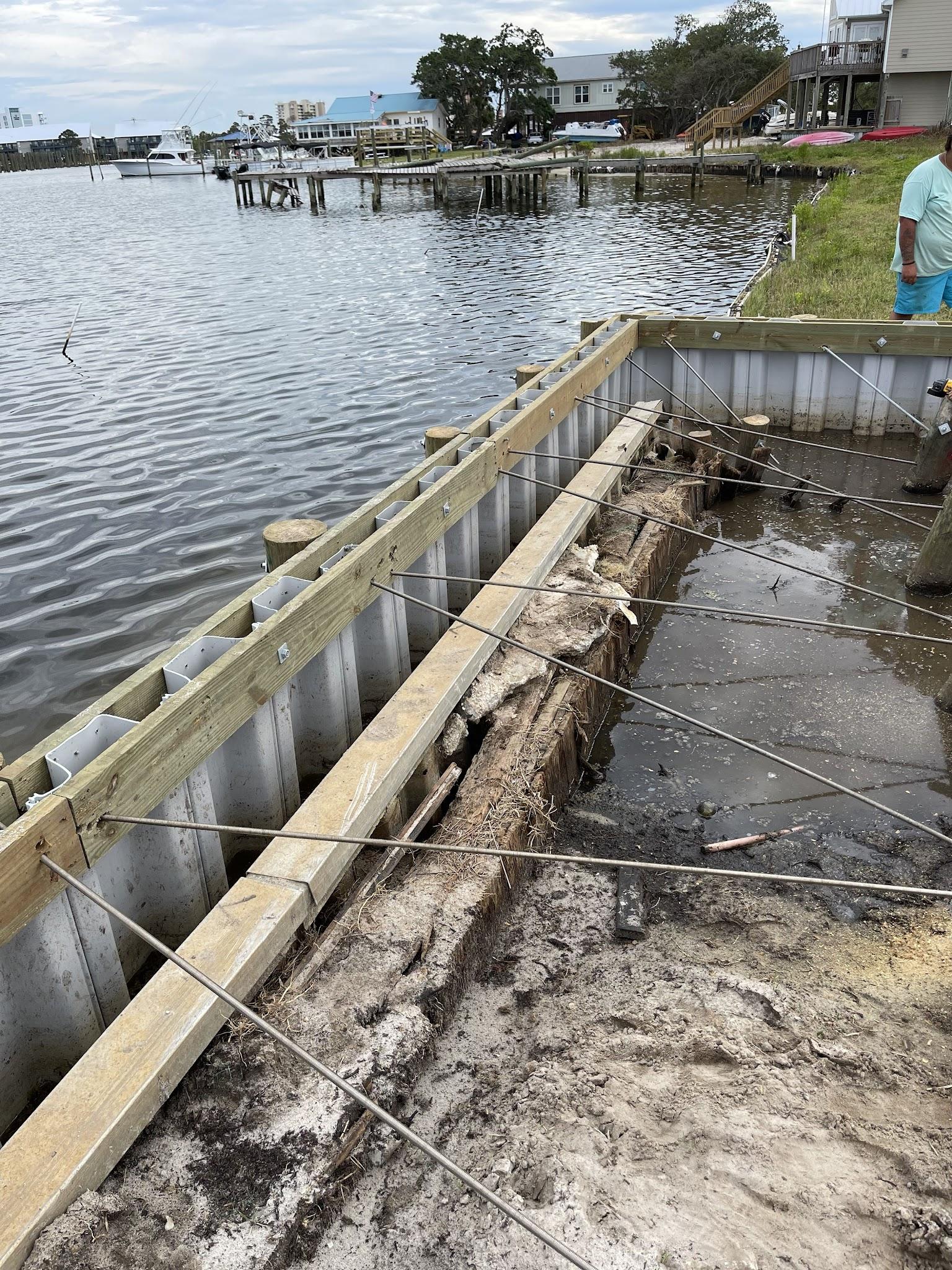
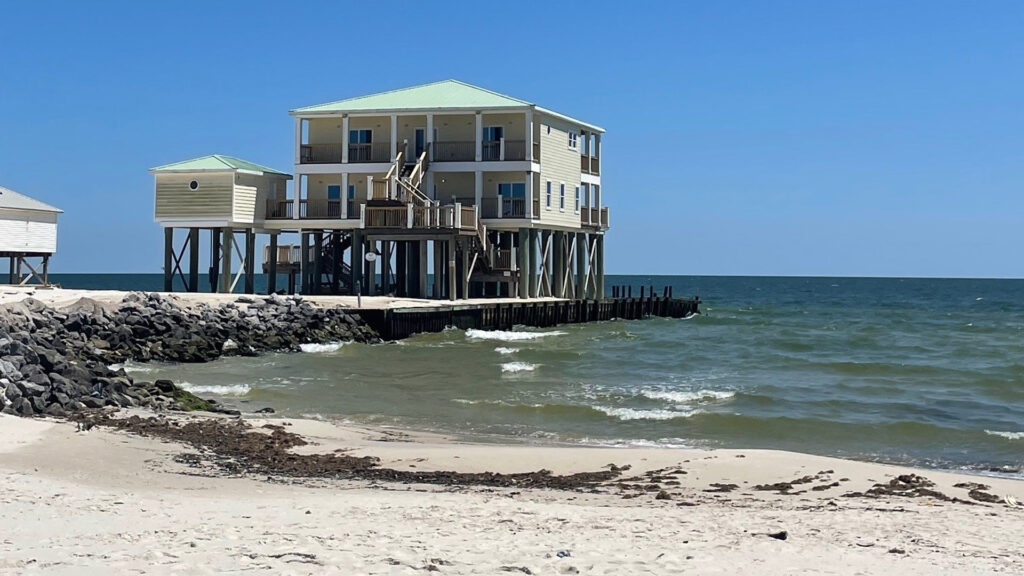
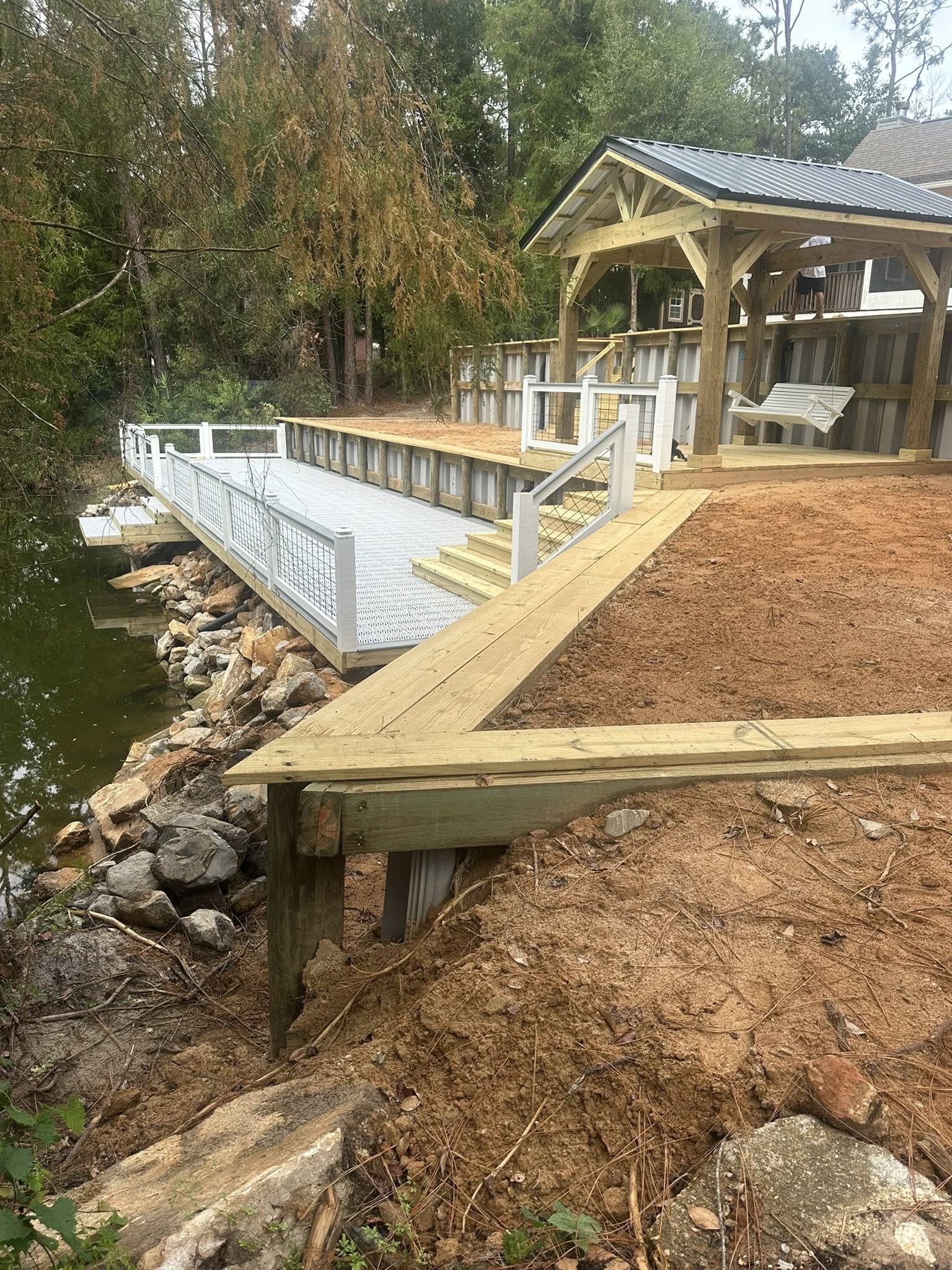
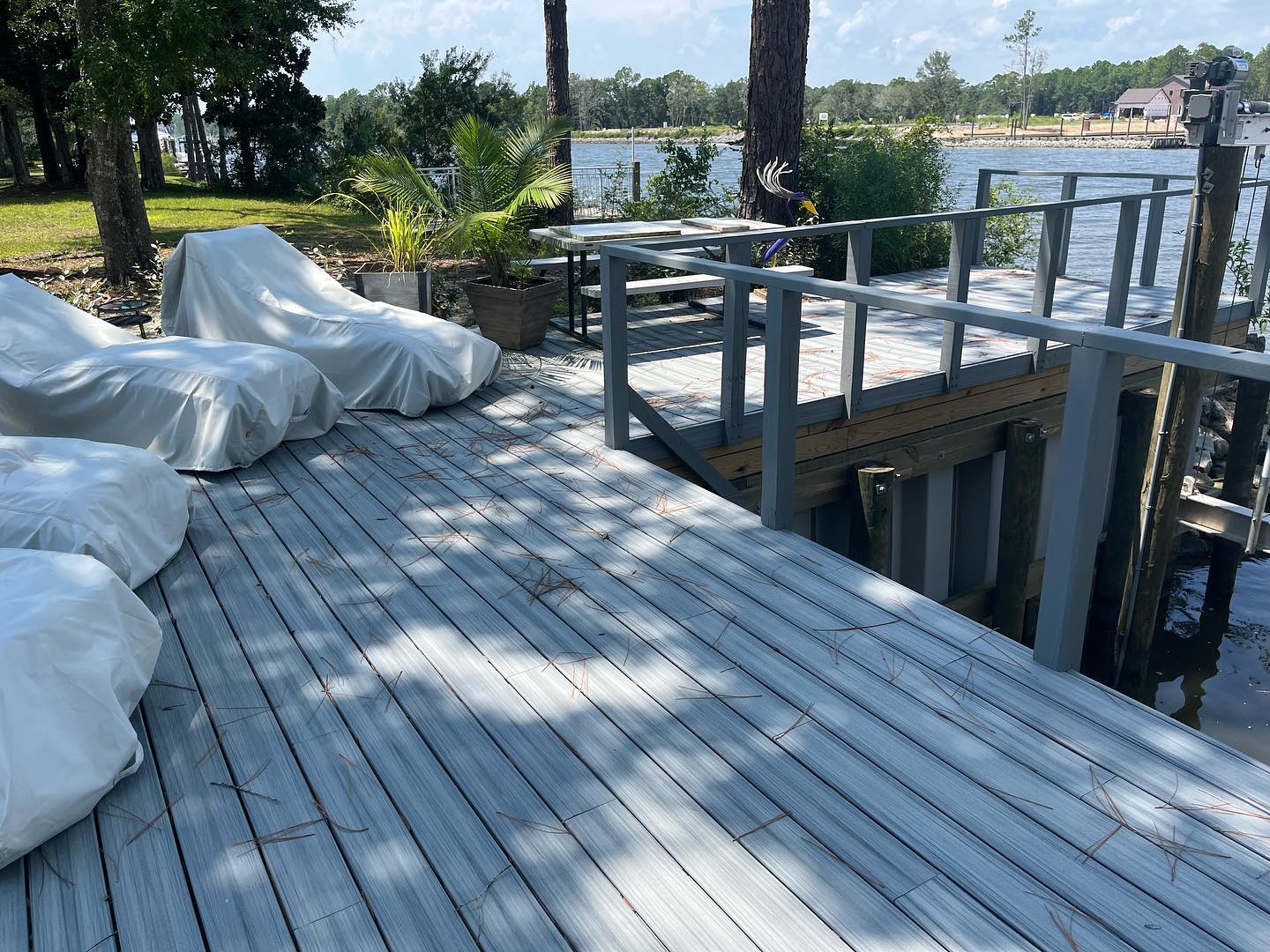
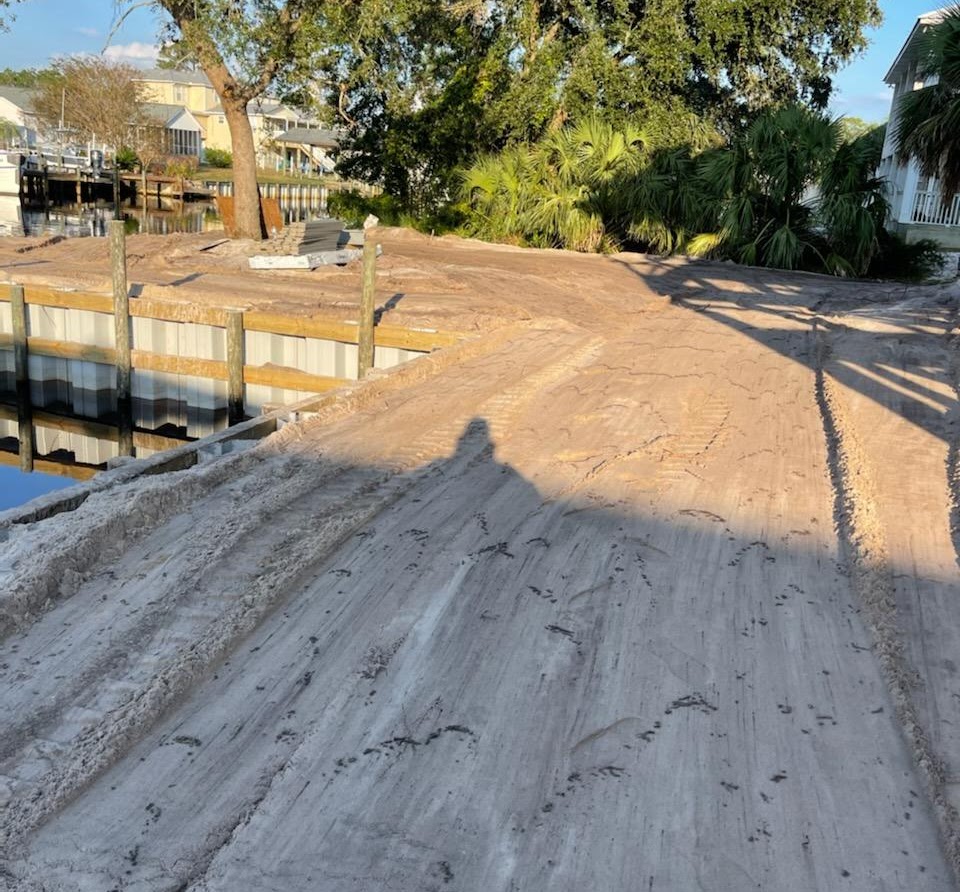
Marine construction encompasses a wide range of structures, each serving different purposes. Seawalls and bulkheads are vertical structures built along shorelines to prevent erosion and protect property from wave action. Docks and piers provide access to the water for boats and recreational activities, while also offering storage and utility space. Boat ramps and marinas facilitate safe and convenient launching of vessels, and boardwalks and promenades create accessible public or private waterfront spaces. Each type of construction requires careful planning and design to account for site conditions, environmental impact, and long-term maintenance requirements. Choosing the right type of structure depends on the property’s goals, budget, and location.
The Importance of Professional Design and Engineering
Design and engineering are critical components of marine construction. Professionals evaluate soil stability, tidal patterns, wave impact, and environmental factors to ensure structures are safe and durable. Improper design can lead to premature deterioration, structural failure, or environmental damage. Engineers use specialized techniques to reinforce foundations, select appropriate materials, and design structures that can withstand the unique pressures of coastal environments. Additionally, adherence to local and federal regulations ensures compliance with environmental protection laws, zoning restrictions, and permitting requirements. Hiring experienced professionals is essential for achieving a successful, long-lasting marine construction project.
Materials Used in Marine Construction
Marine structures must withstand harsh conditions, including saltwater corrosion, UV exposure, and fluctuating water levels. As a result, material selection is a key factor in project success. Concrete is commonly used for seawalls, bulkheads, and piers due to its durability and strength. Treated timber offers a natural aesthetic and is often used for boardwalks, docks, and pilings. Steel and composite materials provide additional strength and resistance to corrosion in high-stress environments. The choice of materials affects the lifespan, maintenance requirements, and overall cost of a project, making informed selection essential for long-term performance.
Benefits of Marine Construction for Property Owners
Marine construction provides numerous benefits for coastal property owners. Protection from erosion is a primary advantage, as structures such as seawalls and bulkheads stabilize shorelines and prevent property loss. Improved access to water is another significant benefit, with docks, piers, and boat ramps enabling recreational and commercial activities. Additionally, professionally designed marine structures can enhance property value, offering functional and aesthetic appeal that attracts buyers and increases marketability. Marine construction also contributes to environmental management, reducing sediment runoff, protecting wetlands, and creating habitats for aquatic life when designed responsibly.
Maintenance and Longevity
While marine structures are built to be durable, they still require regular maintenance to ensure longevity. Saltwater exposure, weather events, and everyday wear can impact performance over time. Routine inspections, cleaning, and minor repairs can prevent more significant damage and extend the life of the structure. For example, checking for loose pilings, corrosion, or erosion near foundations allows property owners to address issues before they become costly problems. Sealing concrete, treating timber, and applying protective coatings to steel are common maintenance practices that enhance durability. By staying proactive, property owners can enjoy safe, functional, and attractive marine structures for decades.
Environmental Considerations
Environmental responsibility is an important aspect of marine construction. Coastal ecosystems are sensitive, and construction projects must minimize disruption to marine habitats, water quality, and shoreline vegetation. Proper design and planning can reduce the impact on local wildlife while still achieving the functional goals of the project. Techniques such as using permeable surfaces, incorporating natural vegetation, and minimizing dredging can help protect the environment. Many marine construction companies also work closely with environmental agencies to ensure projects meet or exceed regulatory standards. Responsible marine construction balances human needs with ecological preservation.
Planning Your Marine Construction Project
Planning is key to a successful marine construction project. Property owners should start by identifying their goals, whether it’s erosion control, waterfront access, or aesthetic enhancement. Consulting with experienced marine construction professionals ensures that the project is designed for long-term durability and environmental compliance. Budgeting, permitting, and scheduling should all be addressed early in the process to avoid delays and unexpected costs. Additionally, considering future maintenance needs and potential upgrades will help maximize the investment. Proper planning ensures that marine construction projects achieve their intended benefits and provide value for years to come.
Conclusion
Marine construction is a vital component of coastal property management and development. From protecting shorelines and preventing erosion to providing access and enhancing property value, professionally designed marine structures offer both functional and aesthetic benefits. By understanding the basics of marine construction, including project types, materials, design considerations, and environmental impacts, property owners can make informed decisions and enjoy safe, durable, and attractive waterfront spaces. Whether building a dock, seawall, pier, or boardwalk, investing in quality marine construction ensures long-term protection, usability, and beauty for coastal properties.


4 Comments. Leave new
https://shorturl.fm/rQDjM
https://shorturl.fm/0N527
https://shorturl.fm/zKf0P
https://shorturl.fm/2B2Oy