
Owning a waterfront property comes with unique rewards, from breathtaking views to direct access to water activities. However, coastal properties also face environmental challenges, particularly erosion, wave action, and fluctuating water levels. Protecting your shoreline is essential for preserving property value, safety, and usability. Two common solutions for coastal protection are seawalls and bulkheads. Both serve the purpose of preventing erosion and stabilizing shorelines, but they differ in construction, durability, cost, and environmental impact. Understanding these differences is crucial when deciding which option is best for your property.
What Is a Seawall?
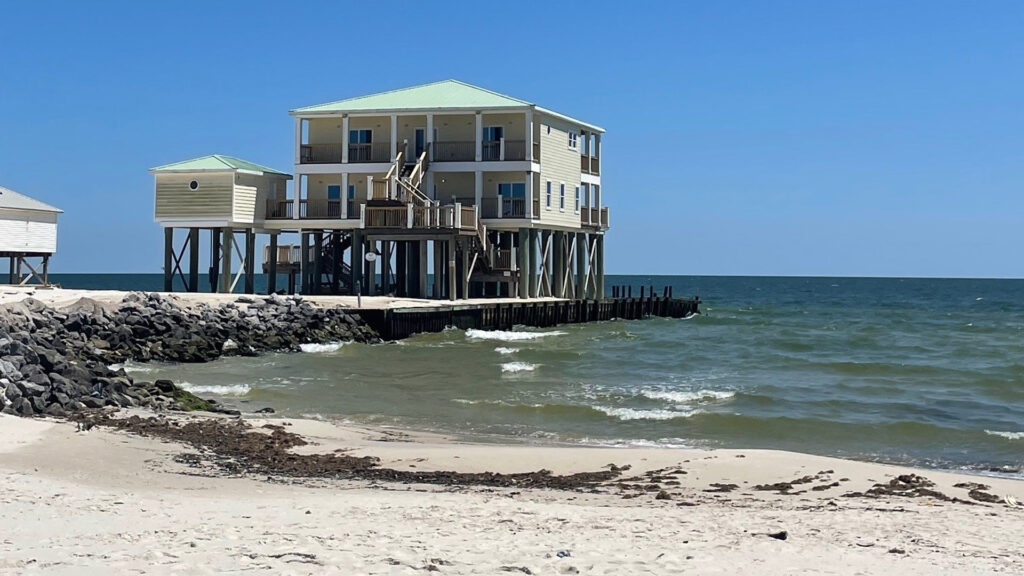
A seawall is a vertical or near-vertical structure built along the shoreline to prevent water from encroaching onto land. Typically constructed from reinforced concrete, steel, or large stones, seawalls are designed to absorb and deflect the energy of waves, reducing the risk of erosion and property damage. Seawalls can be constructed in front of existing shorelines or integrated into new developments. Their solid construction makes them highly durable, able to withstand storm surges, high tides, and heavy wave action.
Seawalls are particularly effective in areas with steep or high-energy shorelines where wave action is strong. By creating a barrier between the water and land, seawalls provide long-term protection for homes, commercial properties, and infrastructure. They are often engineered to last decades, making them a reliable investment for coastal property owners concerned about shoreline stability.
What Is a Bulkhead?
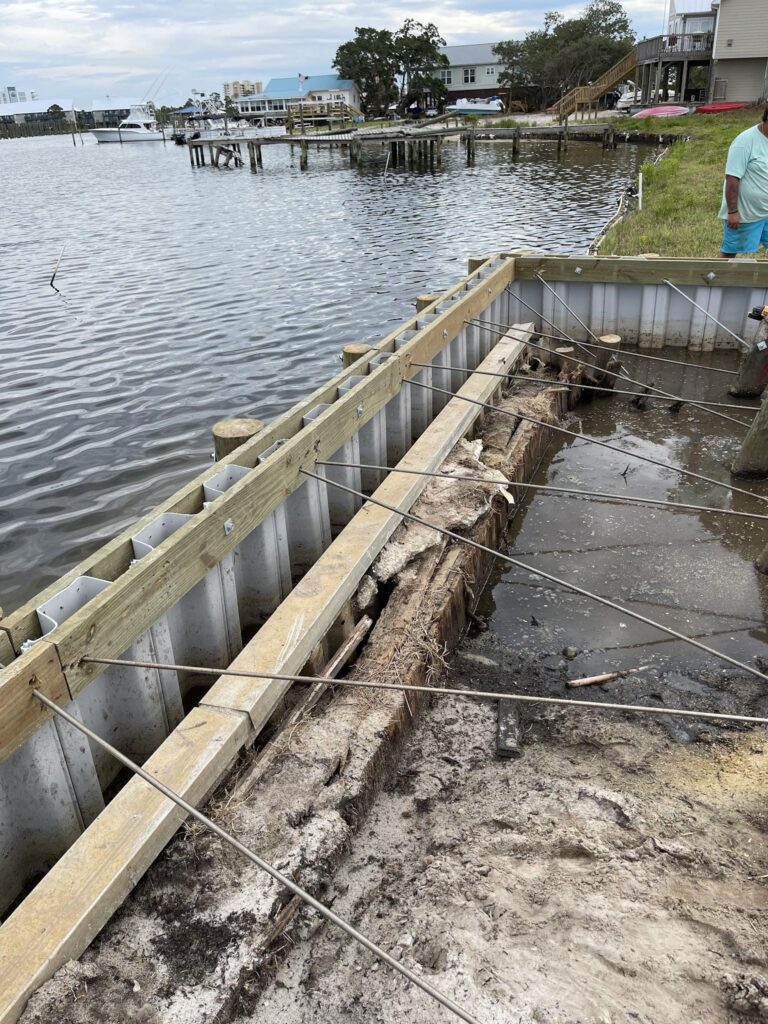
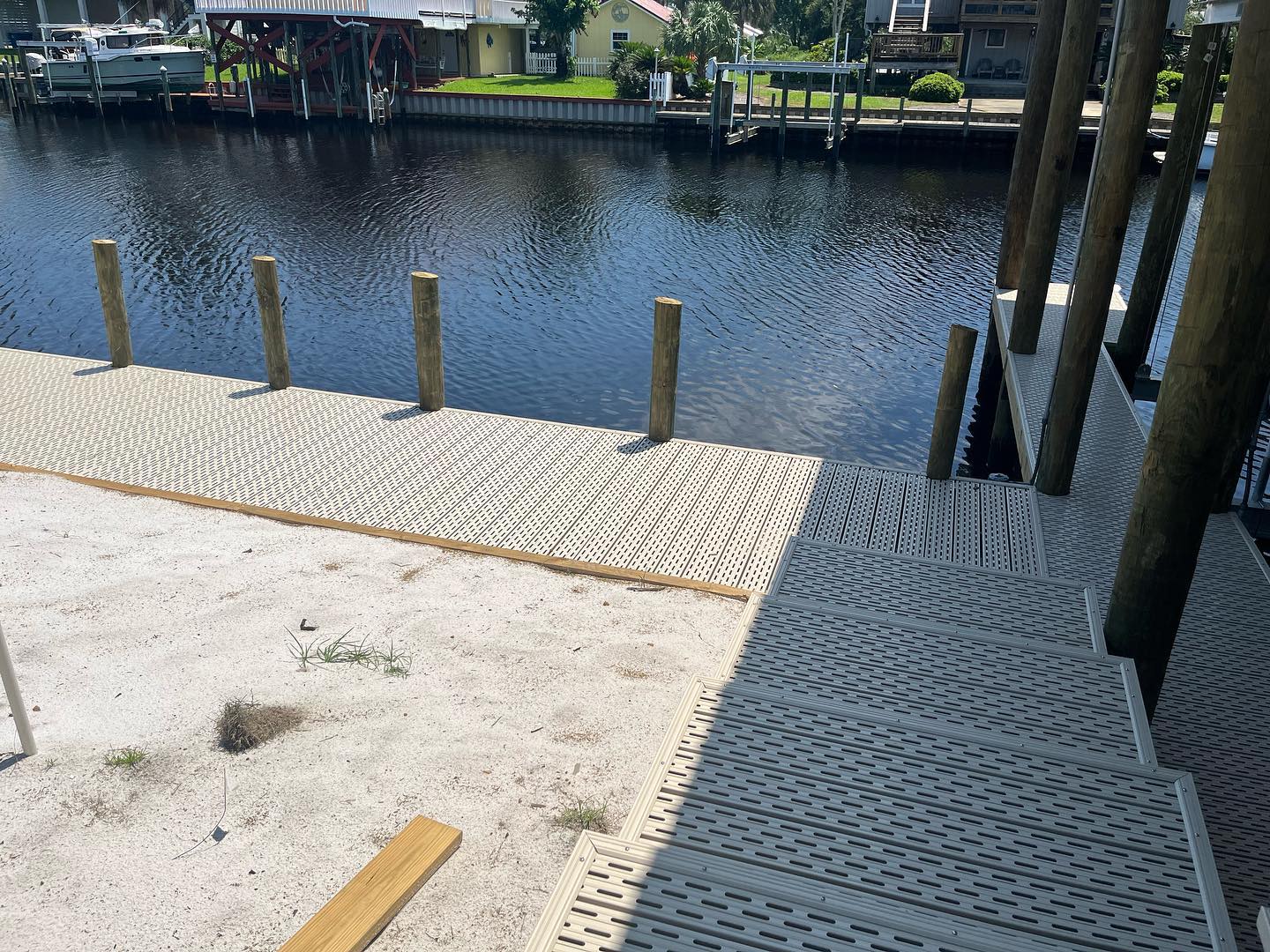
A bulkhead is a retaining wall built along the water’s edge, primarily to prevent soil erosion and stabilize the shoreline. Unlike seawalls, bulkheads are often vertical but lighter in construction, commonly made from timber, steel, or concrete. Bulkheads are typically installed where the shoreline is less exposed to strong waves and currents, such as protected bays, canals, or calm waterways.
Bulkheads work by holding back soil and creating a clear boundary between land and water. They are effective for preventing gradual erosion and maintaining property lines. While they may not be as robust as seawalls against powerful wave action, bulkheads are often easier and faster to install, and they can be a cost-effective solution for many waterfront properties.
Key Differences Between Seawalls and Bulkheads
Construction and Materials
The construction methods and materials for seawalls and bulkheads are different due to the intended level of protection. Seawalls are typically heavier and more reinforced, using materials such as poured concrete, reinforced steel, or large interlocking stones. They are engineered to withstand high-energy waves and harsh environmental conditions.
Bulkheads, on the other hand, are often built with timber, sheet piling, or modular concrete panels. They are designed for less aggressive shorelines and are primarily focused on retaining soil and reducing erosion rather than absorbing strong wave impact. The lighter construction of bulkheads allows for faster installation and often lower initial costs.
Durability and Maintenance
Seawalls are known for their longevity. When properly designed and constructed, they can last decades with minimal maintenance. Periodic inspections and minor repairs, such as sealing cracks or reinforcing joints, are typically sufficient to maintain seawall integrity.
Bulkheads generally have a shorter lifespan than seawalls. Timber bulkheads, for example, may last 20 to 30 years depending on exposure to water and environmental conditions, while steel or concrete bulkheads can last longer. Regular inspections, especially after storms, are important to ensure the bulkhead continues to function effectively. Maintenance may include replacing damaged panels, treating wood to prevent rot, or reinforcing foundations.
Cost Considerations
Cost is a significant factor when deciding between a seawall and a bulkhead. Seawalls usually involve higher upfront costs due to their heavy-duty construction, engineering requirements, and use of reinforced materials. However, their durability and reduced maintenance needs often make them cost-effective over the long term.
Bulkheads typically require a lower initial investment, particularly when using timber or modular materials. While they may require more frequent maintenance or replacement over time, bulkheads can be an attractive option for property owners with budget constraints or for shorelines that do not experience high wave energy.
Environmental Impact
Both seawalls and bulkheads have environmental implications. Seawalls, due to their solid construction, can reflect wave energy and reduce natural sediment deposition along the shoreline. This may lead to scouring or habitat changes in the surrounding area. However, modern engineering techniques can mitigate these effects, and seawalls can be designed to incorporate natural features or buffers to reduce environmental impact.
Bulkheads tend to have a lighter footprint and may allow for more natural sediment flow and habitat preservation. Choosing materials and installation methods carefully can help minimize ecological disruption while maintaining shoreline stability. Property owners should consult with marine construction professionals and environmental agencies to ensure compliance with local regulations and to implement eco-friendly solutions.
Choosing the Right Solution for Your Property
Selecting between a seawall and a bulkhead depends on several factors, including shoreline conditions, wave energy, environmental considerations, property goals, and budget. Properties exposed to strong tides, storms, or open water generally benefit from the durability and protection offered by seawalls. Conversely, protected waterways, canals, and calm bays may be well-suited for bulkheads, providing effective erosion control at a lower cost.
Professional consultation is essential when planning coastal protection projects. Marine construction experts can assess site conditions, recommend appropriate materials and designs, and ensure compliance with local regulations. Proper planning and installation are key to achieving long-term protection, minimizing maintenance, and preserving the natural beauty of the waterfront.
Maintenance Tips for Coastal Structures
Regardless of whether you choose a seawall or bulkhead, regular maintenance is critical to ensure longevity. Property owners should inspect their structures periodically, particularly after storms or high tides. Look for signs of erosion, cracks, loose panels, or corrosion. Routine maintenance may include reinforcing weak areas, treating wood to prevent rot, and cleaning debris that could compromise structural integrity. By staying proactive, homeowners can extend the life of their seawalls or bulkheads and protect their investment in waterfront property.
Conclusion
Seawalls and bulkheads are essential tools for protecting coastal properties from erosion, wave action, and environmental pressures. Understanding the differences between these two solutions—construction methods, durability, cost, and environmental impact—allows property owners to make informed decisions tailored to their shoreline and goals. Seawalls offer robust, long-lasting protection for high-energy shorelines, while bulkheads provide an effective, often more cost-efficient option for calmer waters. Consulting with experienced marine construction professionals ensures that your chosen solution is designed, built, and maintained to provide maximum protection and value. With the right approach, seawalls and bulkheads can safeguard your property, enhance usability, and preserve the beauty of your waterfront for years to come.


3 Comments. Leave new
https://shorturl.fm/LZeWs
https://shorturl.fm/mvWOW
https://shorturl.fm/xvogK