
Waterfront properties are some of the most coveted real estate locations, offering breathtaking views, access to boating, and serene living. But along with the beauty comes unique responsibility. Storms, high tides, hurricanes, and coastal erosion can cause serious damage if your waterfront home or business is not properly fortified. Fortunately, with modern marine construction techniques, there are effective ways to protect your investment while preserving the natural beauty of your shoreline.
Understanding the Risks to Waterfront Property
Before diving into solutions, it is important to understand the risks that threaten waterfront properties. Storms can bring powerful winds, heavy rainfall, and storm surges that wash away soil and undermine foundations. Erosion is a slow, persistent process, gradually wearing away your shoreline and potentially destabilizing docks, seawalls, and bulkheads. In addition, fluctuating tides and wave action can exacerbate these issues over time. Recognizing these risks allows property owners to take a proactive approach to safeguarding their investment.
Seawalls: A First Line of Defense
Seawalls are one of the most common storm-resilient structures used to protect waterfront property. Typically made from concrete, steel, or reinforced materials, seawalls act as a barrier against waves and storm surges. They prevent water from eroding the land immediately behind the structure, protecting foundations, landscaping, and other structures. Modern seawalls are engineered to withstand extreme weather events and can be designed to blend seamlessly with the natural shoreline, preserving aesthetics while offering protection.
Bulkheads: Reinforcing Your Shoreline
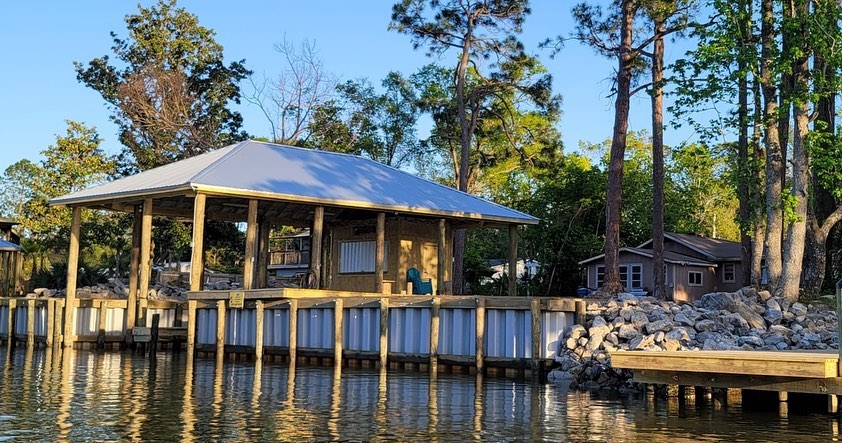
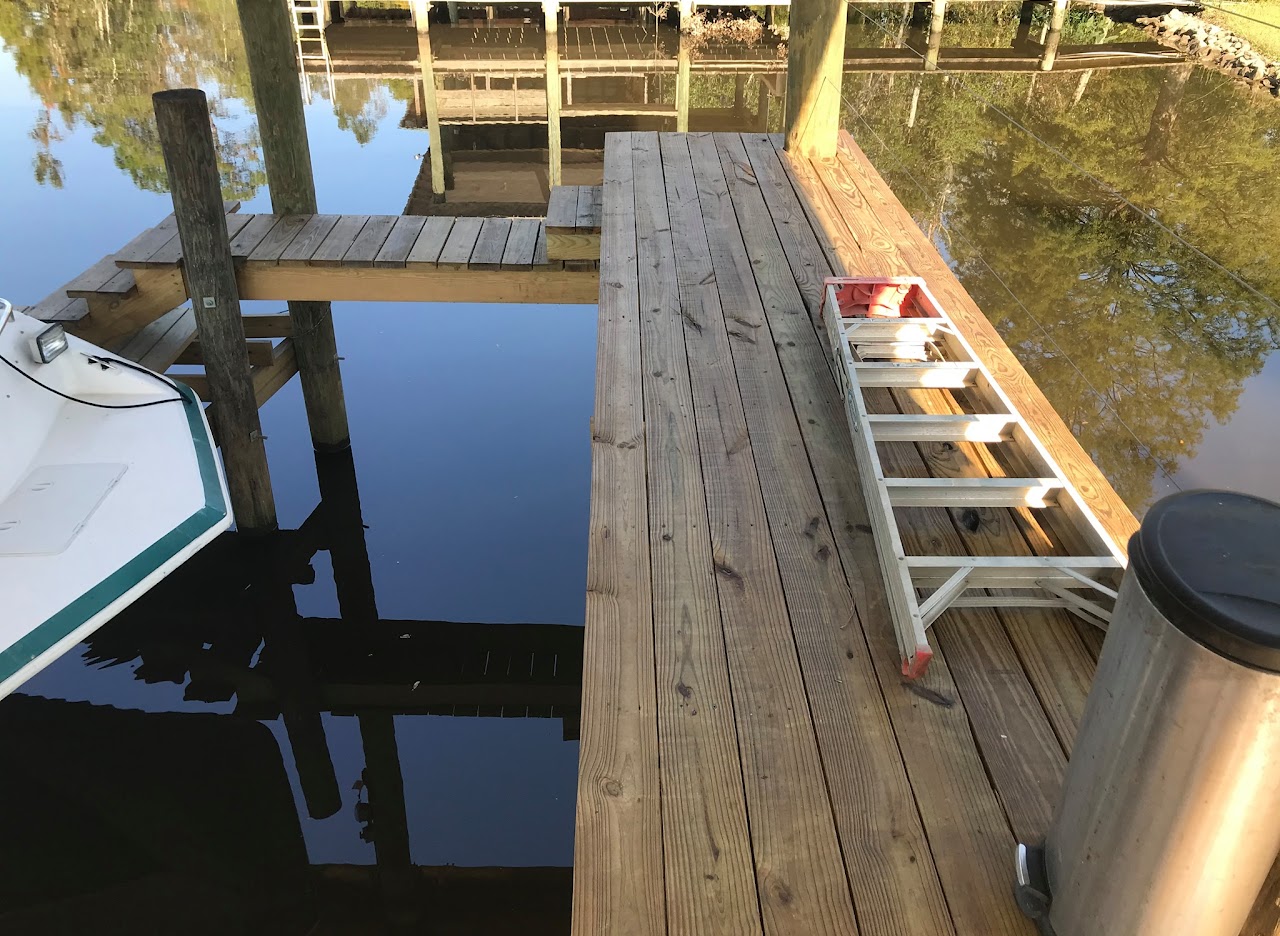
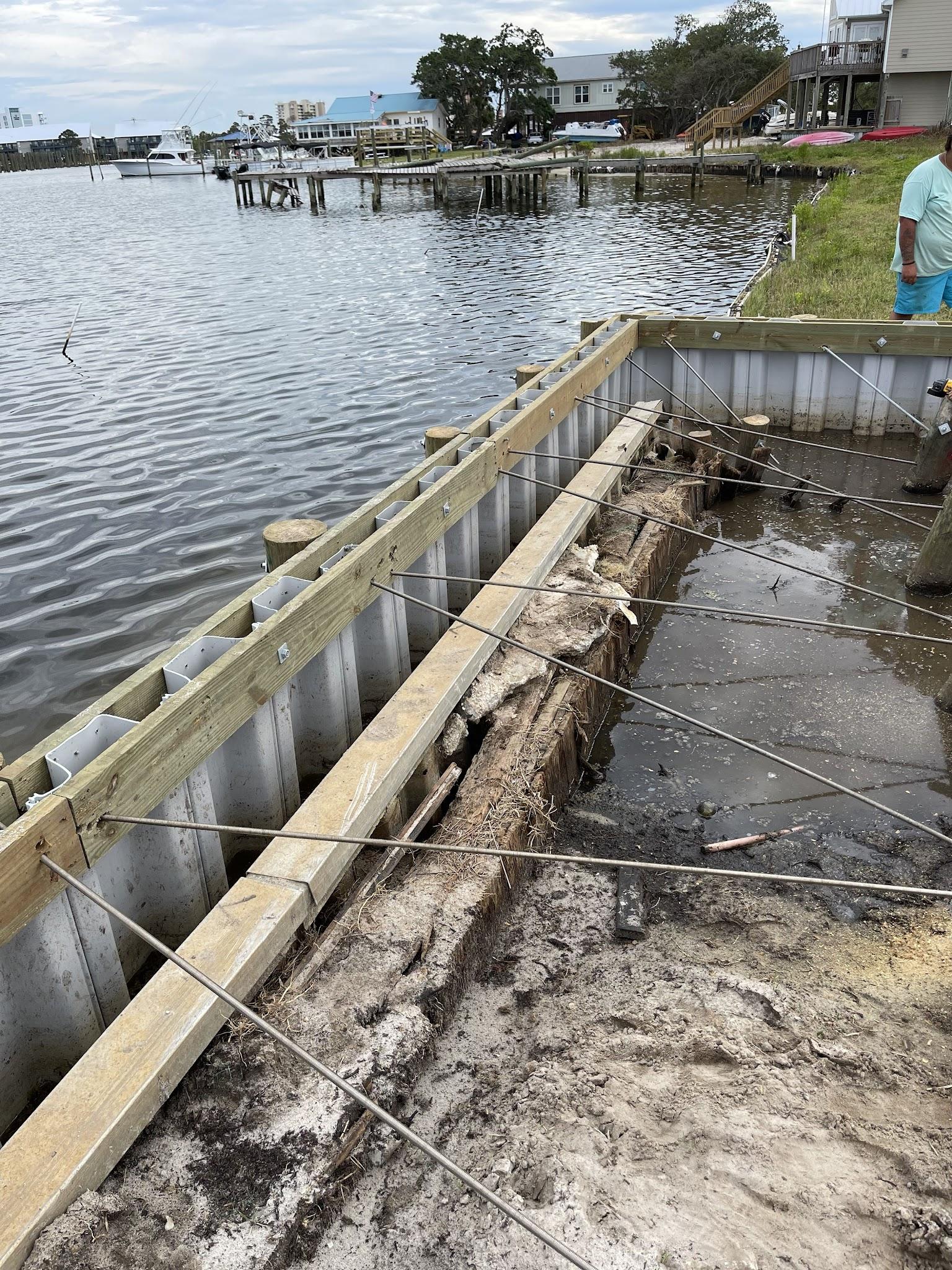
Bulkheads serve a similar purpose to seawalls but are often constructed with timber, vinyl, or steel sheets driven deep into the soil. They are particularly useful for properties with gradual slopes leading to the water, creating a stable edge to prevent soil displacement. Bulkheads can be reinforced with tiebacks and anchors for added durability, ensuring they hold up under strong wave action. In addition, they are highly versatile and can be integrated with docks, piers, and other waterfront structures, providing both function and form.
Breakwaters and Wave Barriers
For properties that experience strong wave action, breakwaters or offshore wave barriers can offer an additional layer of protection. These structures are placed a short distance from the shoreline, dissipating energy before it reaches your property. Breakwaters can be permanent or temporary, constructed from rock, concrete, or specialized modular units. By reducing the impact of waves, these barriers help prevent erosion and minimize the stress on seawalls and bulkheads, increasing the longevity of your waterfront defenses.
Elevation and Storm-Resilient Design
Beyond physical barriers, elevation plays a critical role in storm protection. Raising homes, docks, and other structures above known flood levels can dramatically reduce storm damage. Incorporating resilient materials and reinforced foundations ensures that buildings can withstand water intrusion and high winds. Thoughtful design, such as sloped driveways, permeable surfaces, and strategically placed landscaping, can also redirect water away from critical areas, reducing the risk of flooding and property loss.
Maintaining Your Storm Protection Measures
Constructing seawalls, bulkheads, or other protective structures is only part of the solution. Regular maintenance is crucial to ensure their effectiveness over time. Inspecting for cracks, soil erosion, or displaced components allows you to address issues before they become costly problems. Routine cleaning, minor repairs, and professional assessments following major storms will extend the life of your defenses and keep your waterfront property secure.
Planning Ahead: Permits and Environmental Considerations
When building or upgrading storm-resilient structures, it is important to follow local regulations and obtain the necessary permits. Coastal areas are often subject to strict environmental guidelines to protect marine habitats and prevent unintended consequences. Working with a professional marine construction company ensures that your project meets all legal requirements while maximizing protection for your property. In many cases, expert planning can also minimize long-term maintenance costs and improve the durability of your shoreline defenses.
Investing in Your Property’s Future
Waterfront properties are valuable investments, and protecting them from storm damage is a proactive way to preserve their value. Properly engineered seawalls, bulkheads, breakwaters, and elevated construction not only reduce the risk of damage but also provide peace of mind during hurricane season or periods of high water. By combining professional marine construction solutions with ongoing maintenance, property owners can enjoy the beauty and lifestyle of living by the water without the constant worry of storms and erosion.
Conclusion
Storm damage is an unavoidable threat for waterfront property owners, but with the right strategies, it does not have to be catastrophic. Seawalls, bulkheads, breakwaters, and thoughtful design can all play a role in fortifying your property against wind, waves, and erosion. Regular maintenance and adherence to local regulations ensure that these measures remain effective for years to come. By investing in storm-resilient construction, you are not just protecting your home or business, you are safeguarding a lifestyle and a long-term investment that can be enjoyed for generations.


5 Comments. Leave new
https://shorturl.fm/l5xBW
https://shorturl.fm/IgAC4
https://shorturl.fm/2yFBP
https://shorturl.fm/LkegO
https://shorturl.fm/Ea5DH