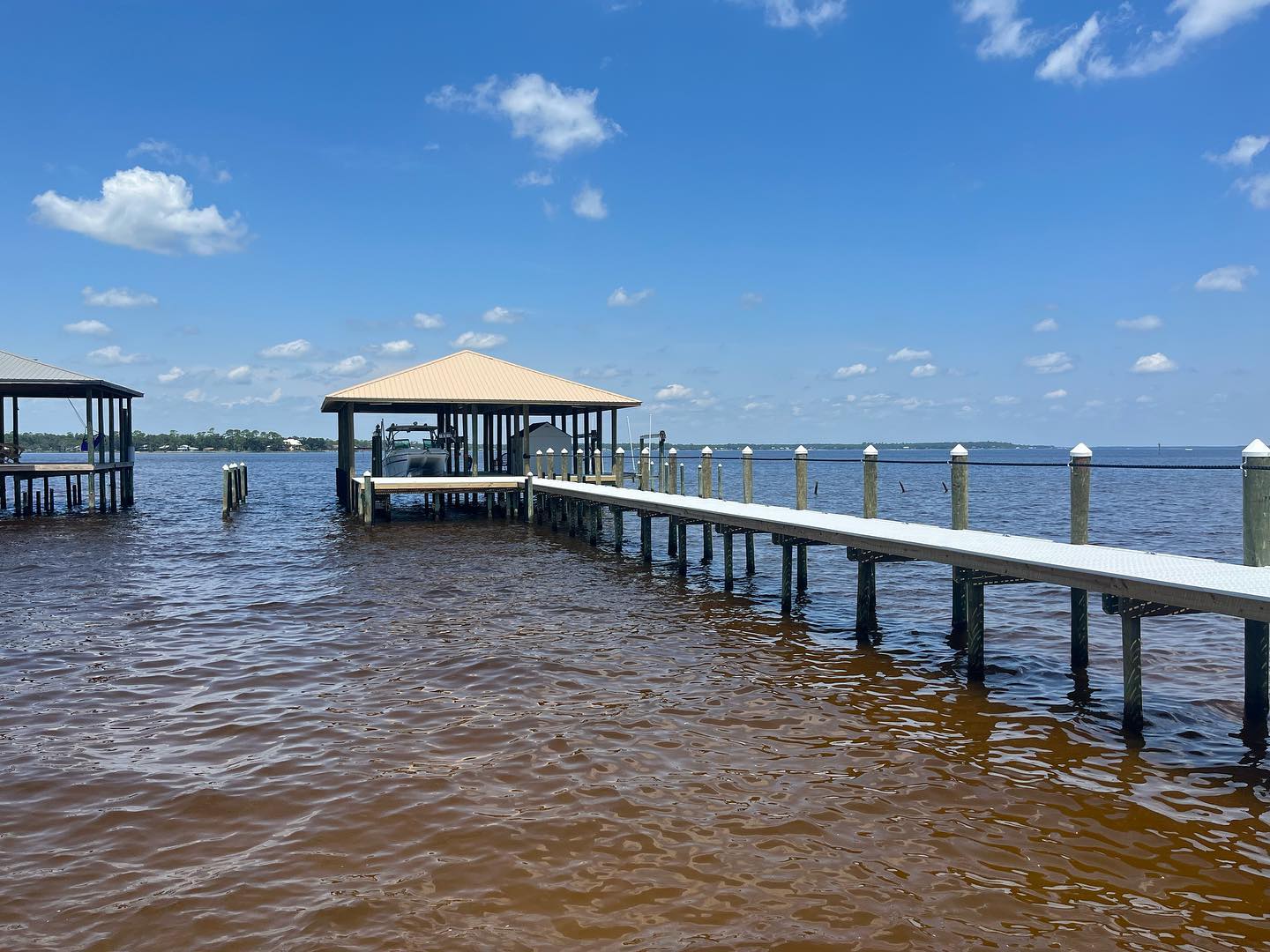

Waterfront properties offer incredible opportunities for recreation, relaxation, and investment. However, building on the water comes with unique challenges, and one of the most important components of any dock, pier, or seawall is often invisible to the casual observer—the pilings. Pilings serve as the foundation of waterfront structures, providing stability, strength, and longevity. Understanding their role can help property owners make informed decisions about construction, maintenance, and upgrades.
What Are Pilings?
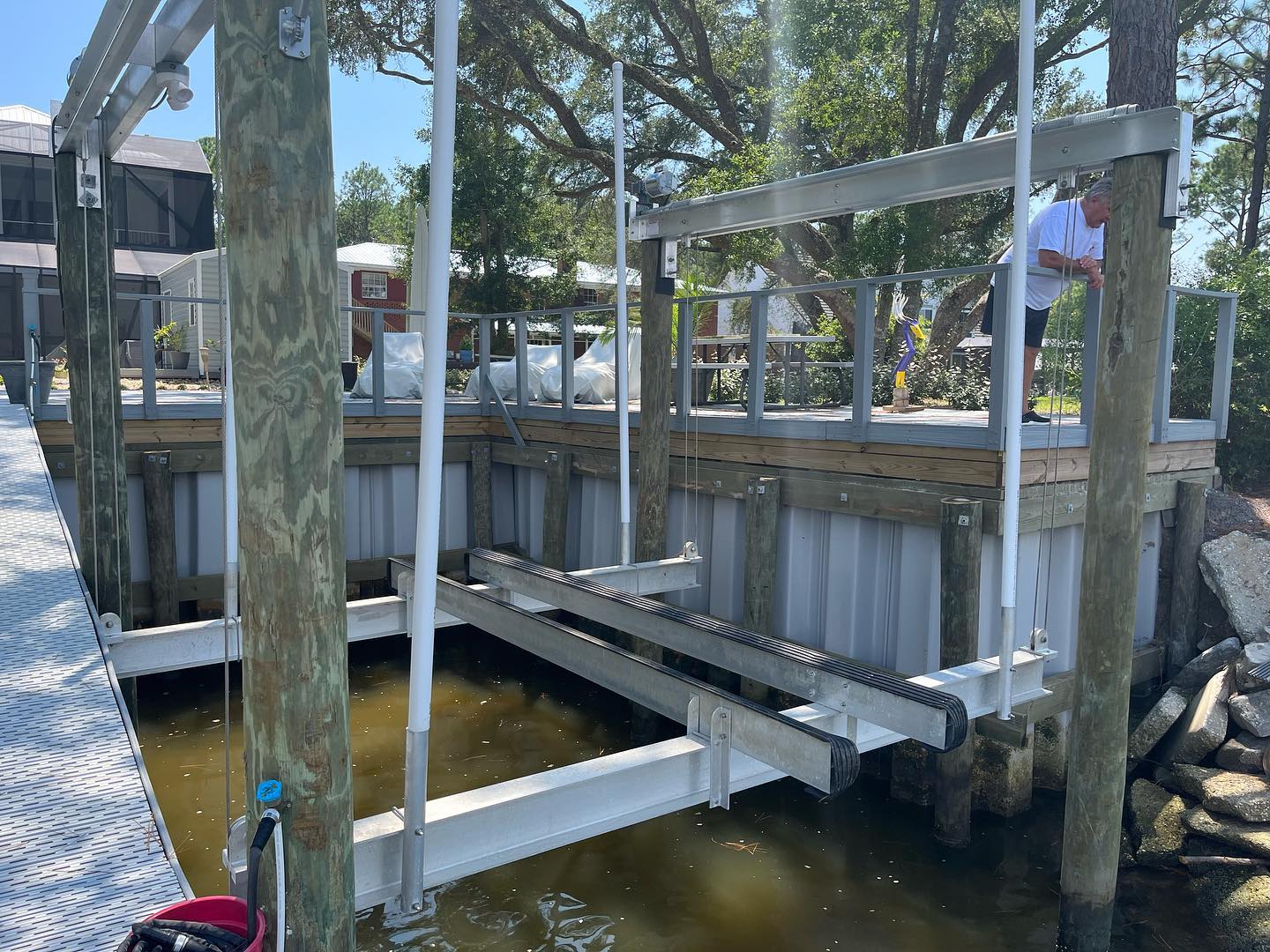
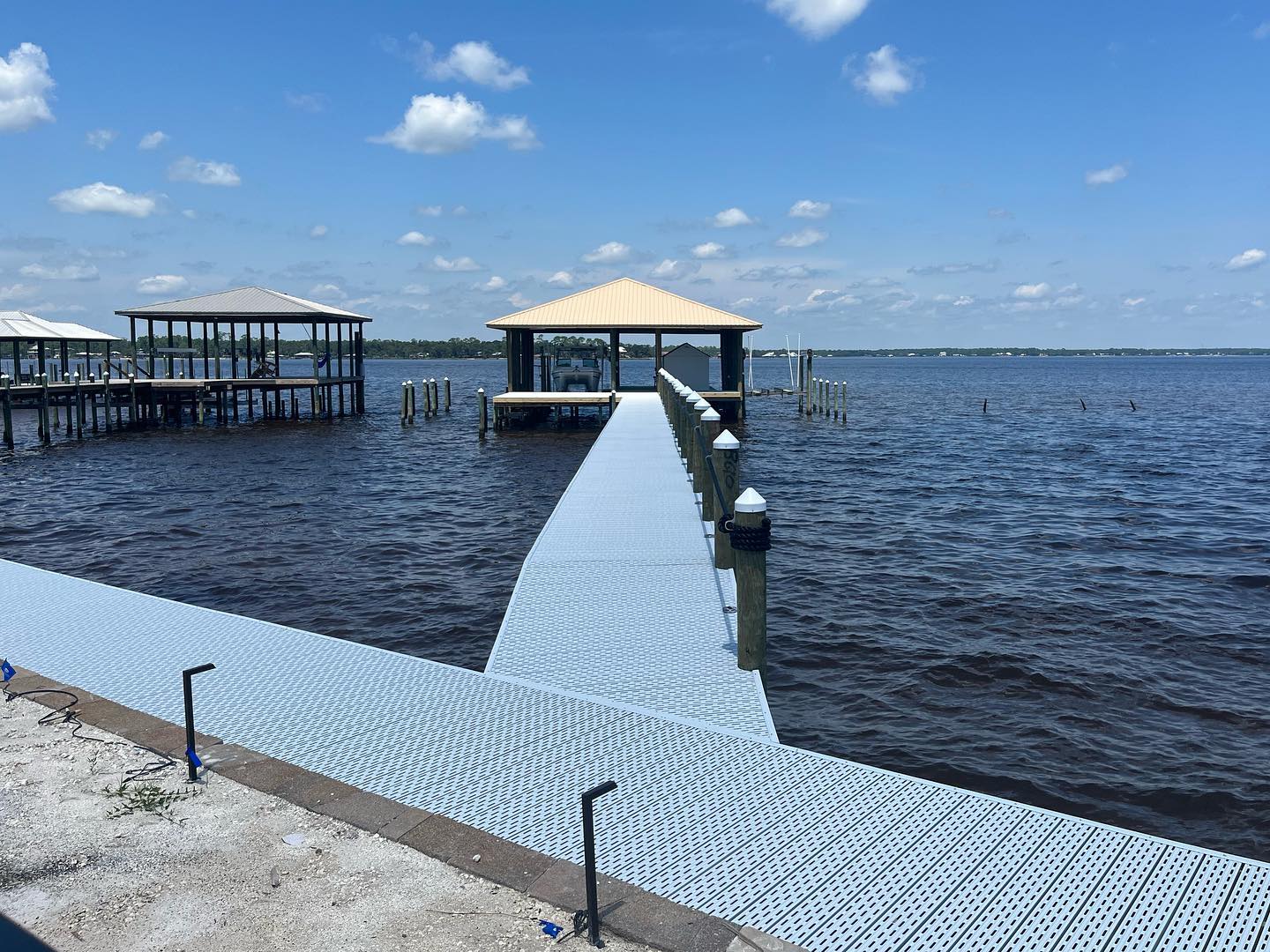
Pilings are long, column-like structures driven deep into the ground beneath a dock, pier, or seawall. They act as the structural support, transferring the weight of the structure to the soil or bedrock below. Depending on the water depth, soil conditions, and expected loads, pilings may extend several feet or even dozens of feet below the waterline. They are essential for ensuring that your waterfront structures remain safe, level, and durable in the face of waves, tides, and storms.
Common Materials Used for Pilings
Pilings are available in a variety of materials, each with advantages and considerations.
-
Wood Pilings: Traditional and widely used, especially for smaller docks and piers. Wood is flexible, relatively easy to install, and cost-effective. However, untreated wood is vulnerable to rot, marine borers, and decay, so proper treatment and maintenance are essential.
-
Steel Pilings: Extremely strong and durable, steel pilings are ideal for commercial or high-load structures. They can withstand harsh water conditions and heavy use, but corrosion is a concern, so protective coatings are often necessary.
-
Concrete Pilings: Often pre-cast or cast-in-place, concrete pilings offer exceptional longevity and resistance to rot or marine borers. They are ideal for large docks, seawalls, and piers that must endure high wave energy or heavy use.
-
Composite Pilings: Made from a combination of materials like fiberglass and reinforced polymers, composite pilings are low-maintenance and resistant to corrosion, rot, and marine pests. They are becoming increasingly popular for environmentally conscious projects.
Why Pilings Are Critical for Stability
Pilings provide the vertical support that keeps waterfront structures level and secure. Without them, docks and piers are prone to sagging, shifting, or collapsing. Properly installed pilings distribute weight evenly, resist lateral forces from waves and currents, and help structures withstand storms. For seawalls, pilings reinforce the barrier against erosion, ensuring the shoreline remains intact even under pressure from tides and surges.
Installation Considerations
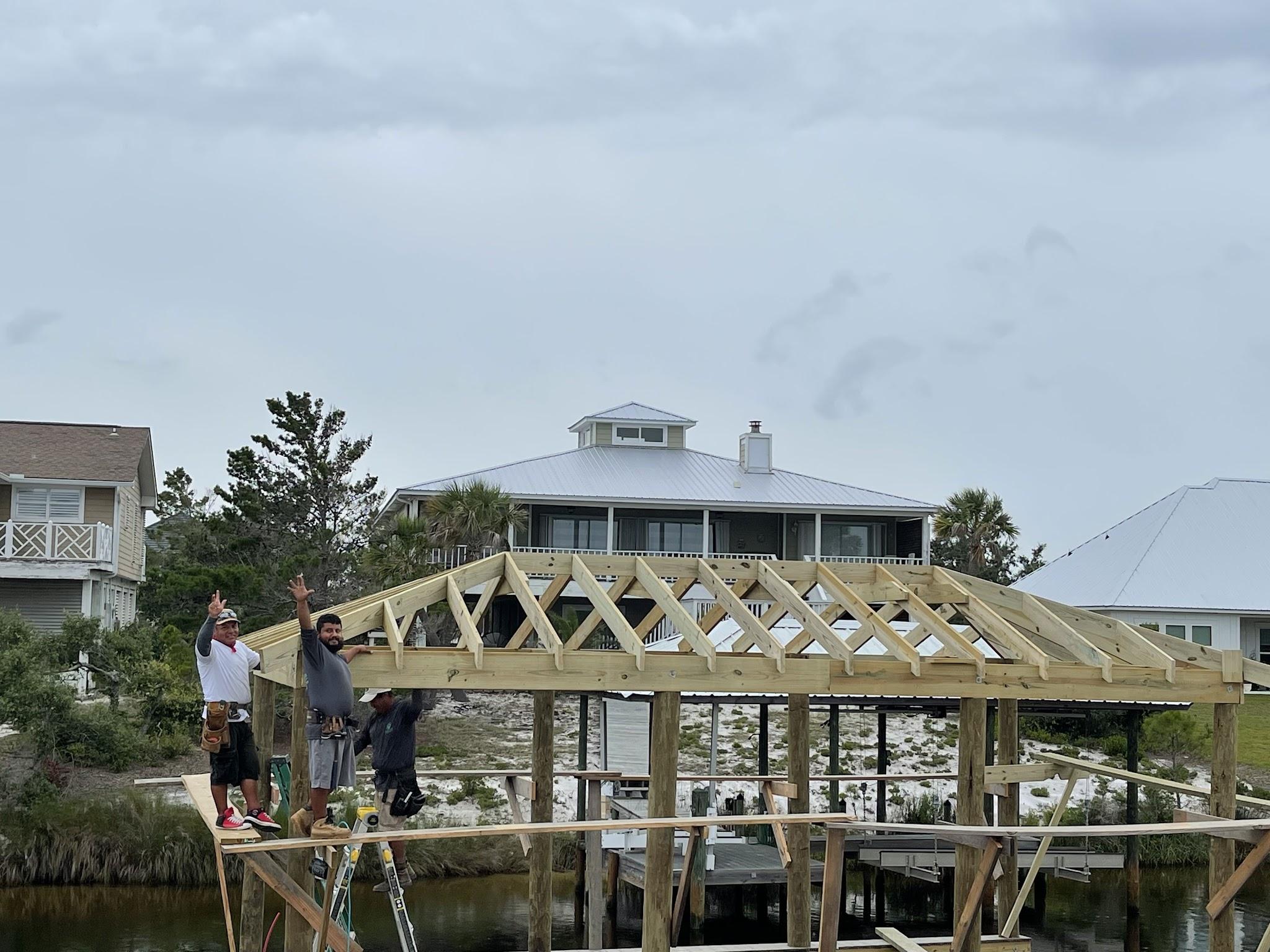
The installation of pilings requires careful planning and expertise. Factors such as water depth, soil composition, tidal range, and wave action must be considered to determine the type, length, and spacing of pilings. Professional marine construction teams use specialized equipment to drive pilings into the seabed, ensuring they are secure and correctly aligned. Improper installation can lead to uneven decks, structural instability, or premature failure, making professional expertise critical.
Maintenance and Longevity
Even the strongest pilings require maintenance to maximize their lifespan. Wooden pilings should be inspected for rot or marine borer damage, steel pilings for corrosion, and concrete pilings for cracking or spalling. Regular inspections, protective coatings, and timely repairs help extend the life of pilings and prevent costly structural failures. Proper care ensures that your dock, pier, or seawall remains safe, functional, and visually appealing for years to come.
Environmental and Regulatory Considerations
Marine construction is subject to strict regulations to protect the environment and local ecosystems. Pilings must often comply with guidelines related to materials, installation methods, and waterway impact. Environmentally responsible construction minimizes disruption to aquatic life and preserves water quality. Working with an experienced marine construction company ensures that your project is both structurally sound and compliant with local regulations.
Investing in Quality Pilings for Long-Term Success
Pilings are more than just structural elements—they are the foundation of your waterfront investment. High-quality materials, proper installation, and ongoing maintenance provide stability, safety, and longevity, protecting both your property and your peace of mind. By prioritizing the role of pilings in construction projects, property owners can enjoy their waterfront lifestyle without worrying about sagging docks, shifting piers, or costly repairs.
Conclusion
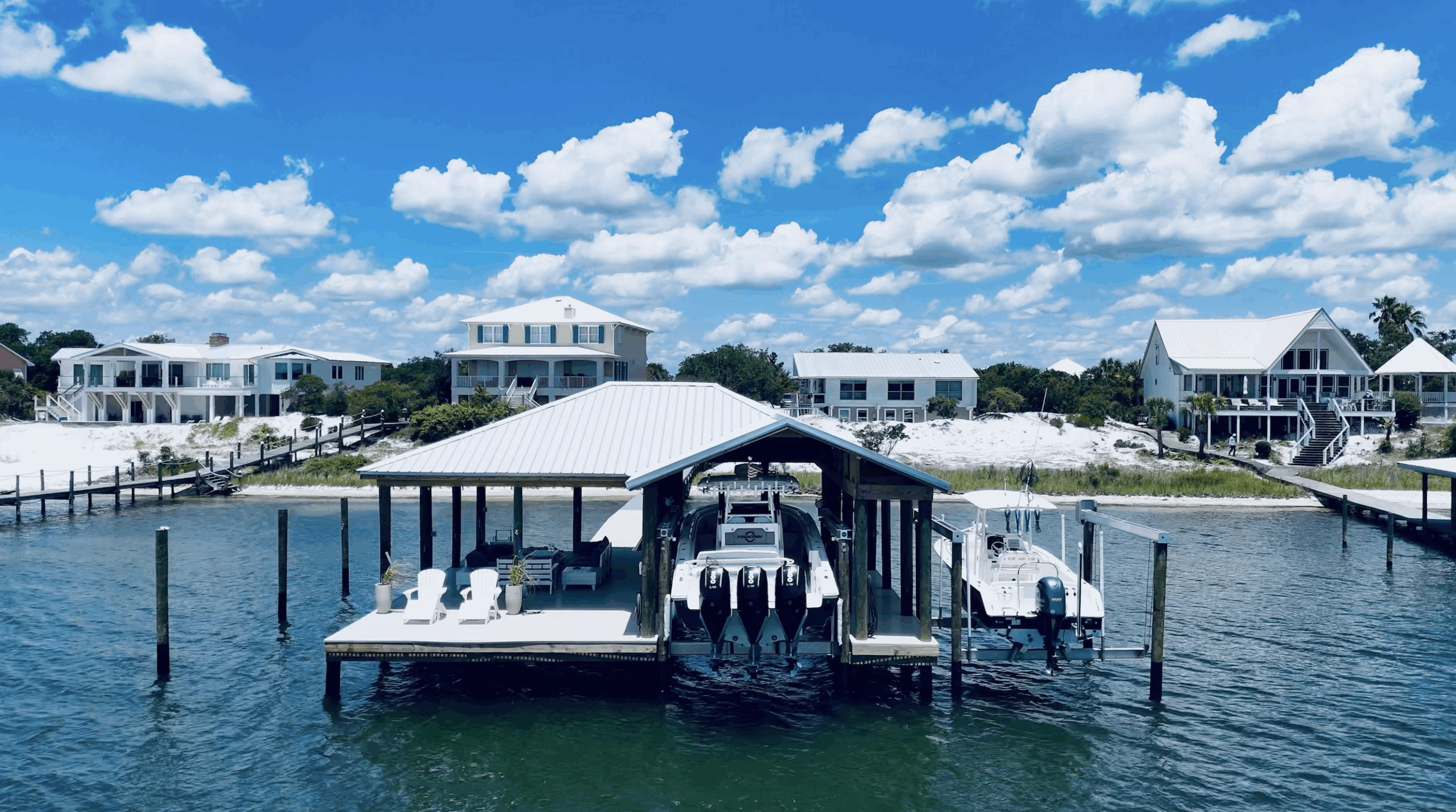
Whether you are building a small personal dock, a commercial pier, or a seawall to protect your shoreline, pilings are the backbone of your project. Understanding their importance, selecting the right materials, and ensuring professional installation are key steps in safeguarding your waterfront property. With proper attention to pilings, your docks, piers, and seawalls will remain strong, safe, and durable, allowing you to enjoy the beauty and functionality of your waterfront investment for decades.