Waterfront living offers unmatched views, direct water access, and a lifestyle many people dream about—but it also comes with ongoing exposure to the elements. One of the biggest long-term concerns for coastal property owners is rising tides. Whether caused by gradual sea level changes, storm activity, or natural shoreline movement, these conditions can slowly impact the stability, safety, and value of waterfront properties.
Protecting your shoreline isn’t about reacting after damage occurs—it’s about planning ahead, building smart, and maintaining your property with long-term resilience in mind.
Why Rising Tides Are a Growing Concern
Rising tides are not just an occasional coastal inconvenience. Over time, even small changes in water levels can create significant issues for waterfront properties. Increased wave action, stronger storm surges, and ongoing erosion can weaken shorelines, damage protective structures, and threaten landscaping and foundations.
Many property owners don’t notice the impact immediately. Instead, changes happen gradually—soil washes away, docks begin to shift, and seawalls show signs of stress. By the time the damage becomes obvious, repairs are often more extensive and expensive than expected.
Understanding that coastal environments are constantly changing is key to protecting your investment before issues escalate.
Strengthening the Shoreline with Engineered Protection
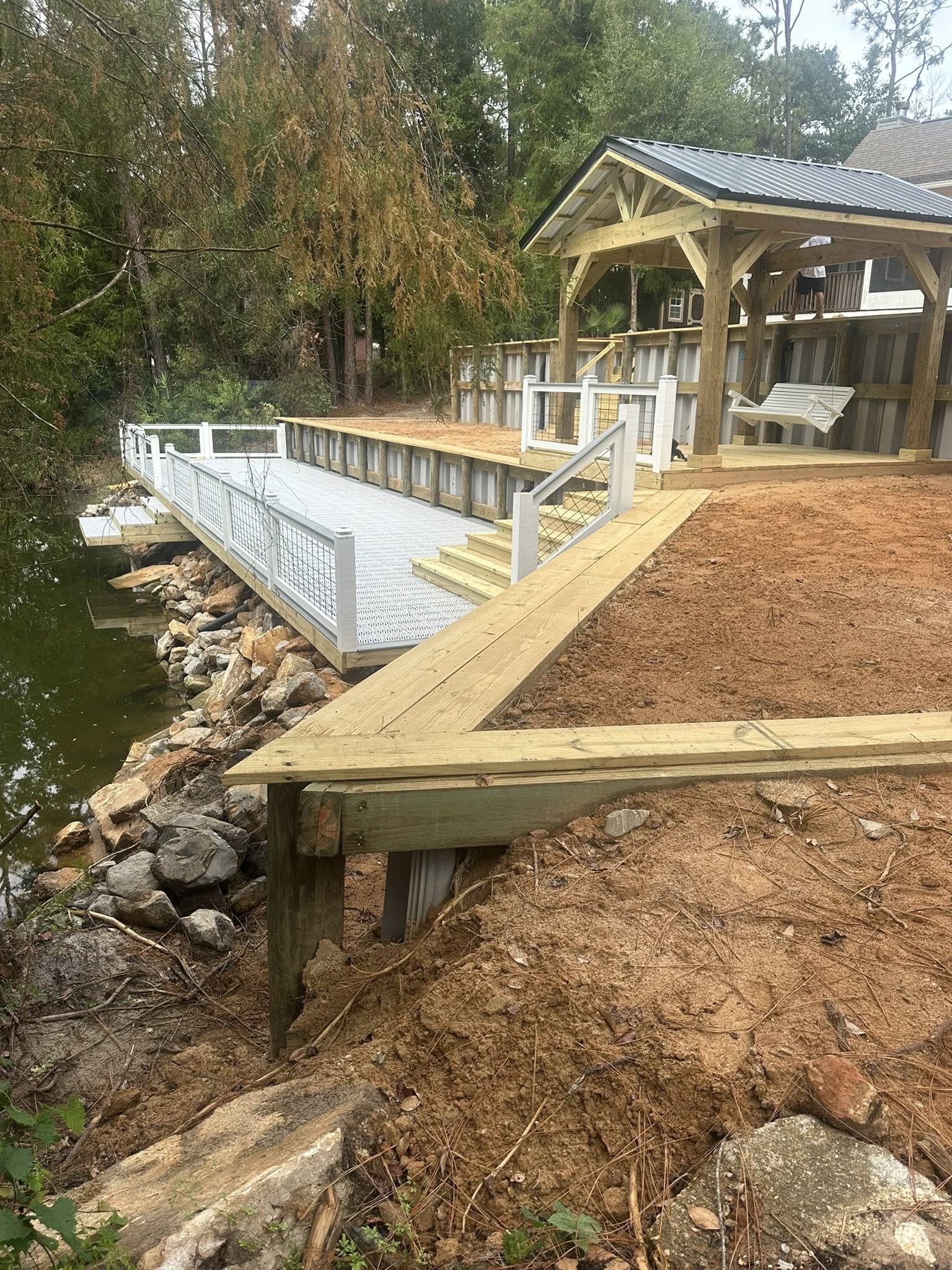
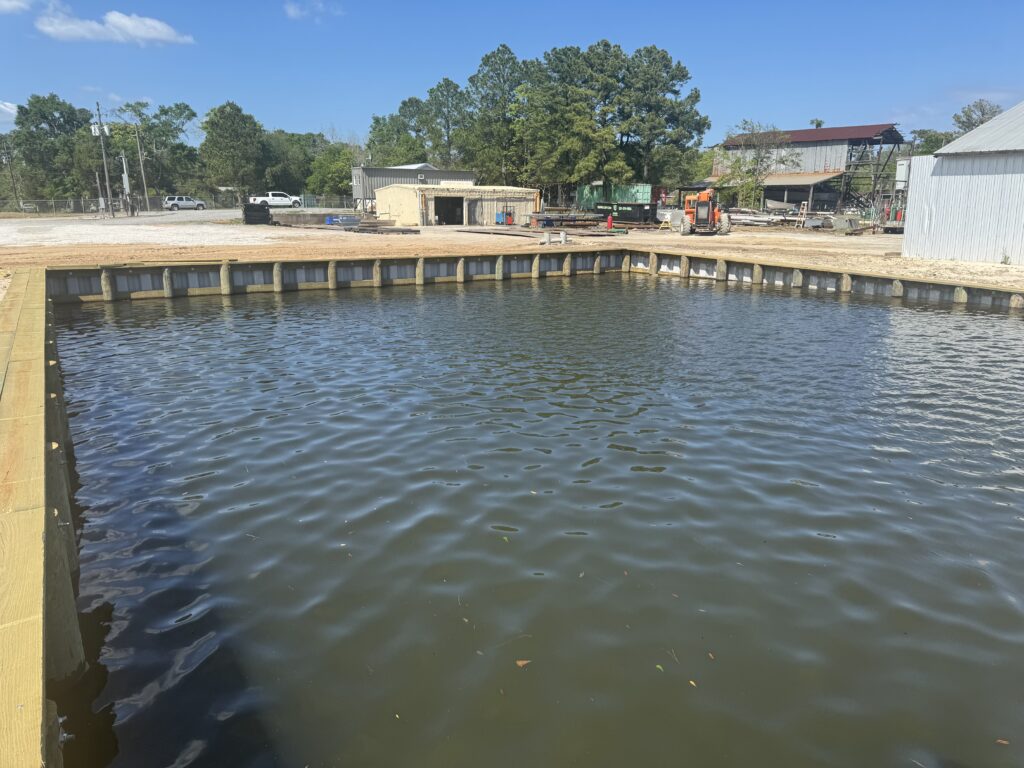
One of the most reliable ways to defend against rising tides is through properly designed marine construction. Structures like seawalls, bulkheads, and reinforced retaining systems serve as critical barriers between your property and the water.
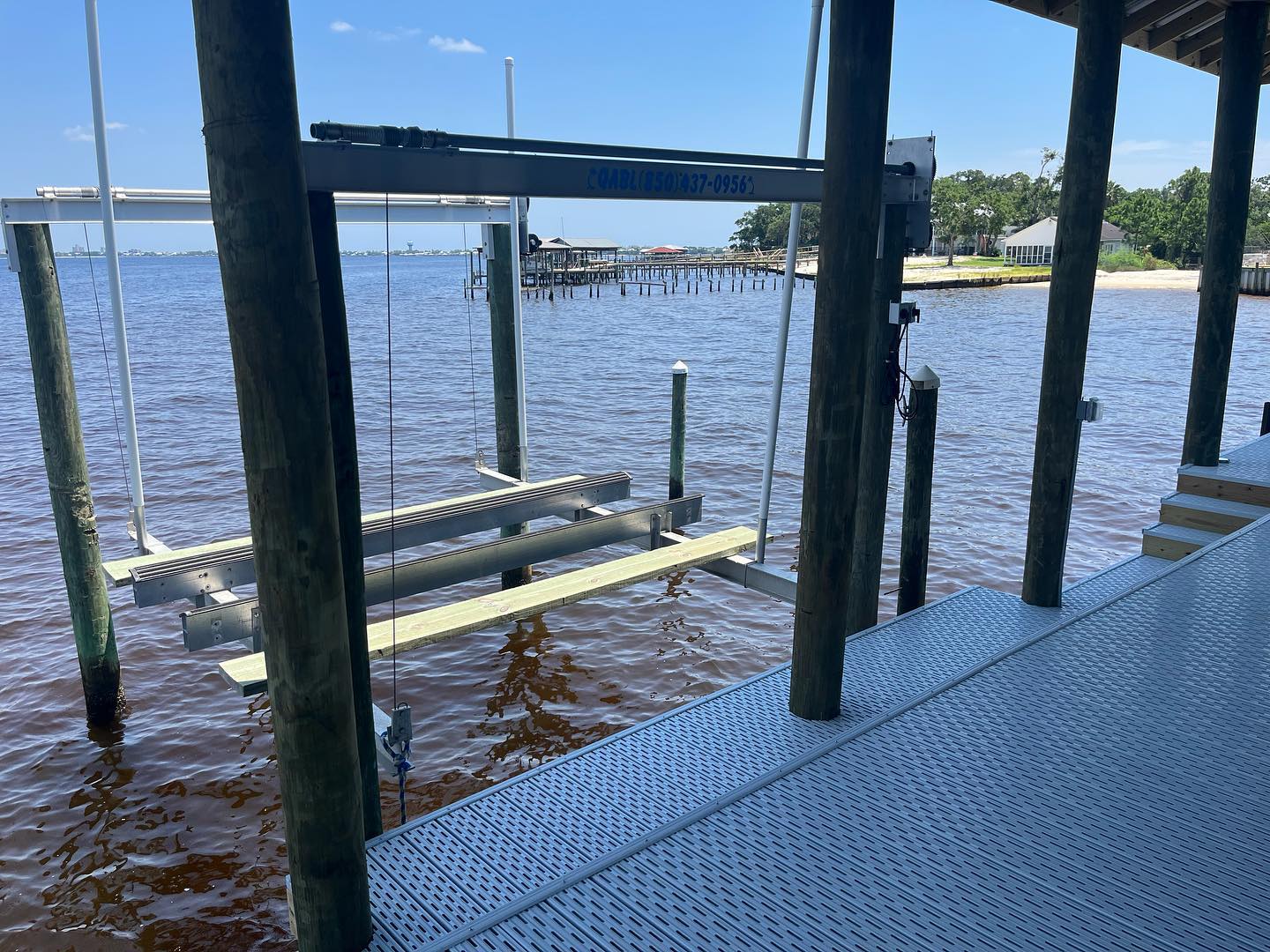
When engineered correctly, these systems absorb wave energy, reduce erosion, and help stabilize the shoreline over time. The materials used—such as reinforced concrete, marine-grade steel, and treated structural components—are specifically chosen to withstand constant exposure to water, salt, and shifting conditions.
Equally important is proper installation. Even high-quality materials will fail if they are not built to the correct specifications for the site. Soil conditions, water depth, and wave exposure all play a role in how effective a shoreline protection system will be.
Blending Natural Protection with Hard Structures
While engineered solutions are essential, they are often most effective when paired with natural shoreline protection. In many coastal environments, a combination of both approaches creates the strongest long-term defense.
Vegetation plays a major role in stabilizing soil and reducing erosion. Native plants with deep root systems help hold shoreline materials in place while also absorbing excess water. In some areas, natural buffers such as rock barriers or oyster reef systems can help break wave energy before it reaches the shoreline.
This balance between structural protection and natural stabilization not only improves durability but also helps preserve the coastal environment. It creates a shoreline that is both functional and environmentally responsible.
The Importance of Ongoing Maintenance
Even the best-built waterfront protection systems require attention over time. Coastal conditions are constantly changing, and regular maintenance is what keeps your investment performing as intended.
Routine inspections of seawalls, docks, pilings, and shoreline edges can help identify early signs of wear such as cracking, shifting, or erosion. Addressing small issues quickly can prevent much larger structural problems later on.
Debris removal, minor repairs, and reinforcement work all play a role in extending the lifespan of your waterfront improvements. Consistent upkeep ensures that your property remains protected year after year, even as environmental conditions evolve.
Planning for Long-Term Coastal Conditions
Protecting a waterfront property is not a one-time project—it’s an ongoing strategy. As coastal conditions continue to change, property owners benefit from working with professionals who understand marine environments and shoreline behavior.
Long-term planning may include evaluating elevation levels, reinforcing existing structures, or upgrading older seawalls to meet current standards. It may also involve rethinking how land and water interact on your property to improve drainage and reduce exposure to wave impact.
The goal is not just to respond to today’s conditions, but to anticipate future ones. A well-planned shoreline protection strategy adds lasting value to your property while reducing risk over time.
Preserving Value While Protecting the Shoreline
A properly protected waterfront property does more than reduce damage—it also helps preserve long-term property value. Buyers in coastal markets pay close attention to shoreline stability, structural integrity, and maintenance history.
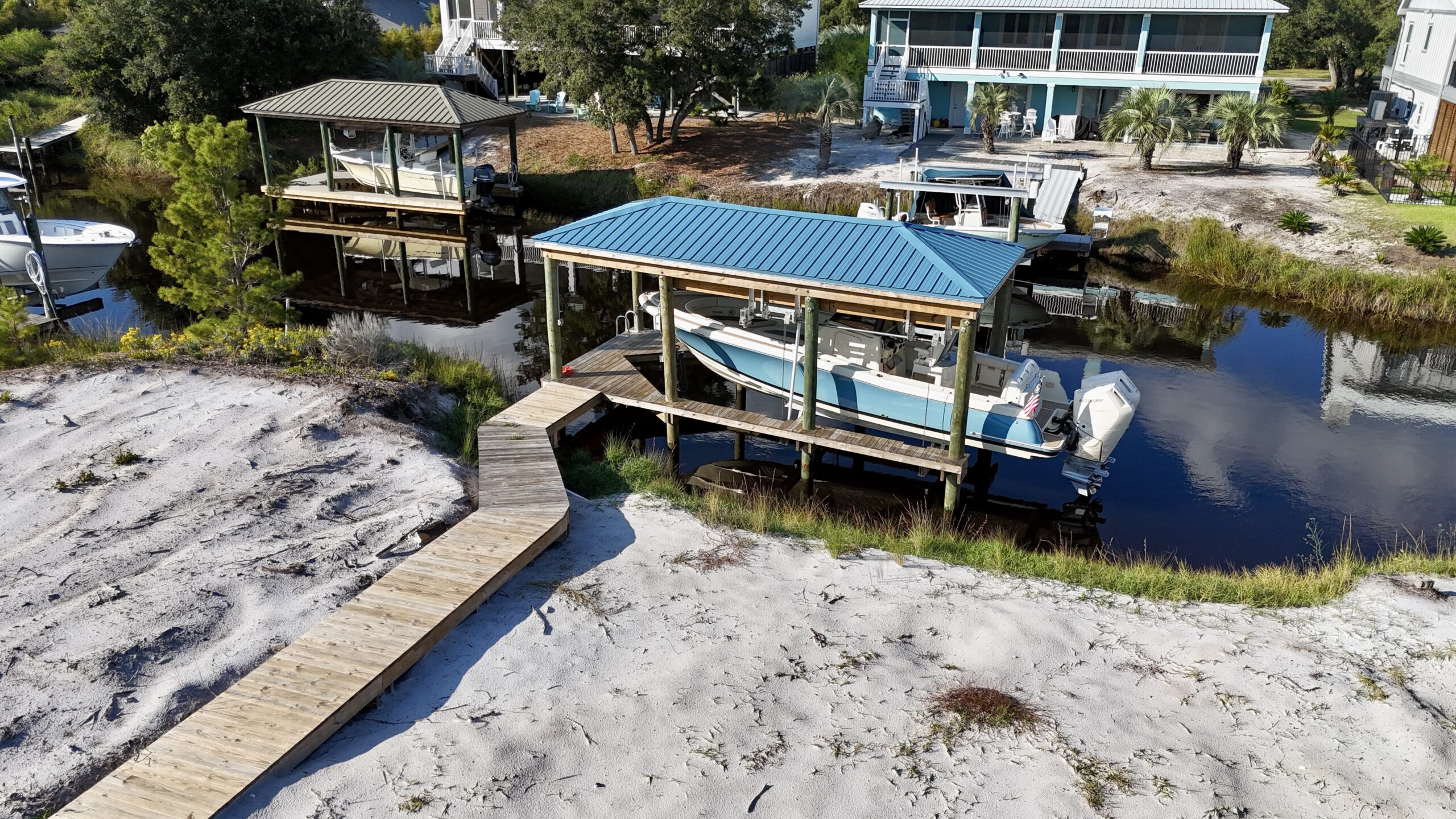
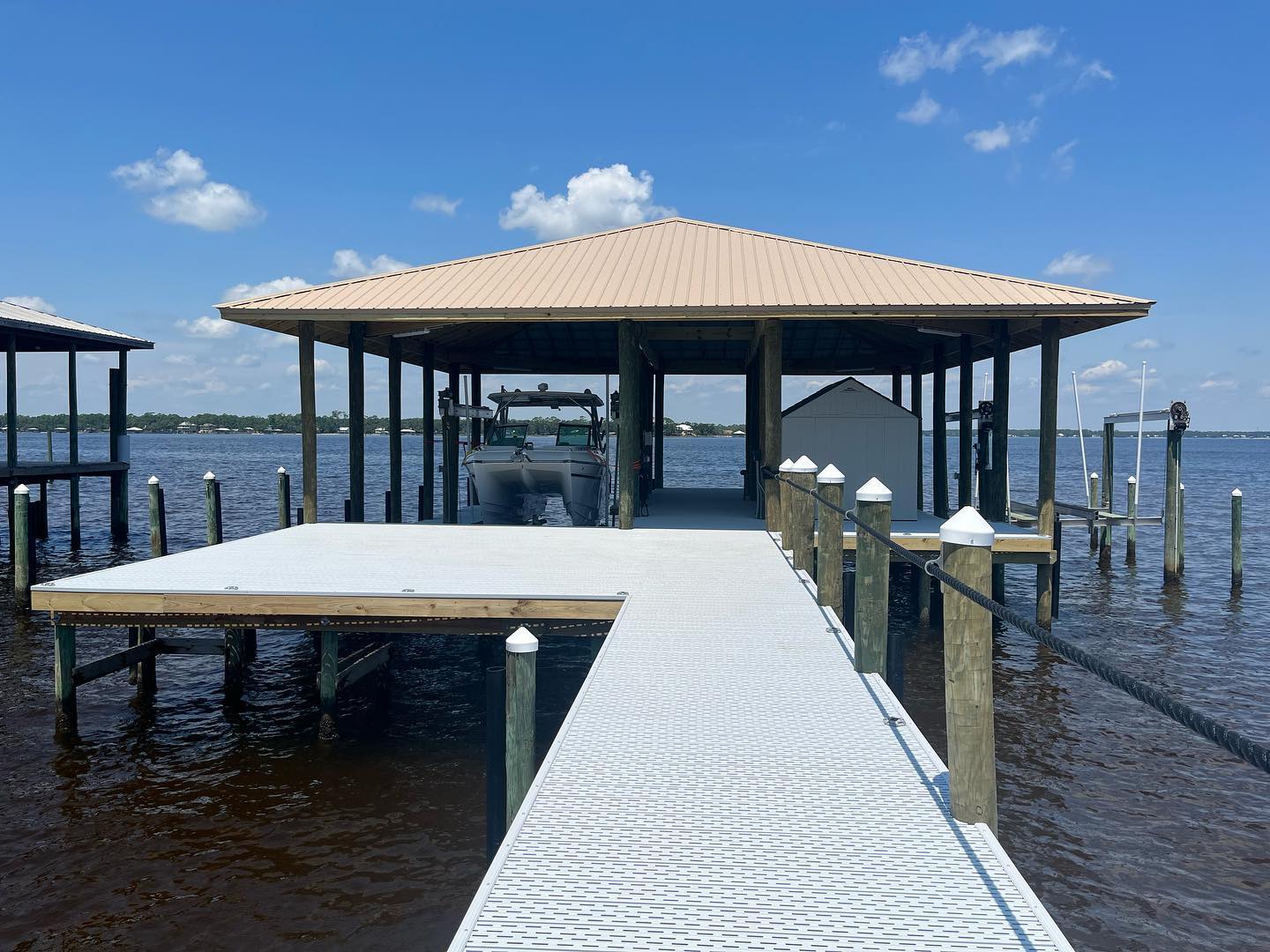
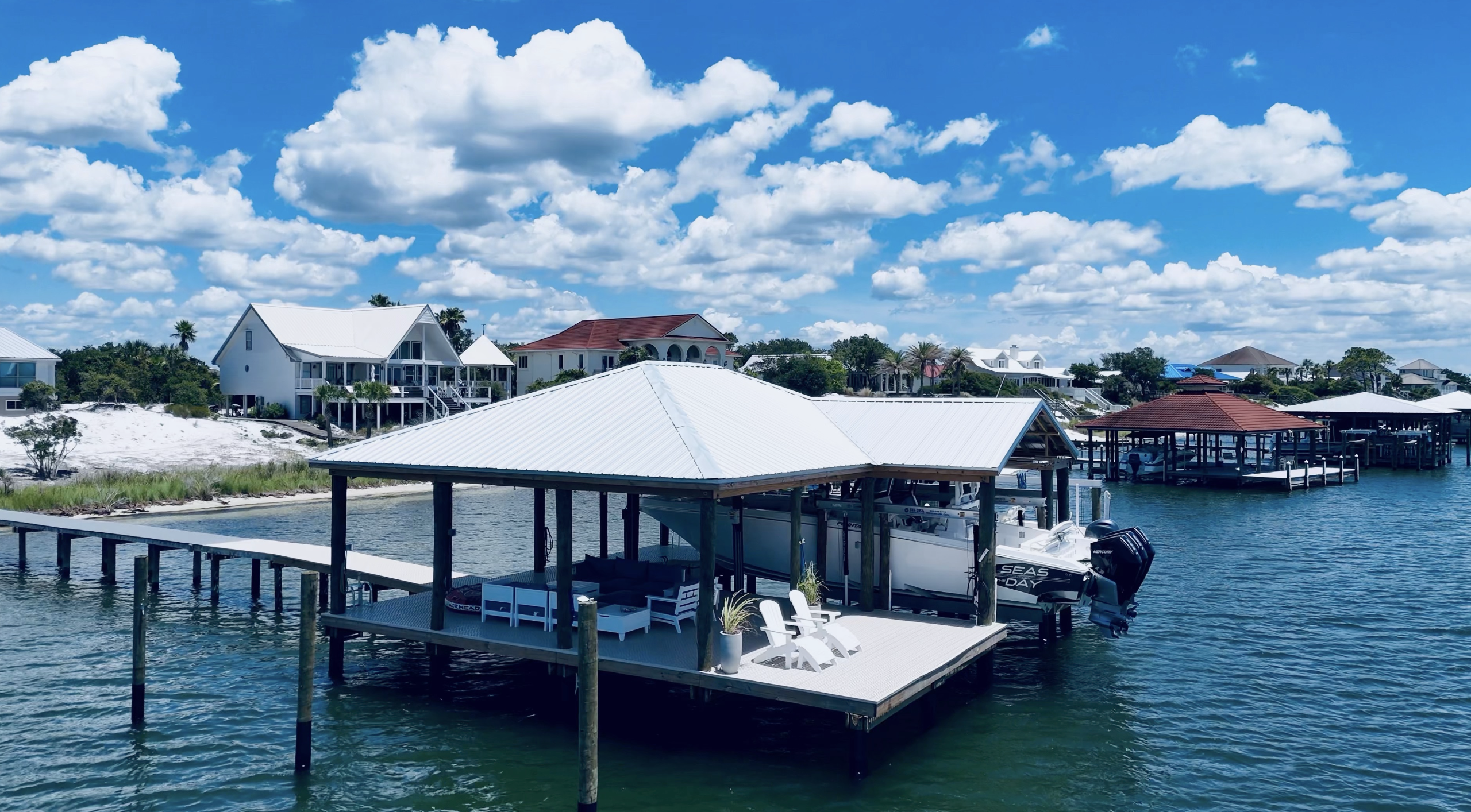
A strong seawall, well-maintained dock system, and stable shoreline can all contribute to a more desirable and valuable property. On the other hand, visible erosion or failing structures can significantly impact market appeal.
Investing in protection today is also an investment in future resale potential.
Building with Confidence on the Coast
Living on the water should feel secure, not uncertain. With the right combination of engineered protection, natural stabilization, and consistent maintenance, waterfront properties can remain strong and functional for years to come.
Rising tides are a reality of coastal living, but they don’t have to threaten your investment. With the right approach, your shoreline can be both beautiful and resilient.
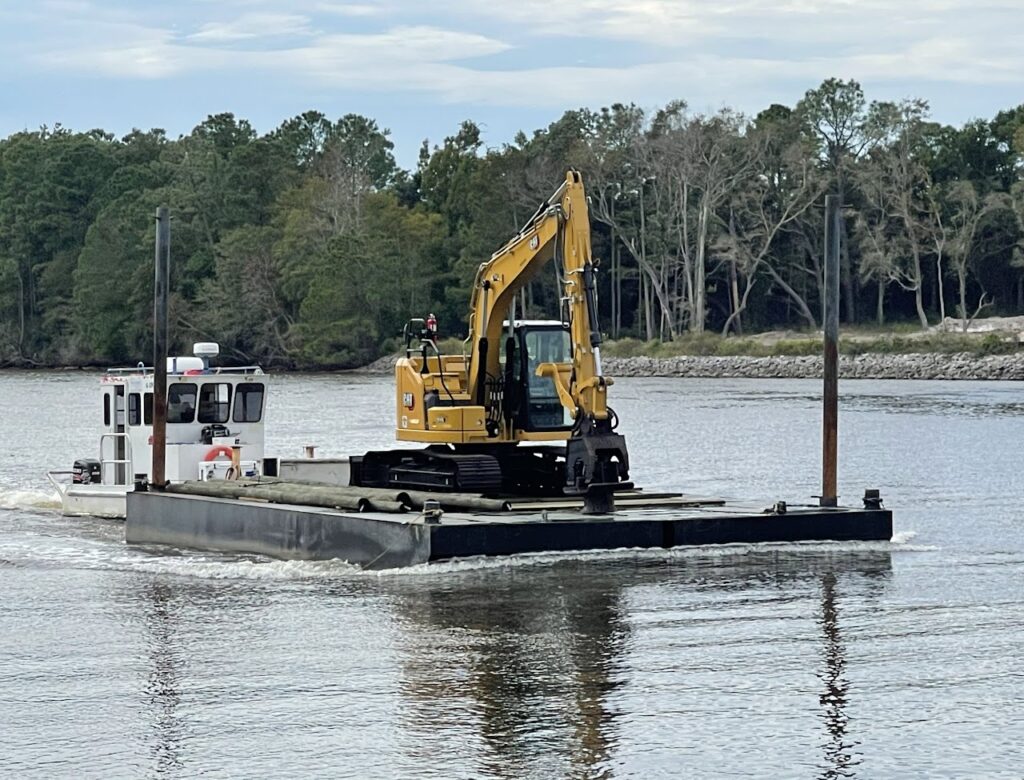
📞 GCLM Construction specializes in marine construction and shoreline protection designed for long-term coastal conditions. From seawalls to custom waterfront solutions, we help property owners build with confidence along the water.