Marine construction is one of those fields that most people see every day without fully realizing the engineering and planning behind it. From docks and seawalls to boat lifts, marinas, and shoreline stabilization projects, marine construction plays a critical role in protecting coastal properties and making waterfront living functional and safe. Along the Gulf Coast, where water and land constantly interact, this type of construction is not just about convenience—it is about long-term durability and protection.
Unlike traditional construction on dry land, marine projects must account for constantly changing conditions. Tides, currents, storm surge, soil erosion, and saltwater exposure all create challenges that require specialized materials, engineering methods, and installation techniques. Every project begins with understanding how the water behaves in that specific location and how the structure will need to perform over time.
Why Marine Construction Requires Specialized Expertise
Building near or over water is significantly more complex than building on land. The environment is dynamic, meaning conditions can change daily, seasonally, and during severe weather events. Because of this, marine construction requires a different level of planning and expertise compared to standard residential or commercial construction.
Materials used in marine environments must withstand constant moisture, corrosion, and pressure. This often includes treated timber, reinforced concrete, marine-grade metals, and specialized coatings designed to extend the life of the structure. Even the smallest components, such as fasteners and anchors, must be selected carefully to ensure long-term stability.
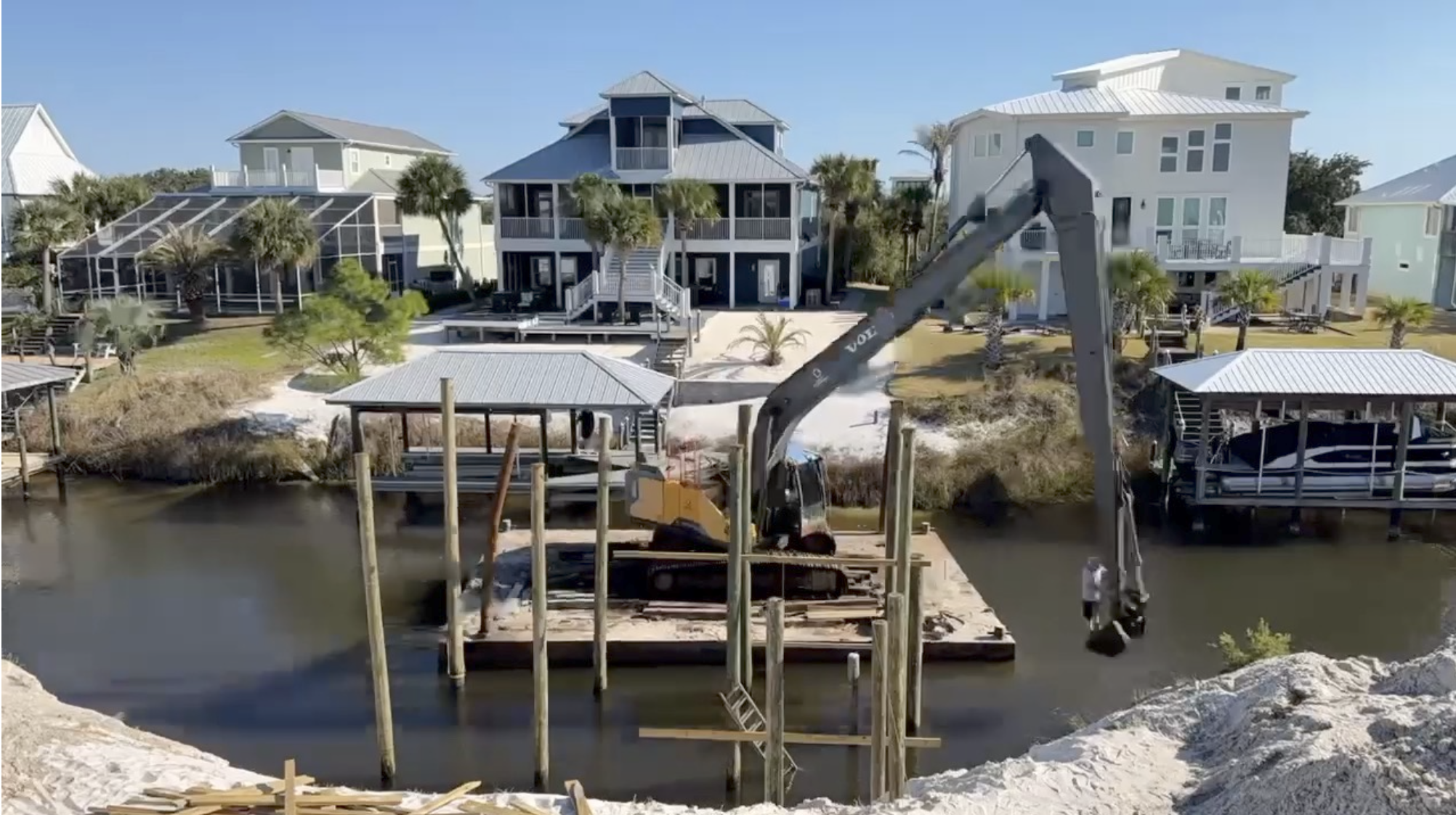
Equally important is the method of installation. Many marine construction projects require heavy equipment designed to operate in shallow water or unstable terrain. Pile driving, dredging, and underwater grading are common processes used to create a stable foundation in environments where traditional excavation is not possible.
Common Types of Marine Construction Projects
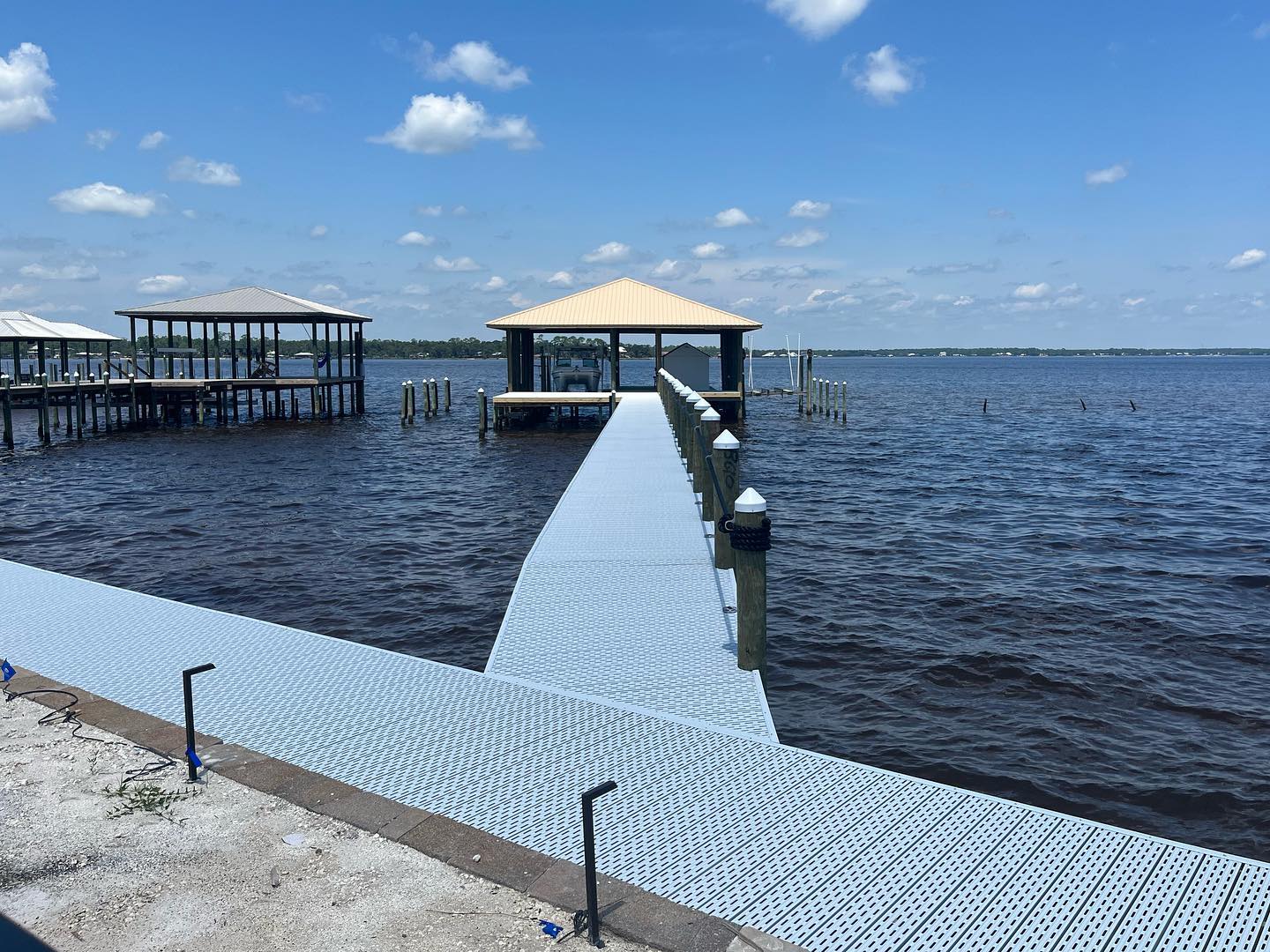
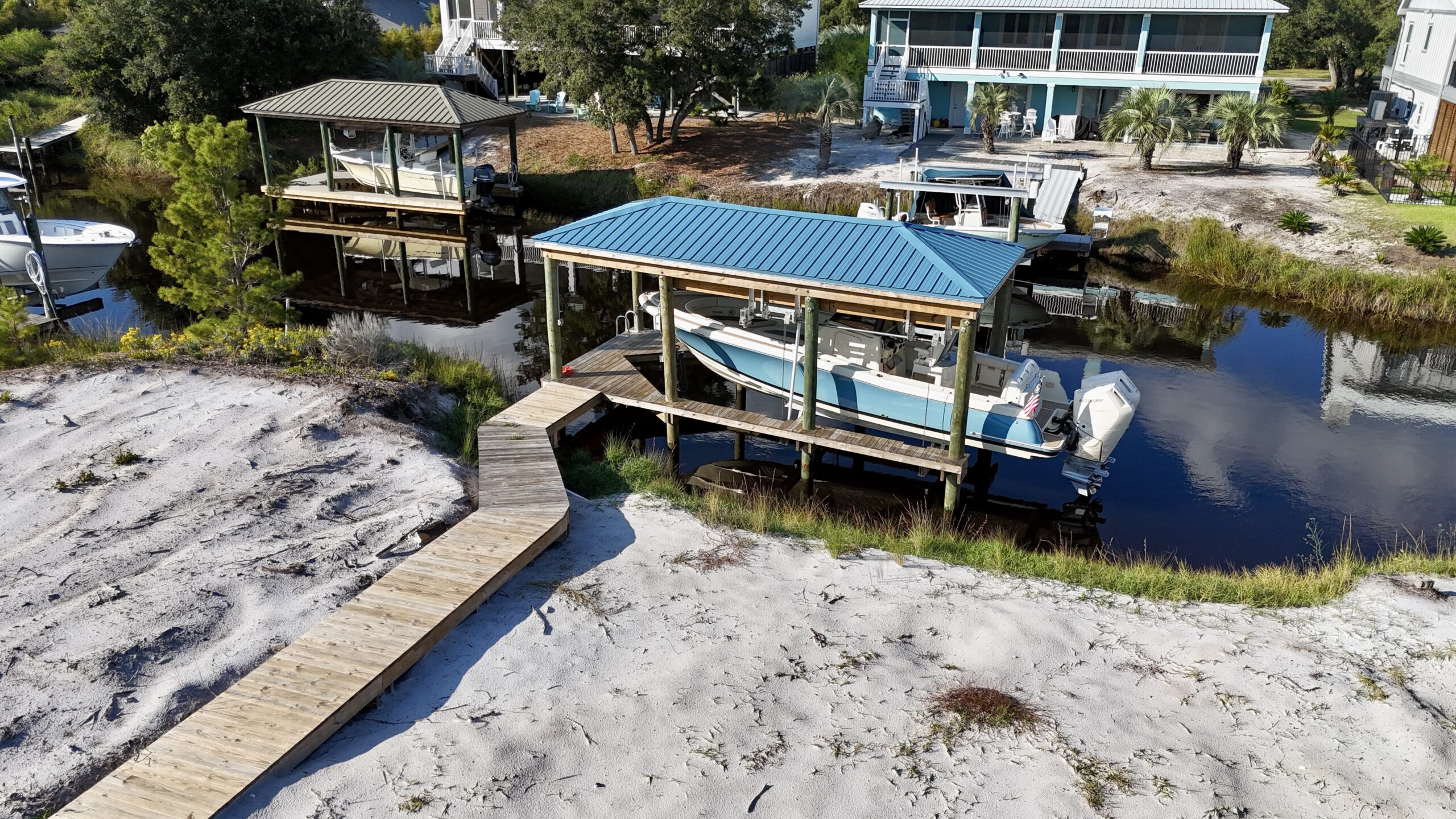
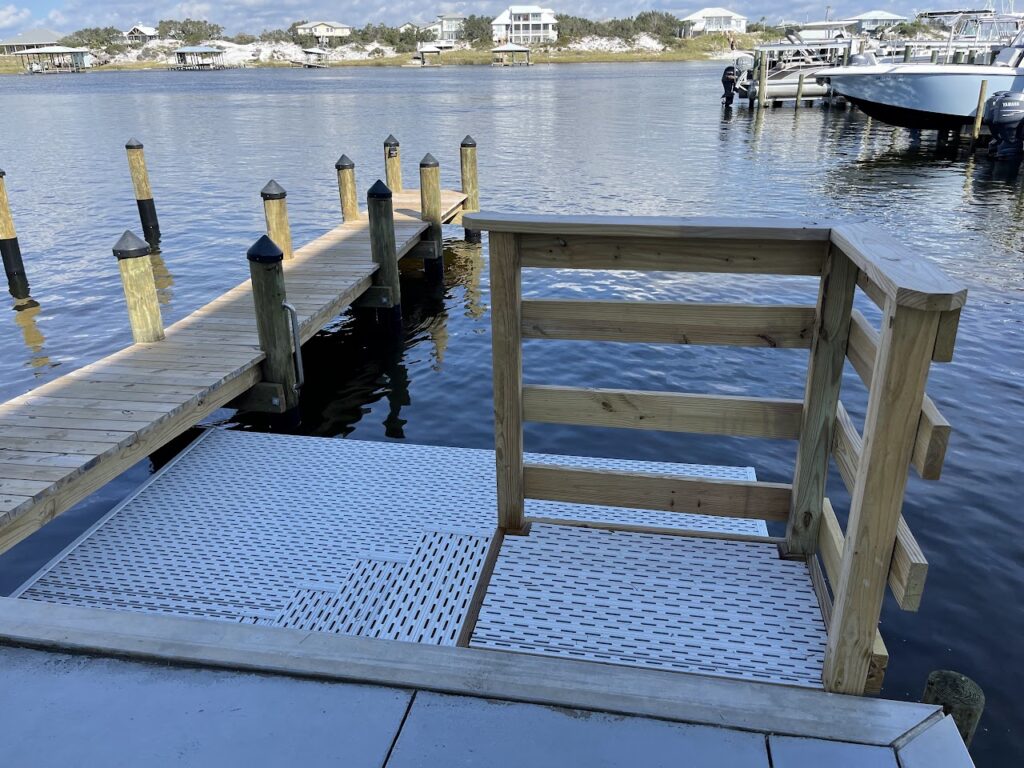
Marine construction covers a wide range of structures and services, each designed to meet specific needs along the water. Residential waterfront properties often require docks, piers, boat lifts, and seawalls to make access to the water safe and practical. These structures not only enhance usability but also help protect the shoreline from erosion over time.
Marinas and commercial waterfront developments take these concepts further, requiring larger-scale infrastructure to support multiple vessels, pedestrian access, fueling stations, and utilities. These projects demand careful coordination and long-term planning to ensure they remain functional under heavy use and changing environmental conditions.
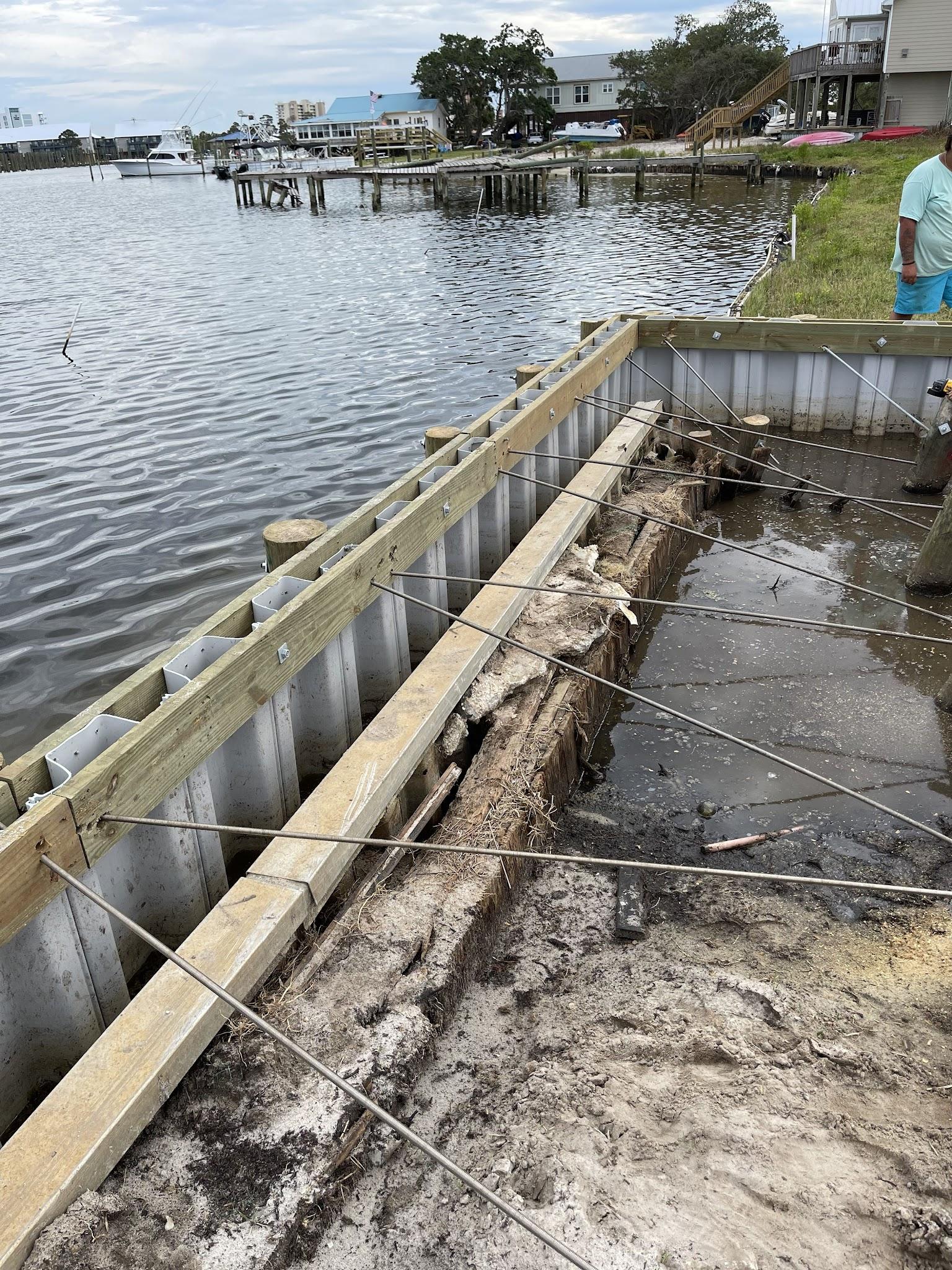
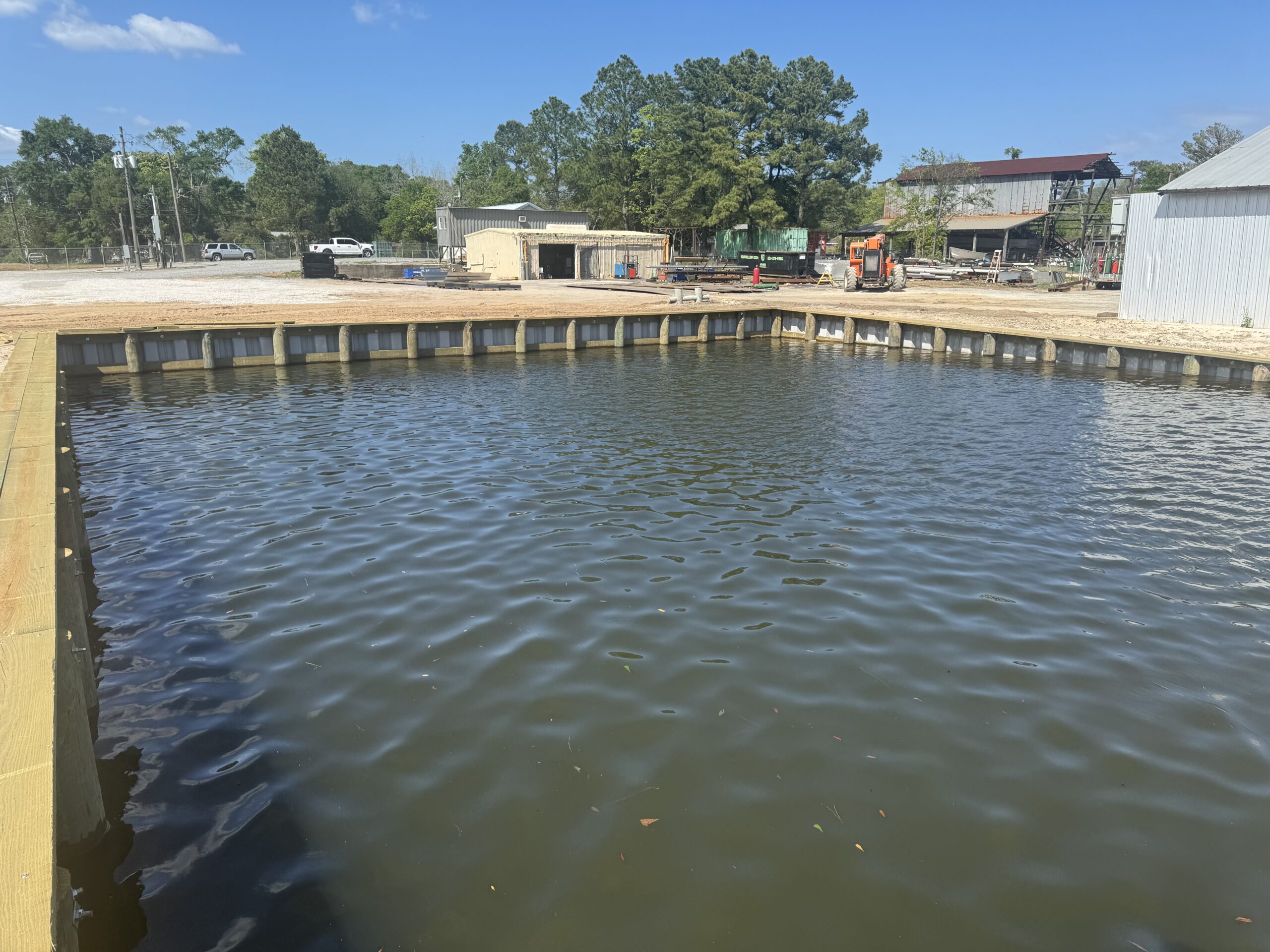
Shoreline stabilization is another major component of marine construction. Erosion is a constant concern along bays, rivers, and coastal areas, and without proper reinforcement, land can gradually wash away. Solutions such as seawalls, bulkheads, riprap, and living shoreline systems are designed to protect property while maintaining as much of the natural environment as possible.
The Role of Environmental Conditions in Design
One of the most important factors in marine construction is the environment itself. Unlike inland projects, coastal and waterfront structures are directly exposed to natural forces that can accelerate wear and impact stability. Wind, wave action, saltwater exposure, and shifting soils all influence how a structure must be designed.
Storm events are a particularly important consideration along the Gulf Coast. Hurricanes and tropical systems can produce significant storm surge and wave energy, placing extreme pressure on waterfront structures. Because of this, marine construction must be engineered with resilience in mind, often going beyond minimum requirements to ensure long-term performance.
Soil conditions also play a major role. Waterfront soil is often softer and less stable than inland ground, which is why deep pilings are commonly used to anchor structures into more stable layers below the surface. This creates a foundation capable of supporting heavy loads and resisting movement over time.
Maintenance and Long-Term Performance
Even the best-built marine structures require ongoing maintenance. Constant exposure to water and weather means that regular inspections and upkeep are essential to preserving structural integrity. Over time, components may need reinforcement, replacement, or adjustment to account for natural shifting or wear.
Wood structures may require sealing or replacement of boards, while metal components may need corrosion protection or hardware updates. Seawalls and bulkheads should be monitored for signs of movement, erosion, or pressure buildup behind the structure. Addressing small issues early can significantly extend the life of the entire system.
The Value of Professional Marine Construction
Investing in professional marine construction is ultimately about protecting both property and lifestyle. A well-designed dock or seawall does more than provide access or structure—it safeguards the shoreline, enhances property value, and ensures safe enjoyment of waterfront living.
Poorly built or improperly designed structures can lead to costly repairs, safety hazards, and long-term environmental damage. That is why experience, engineering knowledge, and proper materials matter so much in this field. When done correctly, marine construction provides lasting stability in an environment that is constantly changing.
The Bottom Line
Marine construction is a specialized field that blends engineering, environmental awareness, and practical design to create structures that function in some of the most challenging conditions. From residential docks to large-scale shoreline protection systems, every project plays a role in shaping and preserving coastal living.
Along the Gulf Coast, where water is both a lifestyle and a constant force, quality marine construction is essential. It ensures that waterfront properties remain accessible, protected, and enjoyable for years to come.