Coastal communities have always lived with the rhythm of the sea. Tides, storms, and shifting sands are part of life by the water, but in recent years the challenge of coastal living has become more urgent. Rising sea levels, stronger storm surges, and changing climate patterns are forcing communities worldwide to reconsider how they protect their coastlines. For the Gulf Coast and other vulnerable areas, this is not a distant possibility but a pressing reality. The question is no longer whether to adapt, but how. At Gulf Coast Land & Marine (GCLM), we believe that innovative engineering solutions provide the key to building a future where communities remain safe, sustainable, and thriving, even in the face of a changing coastline.
The Reality of Rising Seas
Scientific studies confirm what coastal residents have long observed: sea levels are rising at an accelerated rate. The reasons are complex, tied to melting ice caps, thermal expansion of seawater, and regional land subsidence. But the impact is clear. Higher sea levels increase the frequency and severity of flooding, even on sunny days. Storm surges from hurricanes and tropical storms now reach further inland, threatening homes, infrastructure, and entire communities.
For communities along the Gulf Coast, where low-lying land meets warm, storm-prone waters, the stakes are particularly high. Roads, bridges, utilities, ports, and housing developments all face the risk of inundation. Without intervention, the economic, social, and environmental consequences could be staggering. Yet with the right engineering strategies, rising seas do not have to mean retreat. They can instead inspire innovation and resilience.
Engineering as the First Line of Defense
Coastal engineering has always played a role in shaping the shoreline. From seawalls to breakwaters, communities have long relied on infrastructure to protect themselves from the ocean’s power. Today, the challenge is designing solutions that not only withstand current conditions but also anticipate the challenges of the future.
Modern coastal infrastructure must be stronger, smarter, and more adaptive. Traditional hard barriers like seawalls still have a role to play, but they must be integrated with more flexible systems that work with natural processes instead of against them. At GCLM, we design infrastructure that balances protection with sustainability, ensuring that every project supports both human needs and the health of the coastal environment.
Building Resilient Shorelines
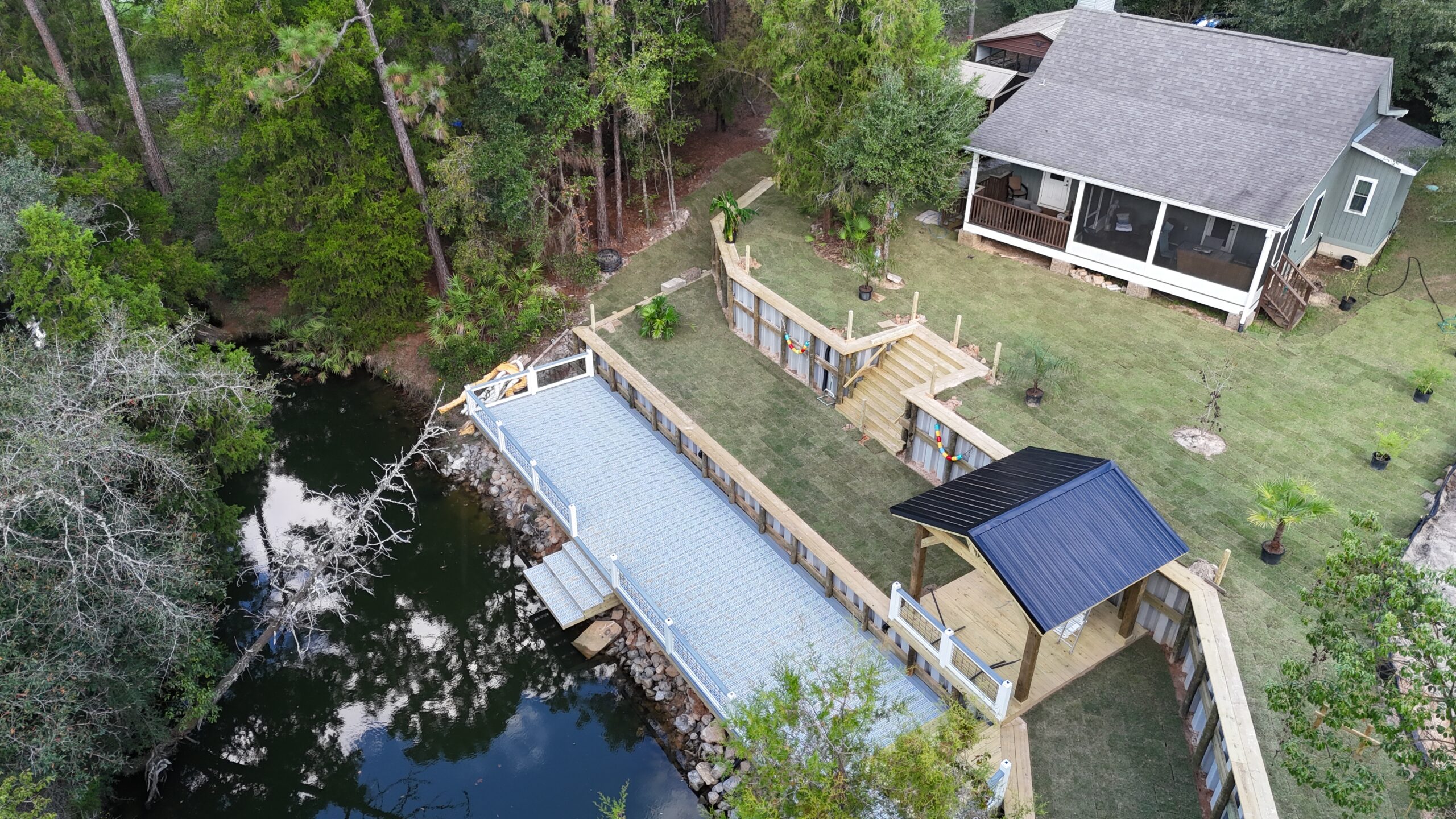
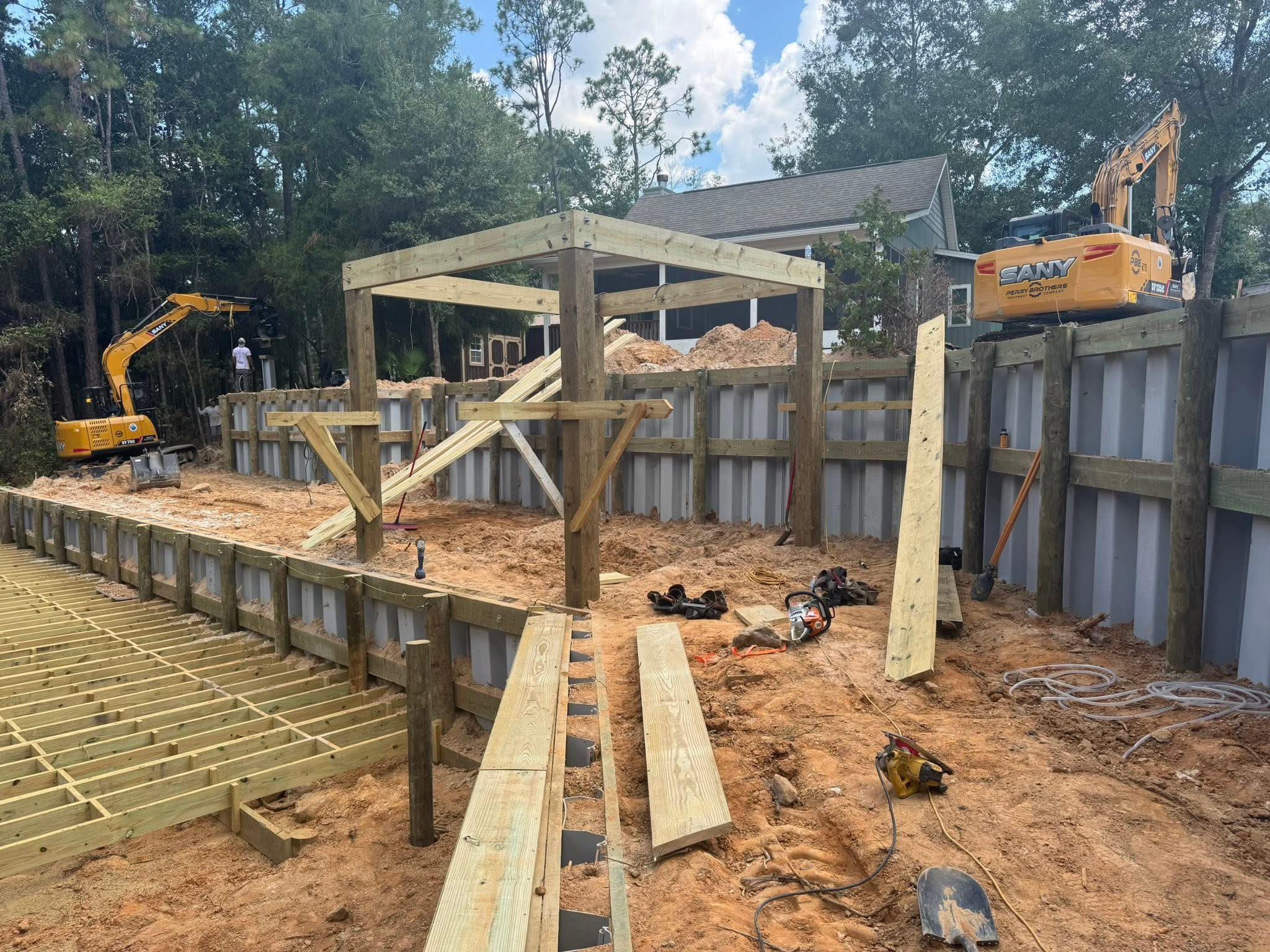
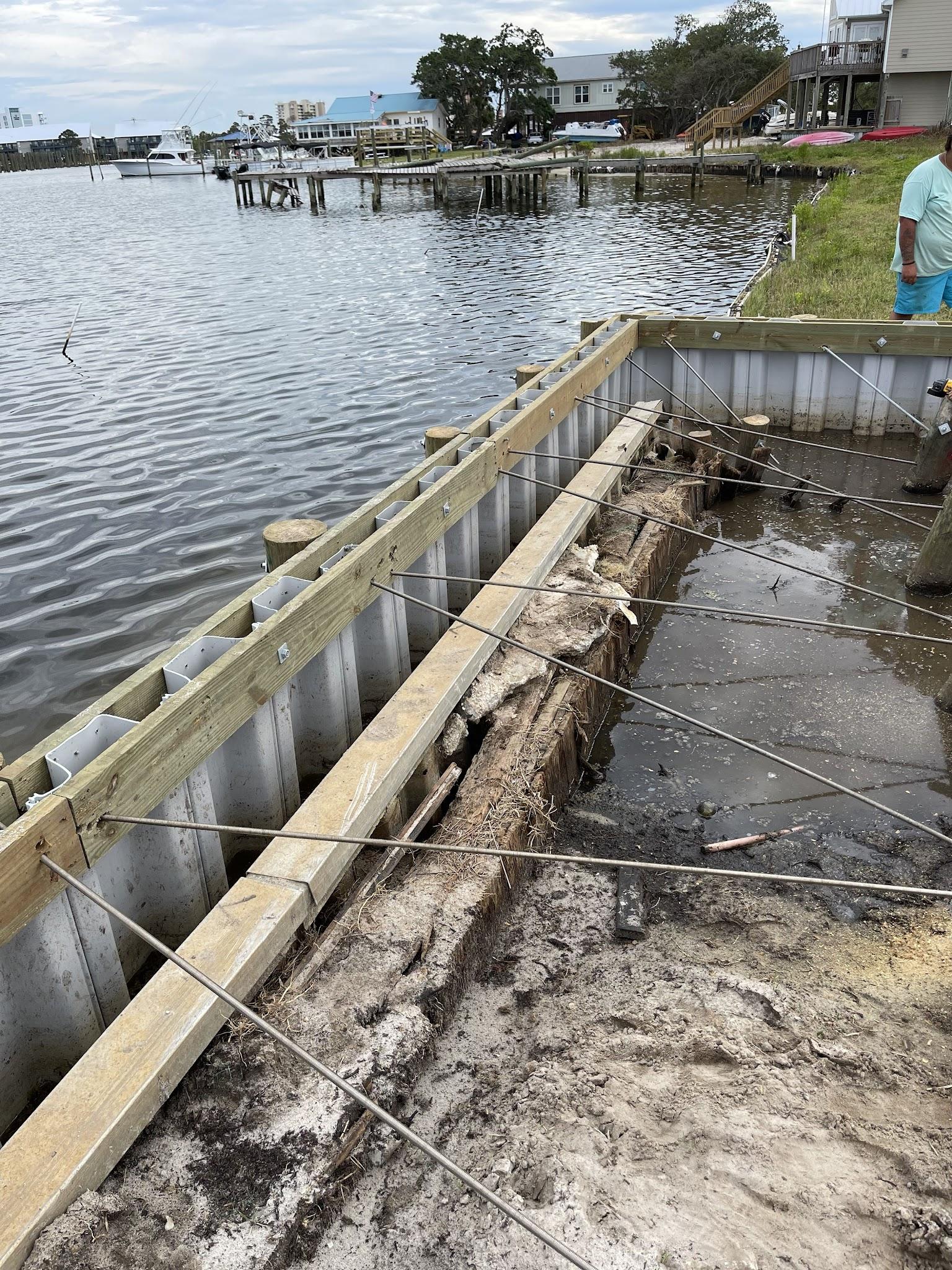
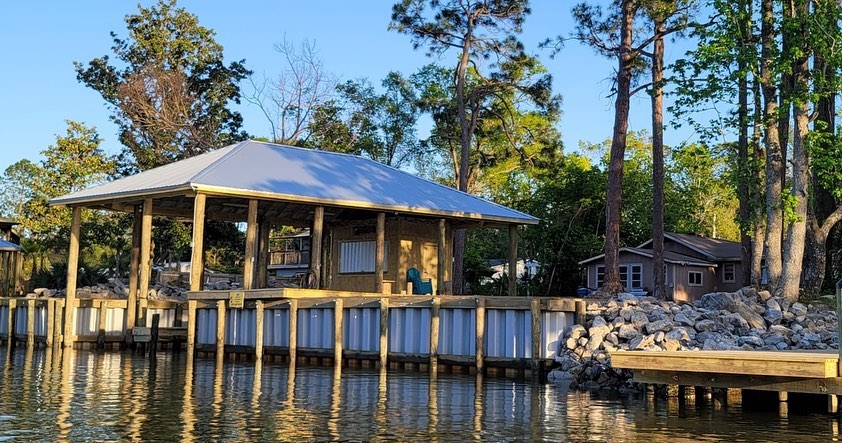
One of the most effective strategies for adapting to rising seas is shoreline stabilization. Erosion, already a natural process, accelerates under the pressure of higher seas and stronger storms. Left unchecked, it can consume valuable land and compromise infrastructure. Engineering solutions such as bulkheads, revetments, and geotextile systems can provide durable protection.
However, the future of shoreline stabilization lies in blending these traditional methods with nature-based approaches. Living shorelines, which incorporate elements like marsh grasses, oyster reefs, and other natural buffers, absorb wave energy while also supporting ecosystems. These approaches not only reduce erosion but also improve water quality and create habitats for marine life. By combining engineering precision with ecological awareness, GCLM helps communities build shorelines that are both strong and sustainable.
Protecting Infrastructure and Communities
Coastal communities rely on critical infrastructure that must remain functional even under changing conditions. Roads, bridges, ports, and utilities are lifelines for economic stability and public safety. As sea levels rise, engineering solutions must focus on elevating, reinforcing, and redesigning these systems to ensure long-term resilience.
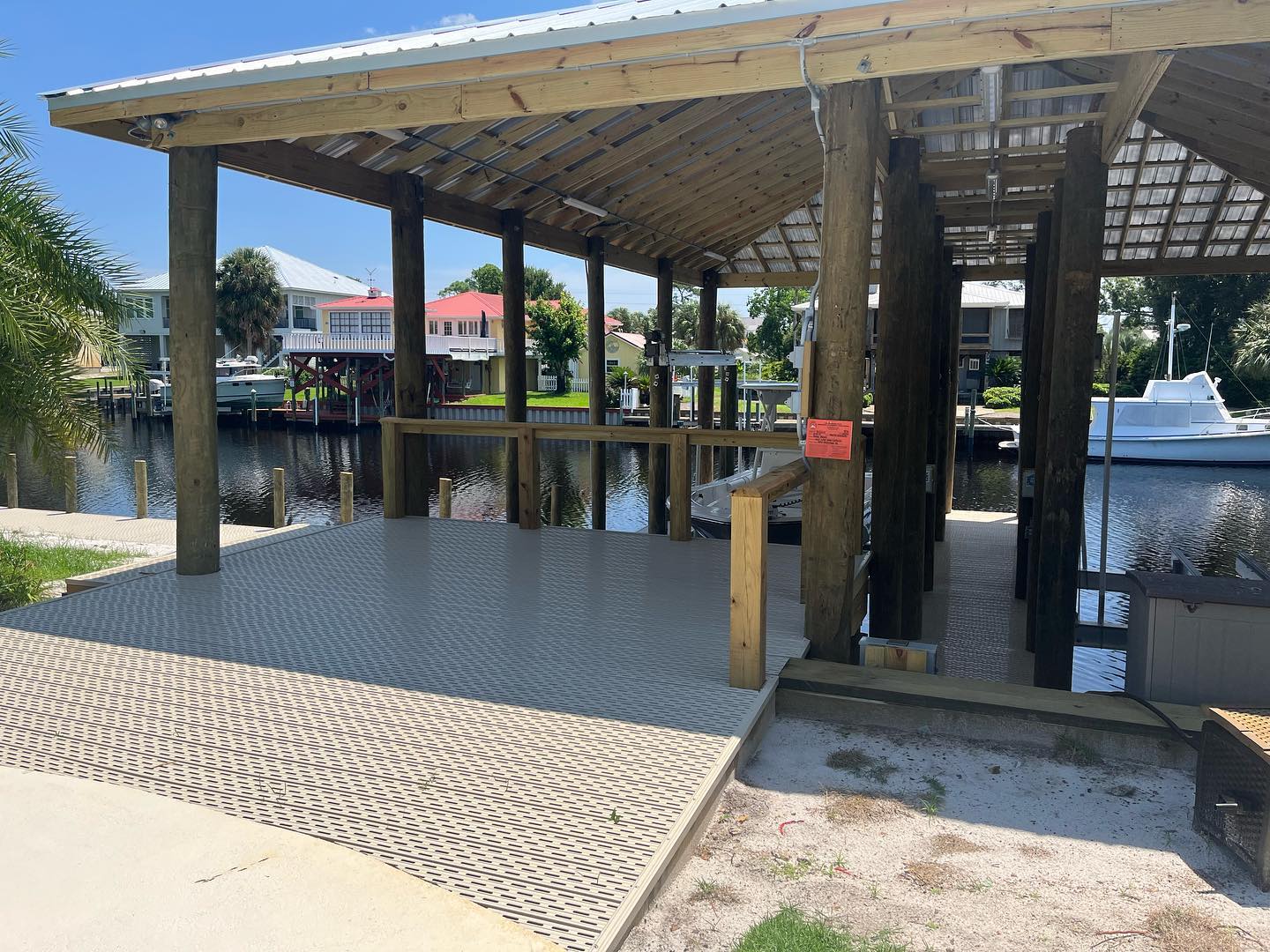
For example, elevated roadways and bridges can keep transportation networks operational during flooding events. Ports can incorporate storm-resistant design features to continue serving as hubs of global trade. Utility systems can be hardened against saltwater intrusion and storm damage. Each of these solutions requires a careful balance of technical expertise, cost-effectiveness, and foresight. At GCLM, we bring together specialists in engineering, design, and operations to ensure that every project not only meets today’s needs but also prepares for tomorrow’s challenges.
The Role of Innovative Technology
Technology is transforming the way coastal engineering responds to rising seas. Advanced modeling tools allow engineers to predict the impact of sea level rise and storm surge with greater accuracy, enabling smarter planning and design. Drones and remote sensing provide real-time data on shoreline changes and erosion, improving monitoring and response strategies.
Materials science is also driving innovation. High-performance concrete, corrosion-resistant metals, and advanced composites are extending the lifespan of marine infrastructure in harsh saltwater environments. Modular and adaptable systems allow for phased construction that can be scaled as conditions change. By embracing technology, GCLM ensures that our solutions are not only effective today but remain adaptable as future conditions evolve.
The Economic Case for Adaptation
Investing in coastal resilience is not just about safety; it is also about economics. Studies consistently show that every dollar spent on disaster mitigation saves multiple dollars in avoided losses. Communities that invest in resilient infrastructure protect property values, reduce insurance costs, and safeguard their economic future.
For regions dependent on tourism, fishing, or shipping, resilient coastlines are critical to sustaining livelihoods. Ports and harbors that remain operational during and after storms keep supply chains moving. Beaches and waterfronts that are preserved through engineering and ecological solutions continue to attract visitors. At GCLM, we recognize that resilient infrastructure is also smart economic strategy, protecting both lives and livelihoods.
Collaboration for Coastal Resilience
No single entity can solve the challenge of rising seas alone. True resilience requires collaboration between engineers, policymakers, communities, and environmental experts. Successful projects integrate technical expertise with community input and regulatory compliance. They also require long-term vision, as rising seas demand solutions that will endure for decades.
At GCLM, we pride ourselves on being a collaborative partner. We listen to the concerns of communities, work alongside regulators, and engage with environmental organizations to ensure that our projects deliver well-rounded solutions. By fostering collaboration, we help create infrastructure that reflects not only engineering excellence but also the values and priorities of the communities it serves.
Looking Ahead
As sea levels continue to rise, the urgency of adaptation will only grow. The choices made today will determine whether coastal communities face constant disruption or enjoy long-term resilience. By investing in innovative engineering solutions now, communities can prepare for the challenges of tomorrow while preserving the unique character and vitality of coastal living.
At Gulf Coast Land & Marine, we are committed to delivering the expertise and innovation needed to meet this challenge head-on. From designing resilient shorelines to reinforcing critical infrastructure, our mission is to ensure that communities remain strong, safe, and sustainable in the face of change. Rising seas may reshape the coastline, but with the right engineering, they do not have to reshape the future of the communities that call it home.
Conclusion
The reality of rising seas presents one of the greatest challenges of our time, but it also offers an opportunity for innovation and resilience. Through expert engineering, advanced technology, and collaborative planning, coastal communities can adapt to climate change and thrive despite uncertainty. At GCLM, we believe that resilience is not optional—it is essential. By building infrastructure that is strong, sustainable, and forward-looking, we help ensure that coastal communities are prepared not only for today’s tides but for the rising seas of tomorrow.