
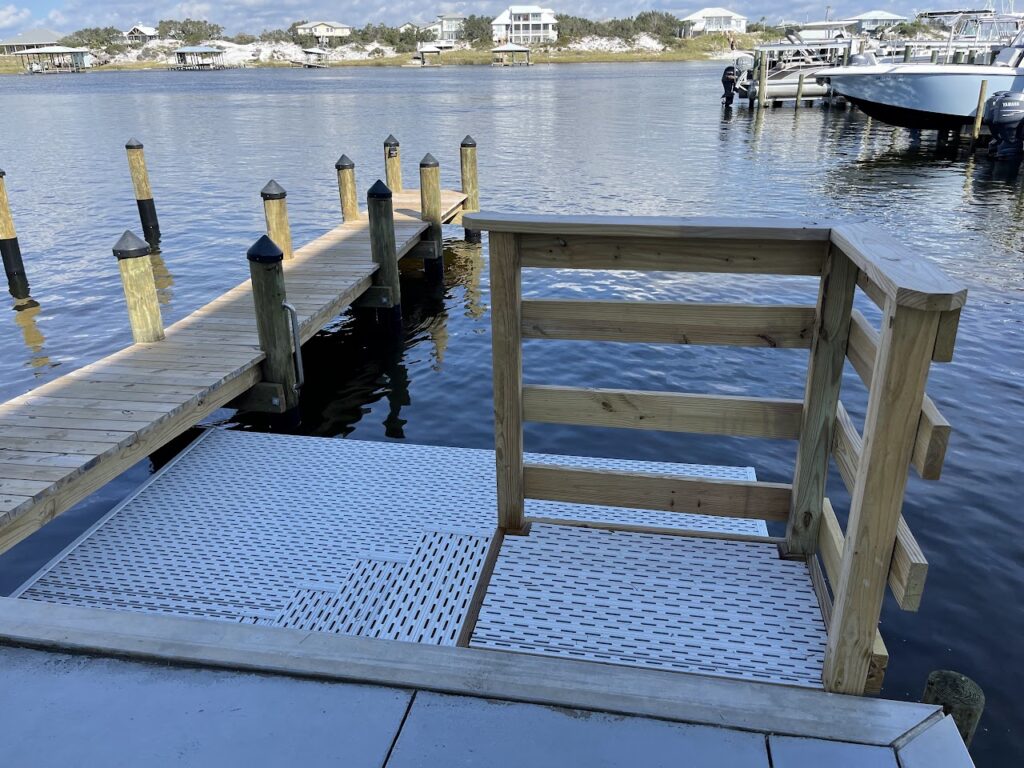
Marine construction exists at the intersection of engineering and the natural environment. Unlike inland projects, marine structures must function within dynamic systems shaped by tides, currents, storms, sediment movement, and ecological processes. When designs fail to respect these forces, the result is often premature deterioration, increased maintenance costs, or environmental harm.
Successful marine construction does not attempt to overpower nature. Instead, it works with natural processes to create structures that are resilient, efficient, and sustainable over the long term.
Understanding the Marine Environment
Every marine site is unique. Water depth, tidal range, wave energy, soil composition, and biological activity all influence how a structure will perform. Designing without a thorough understanding of these factors increases the risk of erosion, settlement, or structural failure.
Working with nature begins by studying it. Site assessments, environmental data, and historical conditions provide critical insight into how water and land interact at a given location. This information guides decisions related to foundation design, material selection, and structural orientation.
When marine structures are designed to accommodate natural movement rather than resist it, they are better equipped to endure changing conditions.
Designing for Natural Water Movement
Water is constantly in motion, and marine structures must allow for that movement rather than obstruct it. Designs that block natural flow can lead to unintended consequences such as increased erosion, sediment buildup, or scouring around foundations.
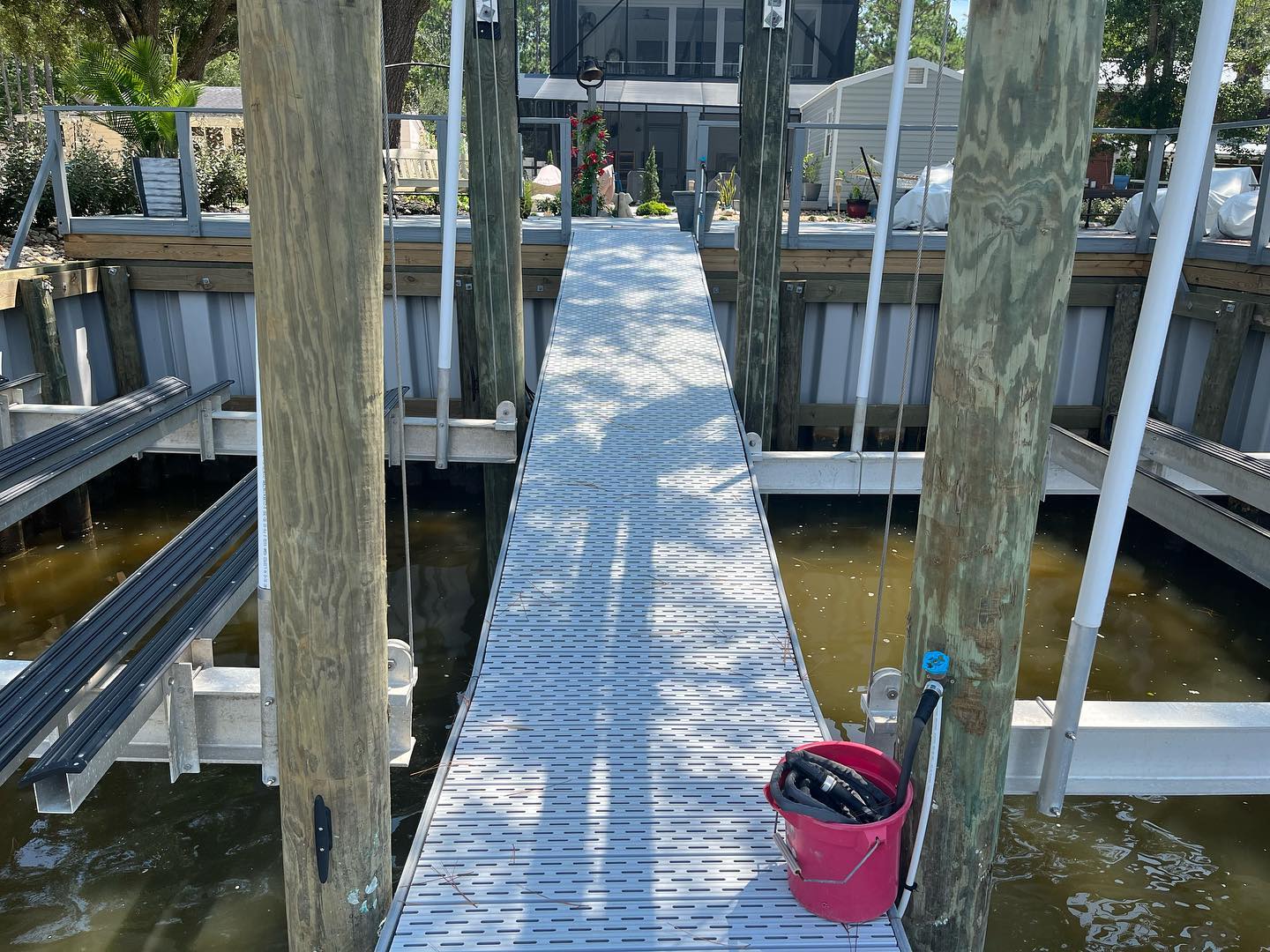
By accounting for tidal cycles, current direction, and wave energy, engineers can design structures that minimize disruption to water movement. Open pile foundations, elevated decks, and properly spaced components help water flow naturally beneath and around structures.
Allowing water to move as intended reduces stress on structural elements and improves long-term stability.
Working With Sediment and Shoreline Dynamics
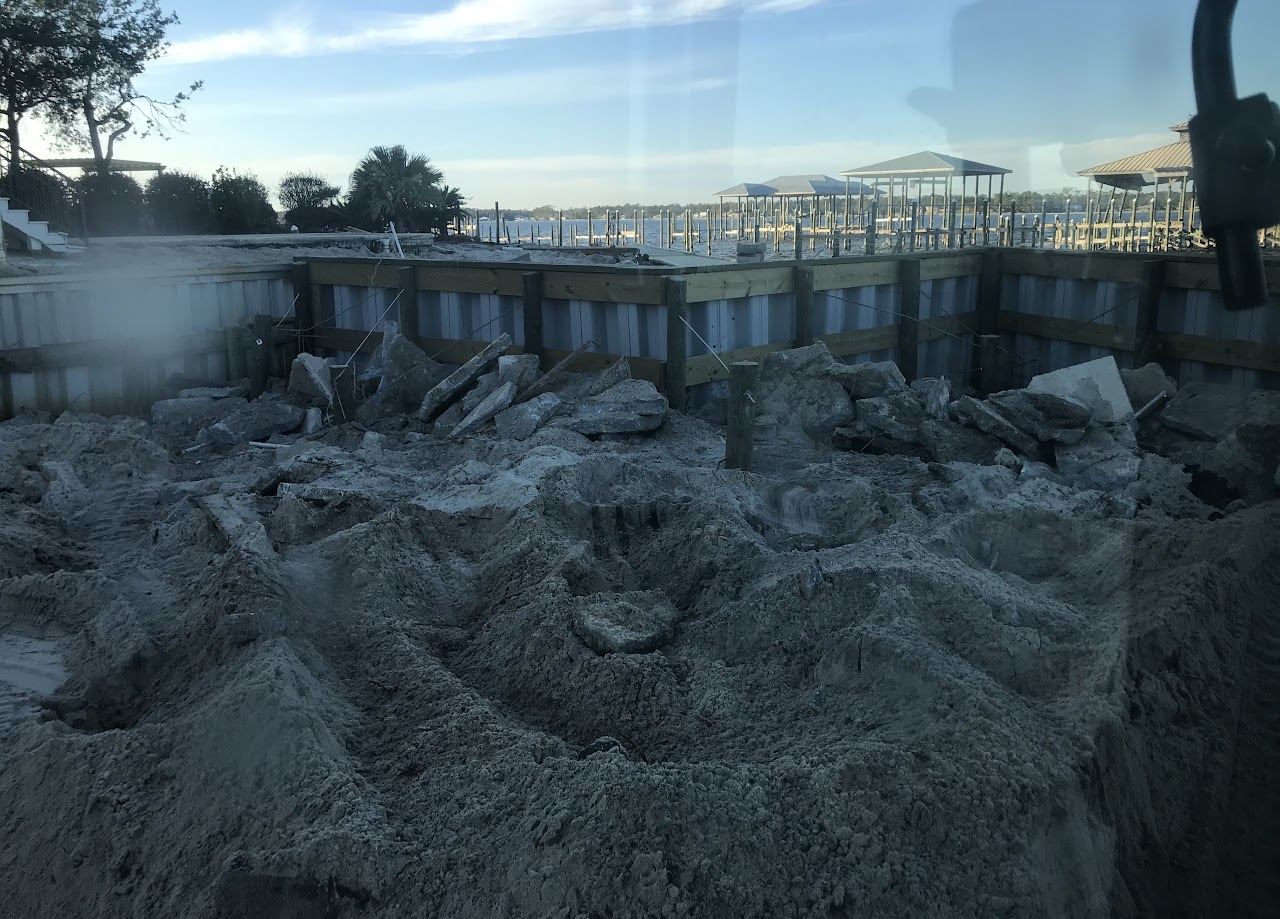
Sediment transport plays a major role in coastal and marine environments. Sand and soil are constantly shifting due to wave action, currents, and storms. Designs that fail to consider sediment movement may unintentionally accelerate erosion or destabilize surrounding areas.
Marine structures that work with sediment dynamics are designed to minimize interference with natural deposition and erosion patterns. Strategic placement, foundation depth, and structure alignment help maintain shoreline balance rather than disrupt it.
This approach not only protects the structure itself but also preserves surrounding properties and ecosystems.
Choosing Materials That Perform in Marine Conditions
Material selection is critical when designing structures that coexist with nature. Marine environments expose materials to saltwater, moisture, UV radiation, and biological growth, all of which can accelerate deterioration.
Designing with nature in mind means selecting materials that are naturally resistant to these conditions or can be effectively protected. Durable concrete mixes, corrosion-resistant metals, and treated or engineered materials extend the lifespan of marine structures while reducing maintenance demands.
Using materials suited for marine exposure ensures structures age gracefully rather than fight a losing battle against the environment.
Minimizing Environmental Impact
Modern marine construction places increasing emphasis on environmental responsibility. Designing structures that work with nature helps reduce environmental impact and supports regulatory compliance.
This may involve selective construction methods, minimizing disturbance to sensitive habitats, or incorporating erosion control measures into the design. In some cases, structures can even enhance marine environments by providing habitats or stabilizing shorelines.
Responsible design balances functionality with preservation, recognizing that healthy ecosystems contribute to the longevity of marine infrastructure.
Designing for Extreme Weather Events
Coastal environments are subject to extreme weather, including storms, hurricanes, and storm surge. Designs that work with nature consider how these events affect water levels, wave energy, and soil stability.
Rather than resisting these forces outright, resilient marine structures are designed to accommodate them. Elevated components, flexible foundations, and reinforced materials allow structures to withstand extreme conditions without catastrophic failure.
Planning for worst-case scenarios ensures structures remain safe and functional even when nature is at its most powerful.
Long-Term Performance Through Smart Design
Marine structures are long-term investments. Designs that align with natural processes require fewer repairs, experience less stress, and maintain performance over time.
By reducing environmental conflict, these structures benefit from improved durability and lower lifecycle costs. Maintenance becomes more predictable, and unexpected failures are far less likely.
Smart marine design focuses on longevity, recognizing that the most successful structures are those that coexist with their environment rather than attempt to dominate it.
The Value of Experience in Nature-Based Design
Designing marine structures that work with nature requires experience. Understanding how environmental forces interact with engineering solutions comes from years of hands-on work in marine settings.
Experienced marine construction professionals know how to translate environmental data into practical design decisions. They understand when to adapt standard approaches and when custom solutions are necessary.
This experience ensures projects are not only structurally sound but also environmentally responsible and resilient.
Building With Nature for Lasting Results
Marine construction does not have to come at odds with the natural environment. When structures are designed to work with nature, they perform better, last longer, and create fewer problems over time.
By respecting water movement, sediment dynamics, material behavior, and environmental forces, marine structures can achieve strength, stability, and sustainability. Working with nature is not just a design philosophy — it is a proven strategy for long-term success in marine construction.



1 Comment. Leave new
Hey There. I found your blog using msn. This is a very well written article.
I will make sure to bookmark it and come back to read more of your useful information.
Thanks for the post. I’ll definitely return.