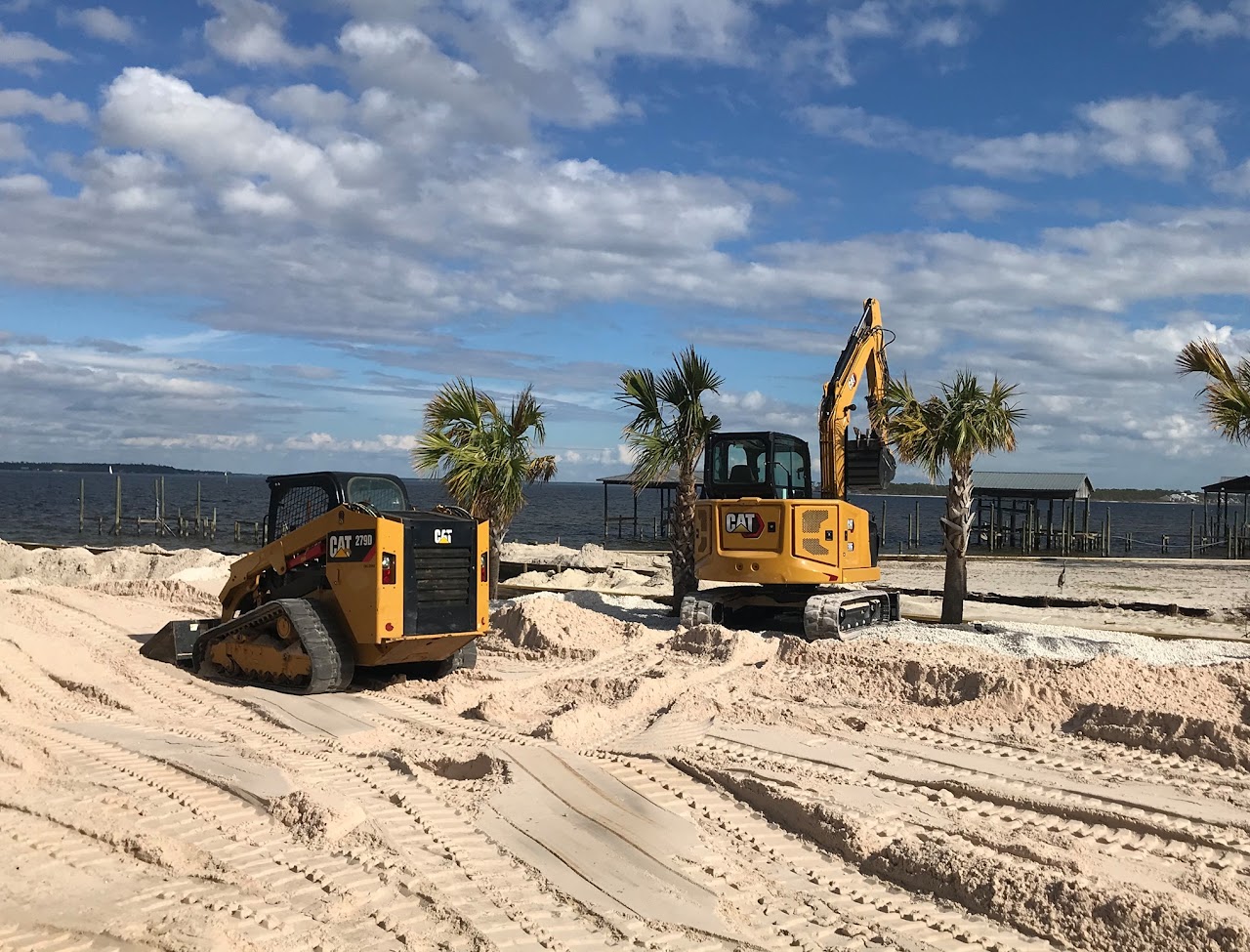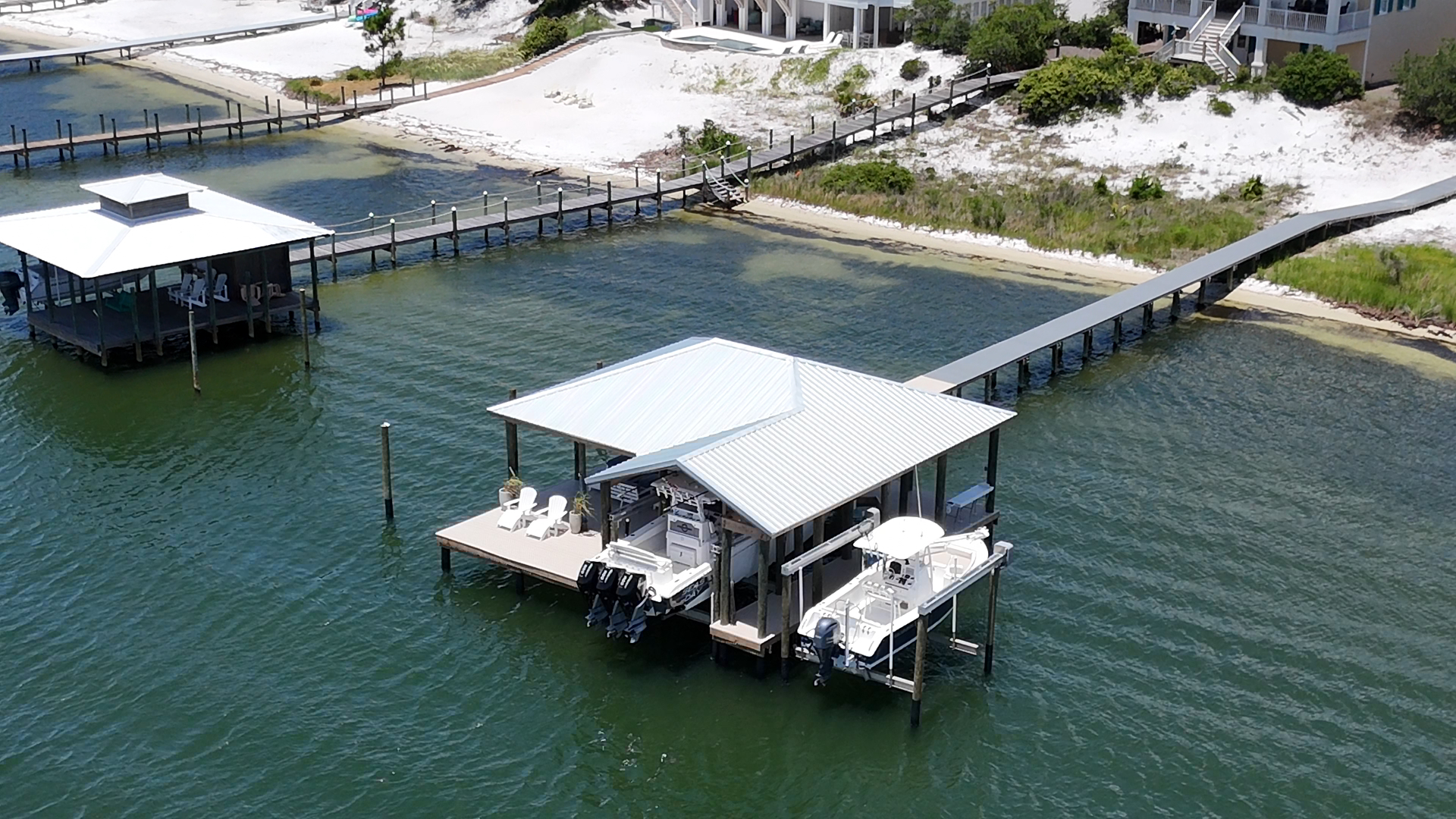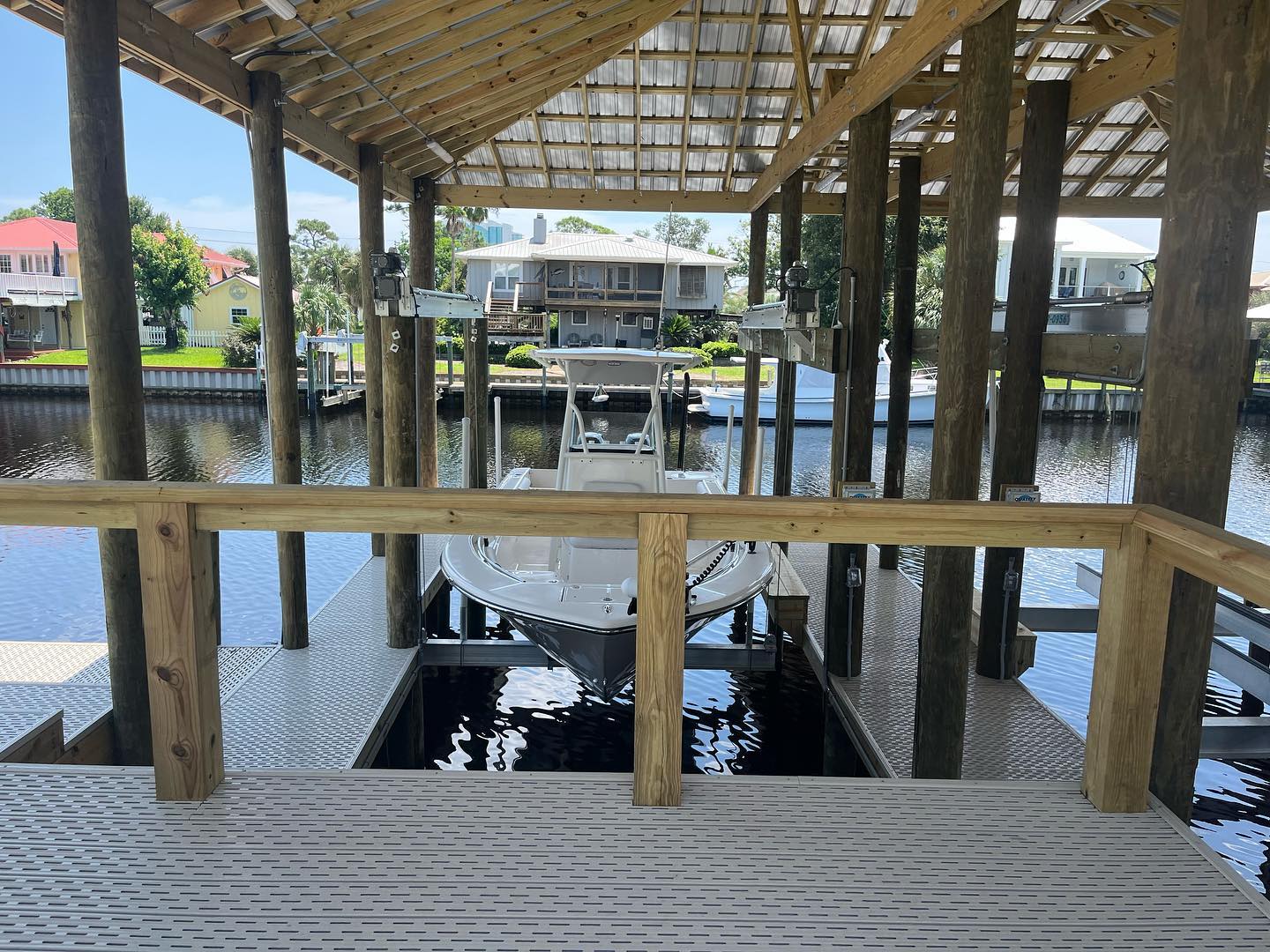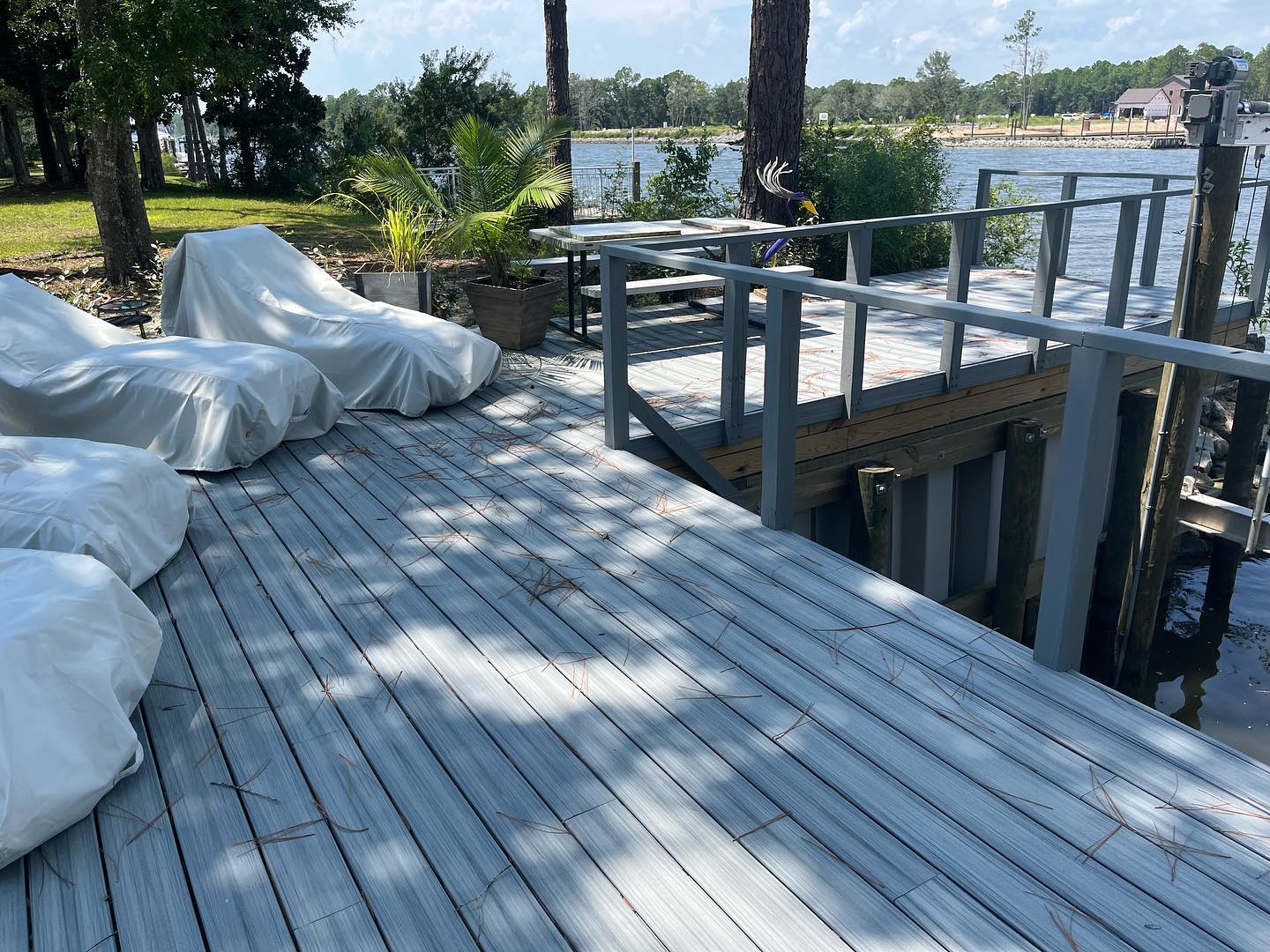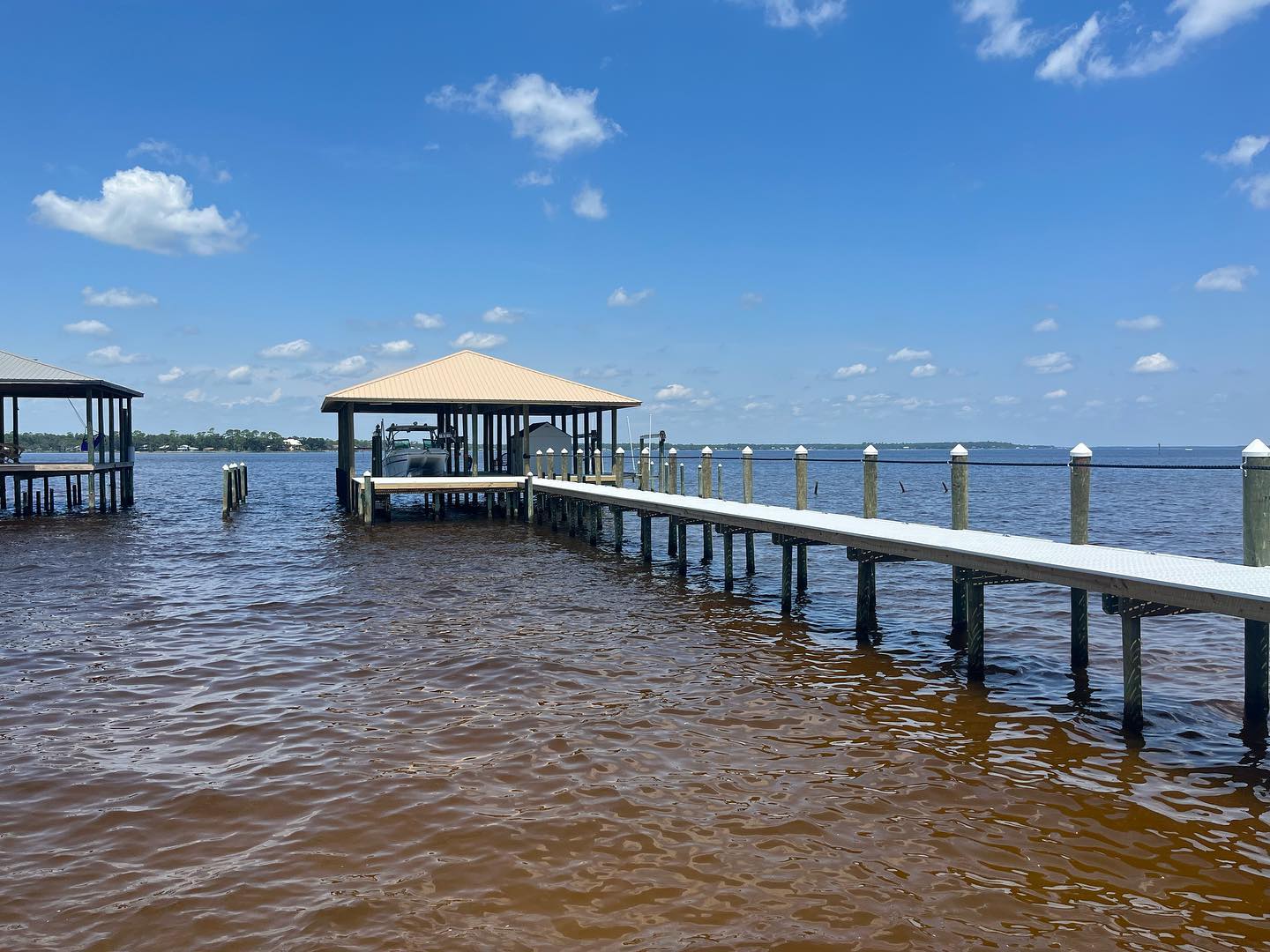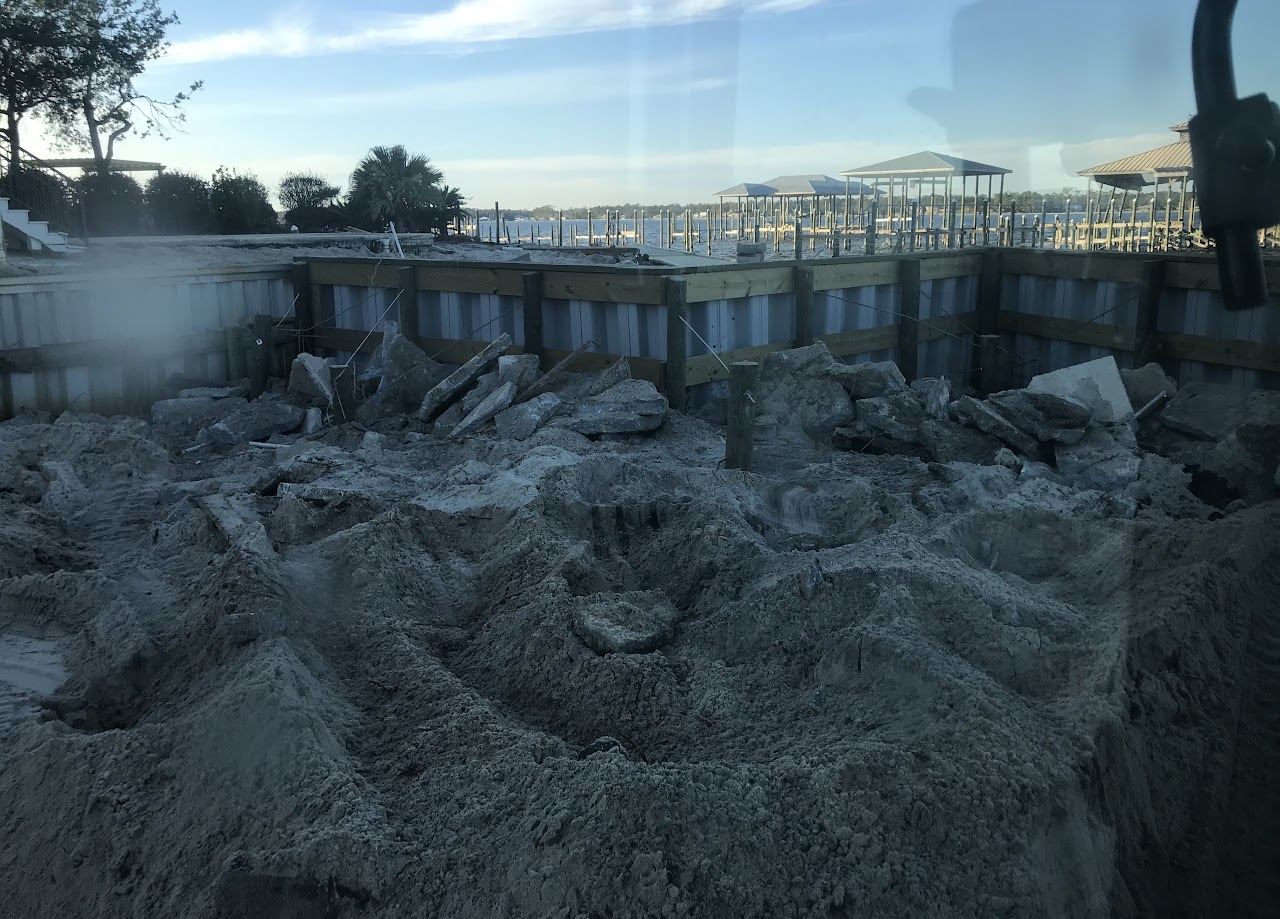
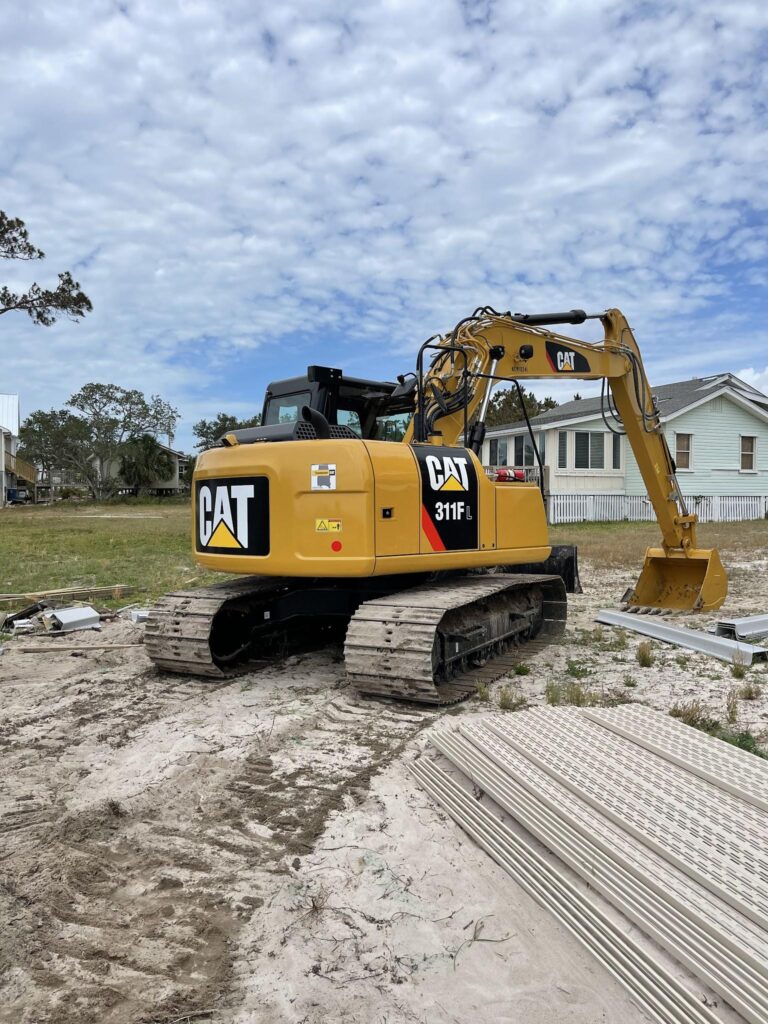
Building along the water is both a privilege and a challenge. The Gulf Coast offers stunning views, abundant opportunities for recreation, and an enviable lifestyle, but it also demands respect for the forces of nature. Between saltwater corrosion, heavy winds, storm surges, and constant exposure to the elements, marine structures must be built with a unique blend of strength, precision, and engineering insight. At Gulf Coast Land & Marine Construction, we understand that working against the forces of nature isn’t the goal—working with them is.
The Harsh Reality of the Coastal Environment
Waterfront structures face conditions far beyond what inland projects encounter. Saltwater is one of the most corrosive natural substances, capable of wearing down concrete, steel, and wood over time. Add in the constant motion of waves, the power of tides, and the unpredictability of storms, and you have an environment that demands innovation and durability from every design.
The Gulf Coast in particular poses its own challenges. High humidity accelerates corrosion, sandy soils shift with water movement, and the region’s tropical climate means storm preparedness isn’t optional—it’s essential. Marine construction isn’t simply about building docks or seawalls. It’s about crafting structures that maintain their integrity, functionality, and beauty despite nature’s constant tests.
The Science Behind Strong Marine Materials
One of the most critical decisions in marine construction is material selection. Not all concrete, metal, or lumber can handle the demands of coastal environments, which is why every component must be chosen with precision.
Marine-grade concrete, for example, contains additives that reduce permeability, making it less vulnerable to saltwater infiltration and cracking. Reinforcement materials, such as epoxy-coated or stainless steel rebar, are used to resist rust and corrosion. For dock pilings, pressure-treated wood or composite materials are common, each offering its own balance of strength and longevity.
Composite decking has become increasingly popular in marine projects because it resists warping, fading, and splintering—qualities that traditional lumber can’t always maintain under constant exposure to moisture and UV rays. Aluminum and marine-grade stainless steel hardware further ensure that even the smallest connections remain strong year after year.
Every bolt, bracket, and fastener is a critical part of the larger structure. By using materials engineered specifically for marine conditions, we ensure that the longevity of the project matches its design life—minimizing costly repairs and maximizing long-term value.
Design With Purpose: Building for Water, Not Against It
The best marine construction doesn’t fight nature—it adapts to it. Whether it’s a seawall, pier, boat lift, or bulkhead, every project must be designed with the movement of water in mind. Understanding tidal fluctuations, wave energy, and soil composition allows engineers to design structures that complement natural forces rather than resist them.
For example, seawalls built without accounting for water flow can actually accelerate erosion in adjacent areas, creating new problems instead of solving old ones. At GCLM, our engineers analyze the hydrodynamics of each site, ensuring that drainage, slope, and materials work in harmony with the surrounding ecosystem.
Floating docks are another example of adaptive design. Unlike fixed docks, they rise and fall with the tide, maintaining usability and reducing stress on pilings during high water events. This type of design not only improves longevity but also enhances safety and usability for waterfront property owners.
The Role of Engineering Innovation
Modern marine construction relies heavily on technology. From 3D modeling and underwater surveying to advanced geotechnical testing, today’s tools allow engineers to predict and mitigate potential failures before construction ever begins.
At Gulf Coast Land & Marine Construction, we use precision engineering techniques to ensure every project is structurally sound from the ground—or seabed—up. Soil stability tests determine the right type of foundation system, while CAD modeling allows for exact visualization of how each structure interacts with the surrounding environment.
This forward-thinking approach ensures that no detail is overlooked. Whether designing a dock that can handle heavy tidal shifts or a seawall that protects against storm surge, the key lies in understanding how every natural element will affect the finished product over time.
Storm-Resistant Construction: Prepared for the Worst
On the Gulf Coast, storms are an inevitable part of life. High winds, rising tides, and pounding waves can put extreme stress on marine structures. That’s why resilience is at the heart of every design we create.
Storm-resistant construction begins with anchoring. Deeply driven pilings and reinforced footings create a solid base capable of withstanding surge and uplift forces. The connections between components—such as between dock sections or wall panels—are fortified to prevent displacement during high-impact events.
We also focus on flexibility in design. Some structures benefit from a slight degree of movement, allowing them to absorb wave energy rather than resist it completely. This helps prevent cracking, bending, and long-term fatigue in materials.
By incorporating both strength and adaptability, our builds can endure not just one major storm but years of changing conditions. Homeowners and property managers can rest easy knowing their investment is protected by engineering designed to last.
Maintenance and Longevity: The Value of Preventive Care
Even the strongest marine construction benefits from proper maintenance. Salt, moisture, and UV exposure are relentless, and periodic inspections can catch minor issues before they become costly repairs.
We often recommend seasonal checks for signs of corrosion, wood deterioration, or joint movement, especially after major weather events. Regular maintenance extends the lifespan of any marine structure and keeps it performing as intended.
GCLM provides clients with tailored maintenance plans designed around their specific projects and environments. These proactive steps preserve not just the structural integrity but also the aesthetic appeal of every waterfront property we build.
Environmental Responsibility in Marine Construction
Sustainability is no longer optional in modern construction, especially when working in sensitive coastal areas. Marine projects must balance performance with environmental stewardship, ensuring that ecosystems remain protected throughout the construction process.
We implement erosion control measures, silt barriers, and eco-friendly materials to minimize impact during construction. Additionally, many of our designs include features that enhance natural habitats, such as oyster reefs integrated into seawall designs or vegetation buffers that help filter runoff.
This approach ensures that our projects not only withstand environmental challenges but also contribute to the long-term health of the coastline. Building responsibly today means preserving the shoreline for future generations.
The Long-Term Return on Quality Engineering
While marine-grade materials and precision engineering may involve higher upfront costs, the return on investment becomes clear over time. Structures that are properly designed and built can last decades longer than those that cut corners during construction.
Homeowners save significantly on maintenance, repairs, and replacements, and property values remain stronger when the infrastructure below and around the home is sound. Investing in quality marine construction isn’t just a financial decision—it’s a commitment to safety, sustainability, and peace of mind.
At GCLM, our clients see the difference in every project we complete. From residential docks to large-scale marine infrastructure, we build with the future in mind. Every structure is a testament to how engineering excellence and environmental awareness can coexist along one of the most dynamic coastlines in the country.
Building the Future, One Shoreline at a Time
Engineering the elements isn’t easy—but it’s what we do best. Every seawall, dock, and marine foundation we construct is built to endure salt, storms, and time itself. Our commitment to quality, innovation, and integrity ensures that the Gulf Coast’s shorelines remain not only beautiful but resilient for years to come.
Whether you’re planning a private waterfront retreat or a large-scale marine development, trust the experts who understand the coast inside and out. At Gulf Coast Land & Marine Construction, we don’t just build structures—we build confidence, one project at a time.