Waterfront properties are highly desirable, offering beautiful views, recreational opportunities, and a connection to nature that few other locations can match. However, these properties also face unique challenges. Erosion, storm surge, tidal fluctuations, and wave action can threaten the stability and longevity of the land. For property owners, these challenges make proper shoreline protection essential. Retaining walls and seawalls are two critical solutions that safeguard waterfront properties, enhance usability, and increase long-term value.
Understanding the Role of Seawalls
Seawalls are vertical structures built along shorelines to protect land from the erosive forces of waves, tides, and storm surges. They are particularly important in areas exposed to hurricanes, tropical storms, or strong tidal activity. Seawalls act as a barrier, absorbing and deflecting the energy of incoming water to prevent soil from washing away and to maintain the integrity of the shoreline.
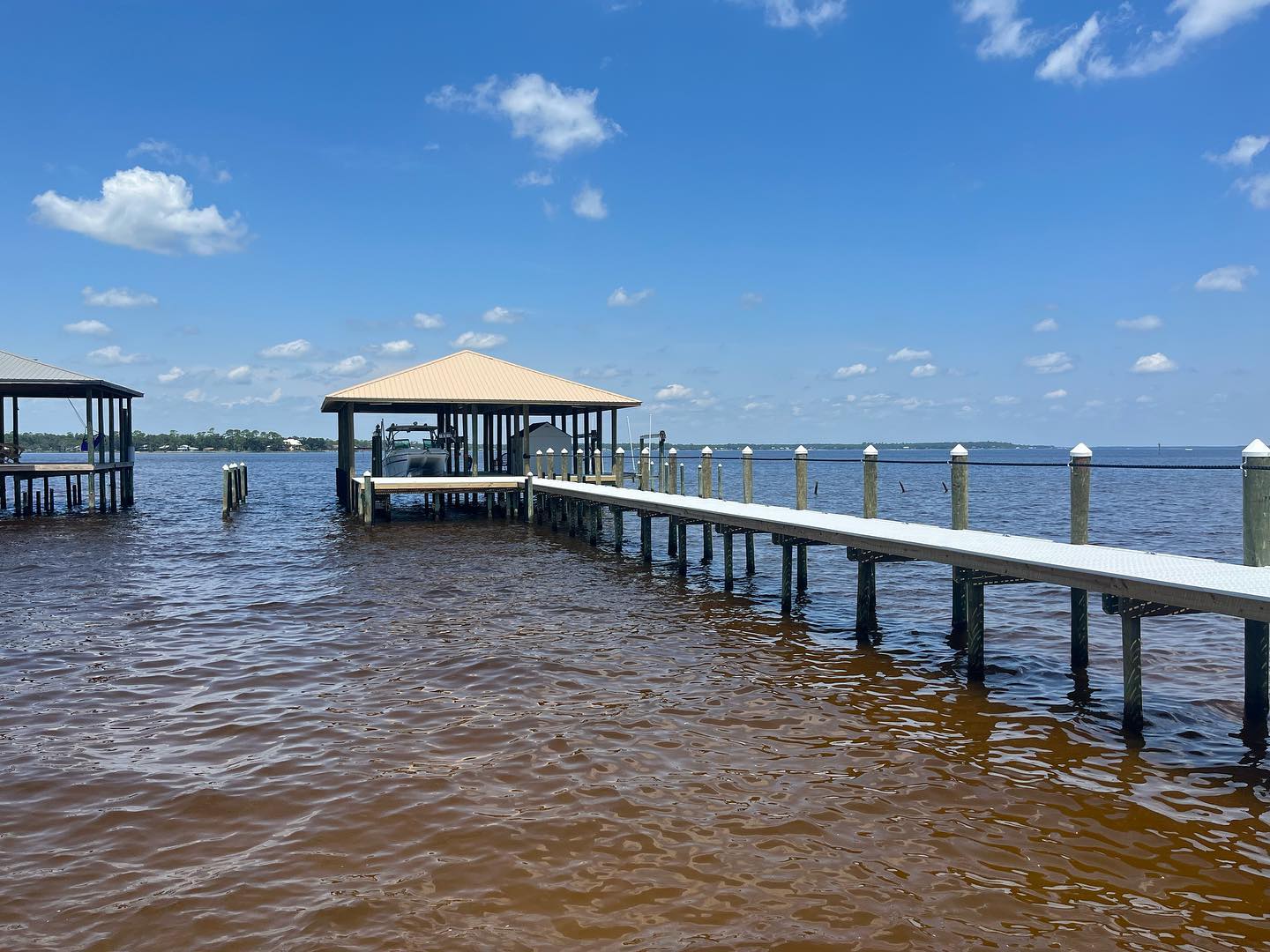
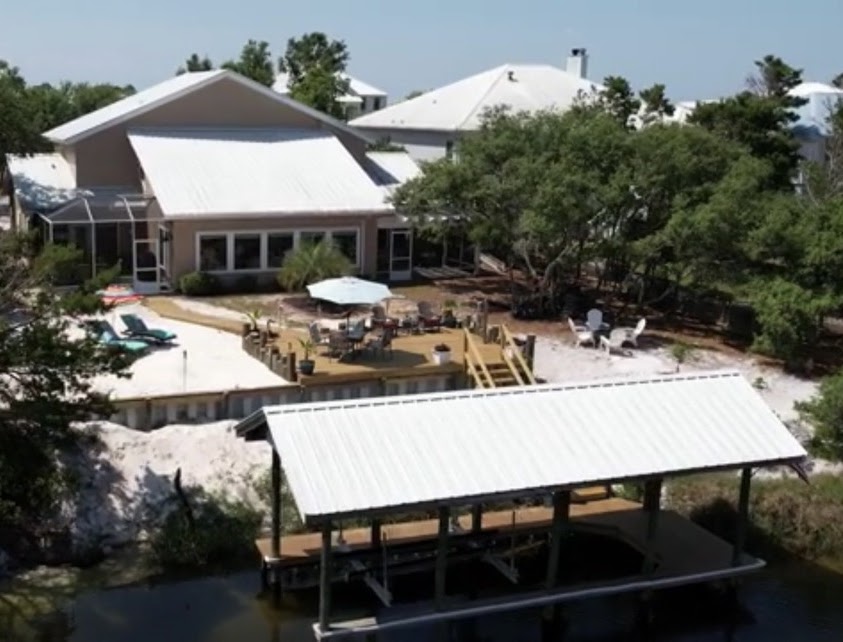
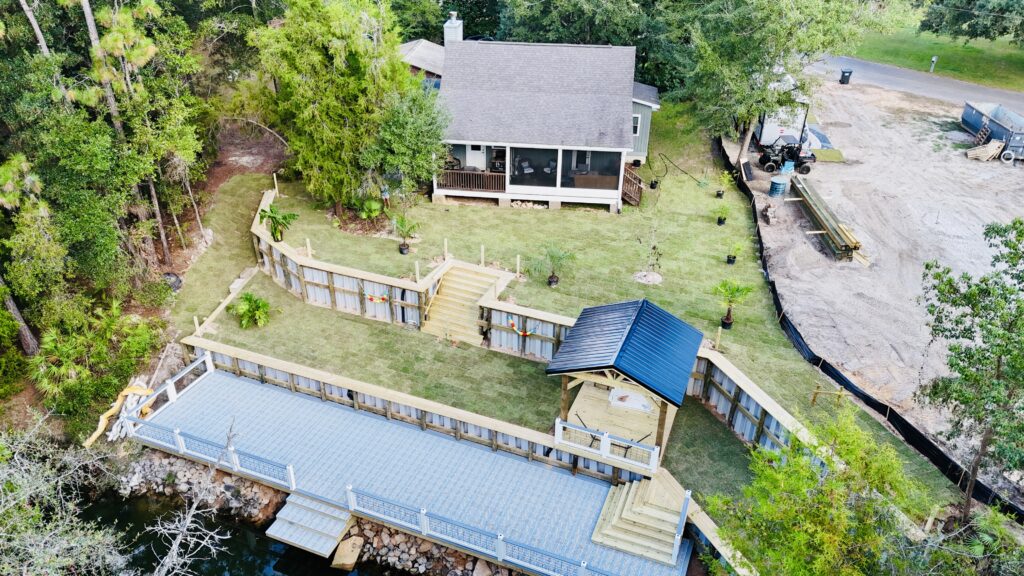
Beyond protection, seawalls also provide functional benefits. They create a stable edge for docks, piers, and other waterfront infrastructure, allowing homeowners to enjoy water access without worrying about gradual land loss. Well-constructed seawalls can also enhance aesthetics, giving a clean, defined edge to the property while complementing landscaping and outdoor living spaces.
Retaining Walls and Their Benefits
Retaining walls serve a slightly different purpose but are equally important for waterfront properties, especially those with sloped or uneven terrain. These walls hold back soil, prevent landslides, and manage water runoff effectively. For coastal lots or properties along canals, retaining walls help stabilize the land behind the structure, reducing the risk of damage to buildings, driveways, and landscaping.
Retaining walls also allow property owners to maximize usable space. By leveling areas behind the wall, they can create terraces, gardens, patios, or pathways that would otherwise be difficult or unsafe to use. In combination with seawalls, retaining walls contribute to a comprehensive approach to shoreline stabilization and land management.
Engineering and Design Considerations
The effectiveness of seawalls and retaining walls depends on proper design and engineering. Factors such as soil composition, wave energy, water depth, and local weather patterns must all be considered. Materials play a crucial role as well. Concrete, steel, timber, and stone are commonly used, each offering specific advantages in terms of durability, maintenance, and appearance.
Professional design ensures that walls are built to withstand the forces they will encounter over decades. Improperly designed walls can fail, leading to costly repairs, property damage, and environmental concerns. Experienced contractors evaluate every factor, from load-bearing requirements to drainage systems, to ensure long-term stability.
Environmental Considerations
While seawalls and retaining walls provide essential protection, they must be implemented responsibly to minimize environmental impact. Poorly designed or constructed walls can disrupt natural water flow, negatively affect aquatic habitats, and contribute to erosion downstream.
Modern coastal construction practices emphasize sustainability. Many contractors incorporate features such as stepped walls, bioengineering techniques, and natural stone facings that blend with the environment. These methods protect property while preserving the ecological integrity of the shoreline.
Impact on Property Value and Usability
Waterfront properties with well-maintained seawalls and retaining walls are more attractive to buyers and can command higher market values. These structures provide peace of mind, reduce maintenance concerns, and allow for full enjoyment of the waterfront. Whether it’s safe docking for boats, outdoor living spaces, or simply the reassurance of a protected shoreline, these improvements enhance both functionality and investment potential.
In addition to financial benefits, these structures improve daily usability. They prevent water intrusion during high tides, allow for controlled landscaping, and create opportunities for recreational amenities. A well-protected shoreline is a foundation for safe, long-term enjoyment of coastal property.
Choosing the Right Contractor
Seawall and retaining wall construction requires specialized expertise. Contractors must have knowledge of local regulations, coastal engineering, and environmental compliance. Selecting an experienced team ensures that walls are designed and built to meet both safety and aesthetic standards.
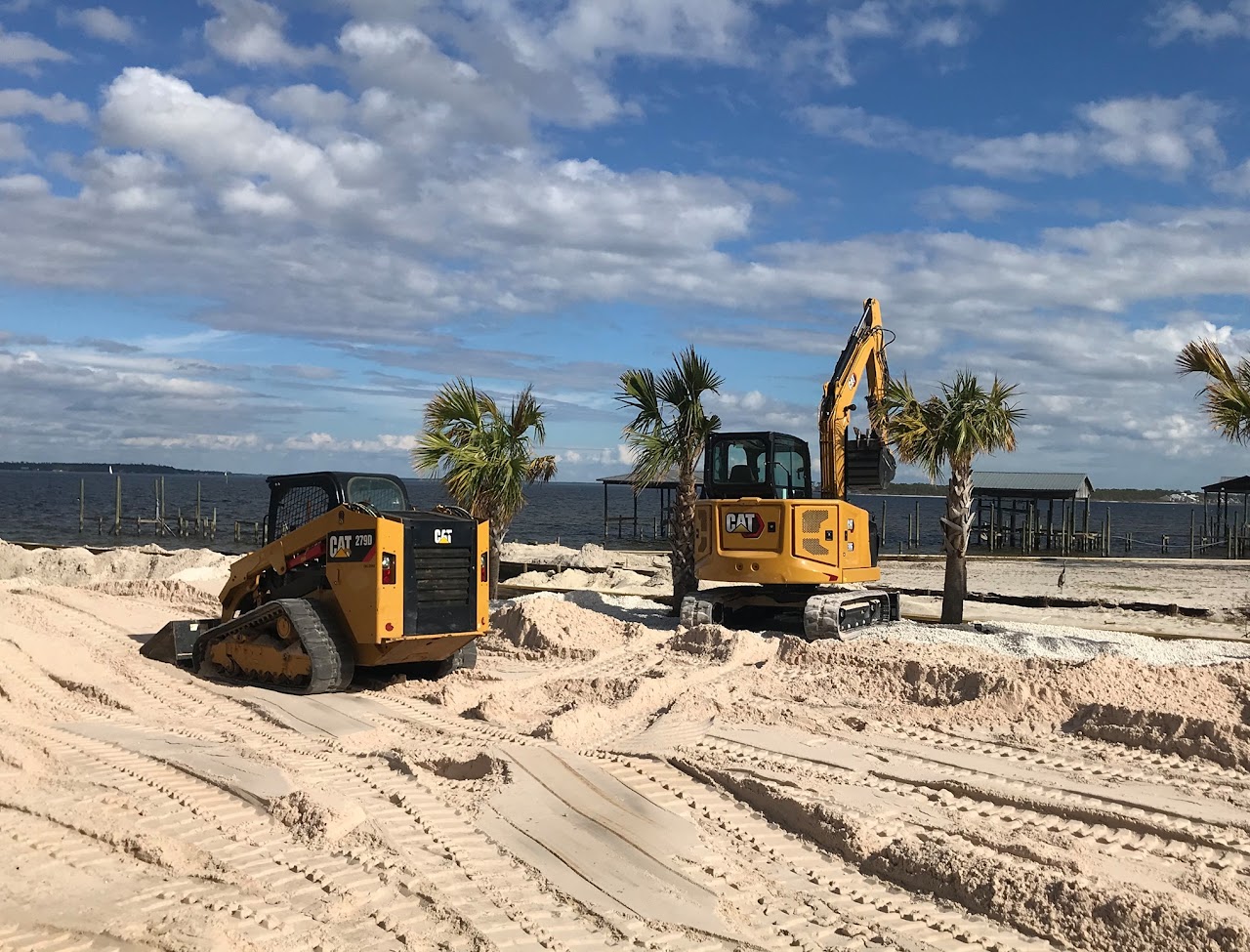
At GCLM Construction, our team brings decades of experience in marine and land development along the Gulf Coast. From initial site assessment and design to construction and ongoing maintenance, we manage every step to deliver reliable, durable, and visually appealing solutions. Our goal is to protect your investment while enhancing the functionality and beauty of your waterfront property.
Conclusion
Retaining walls and seawalls are essential elements of waterfront property development. They protect against erosion, stabilize soil, manage water flow, and improve the usability and value of coastal properties. When designed and constructed with expertise and care, these structures ensure that waterfront living remains both safe and enjoyable.
For property owners, developers, and investors, investing in seawalls and retaining walls is an investment in longevity, peace of mind, and the full potential of a waterfront lifestyle. With the right planning and professional execution, these essential structures protect your property today and for generations to come.