
Living on the water comes with incredible views, easy access to boating and a lifestyle that many property owners dream about. But waterfront property also comes with challenges that inland homeowners may never have to think about.
One of those challenges is shoreline erosion.
Over time, water, waves, weather and changing conditions can gradually wear away the land along a shoreline. What may begin as a small change can eventually affect the usable area of your property, landscaping, access to the water and even structures located near the shoreline.
Understanding the signs of erosion and knowing when to take action can help waterfront property owners better protect their investment.
What Is Shoreline Erosion?
Shoreline erosion occurs when soil, sand or other material along the edge of a body of water is gradually removed by natural forces.
Waves and currents are common causes, but erosion can also be influenced by storms, heavy rainfall, changing water levels, boat traffic and the natural characteristics of a particular shoreline.
Some properties may experience erosion slowly over many years, while severe weather or other conditions can cause noticeable changes in a much shorter period.
Because every waterfront property is different, the causes and severity of erosion can vary significantly from one location to another.
Signs Your Shoreline May Be Eroding
Erosion is not always immediately obvious. In many cases, the changes happen gradually.
Waterfront property owners may notice that the shoreline appears to be moving inland, the water’s edge is getting closer to landscaping or structures, or areas that were previously covered with soil or vegetation are beginning to disappear.
Other signs can include exposed roots, small drop-offs along the shoreline, bare areas where vegetation has been lost, or soil and sediment collecting in the water nearby.
Paying attention to these changes can help you recognize a potential problem before it becomes more significant.
Why Does Shoreline Erosion Matter?
A changing shoreline can affect much more than the appearance of your property.
As land is lost, the usable portion of the property can become smaller. Areas previously used for walking, entertaining, fishing or accessing a boat may become more difficult to use.
Erosion can also affect landscaping. Plants, trees and other vegetation near the shoreline may lose the soil they need to remain established.
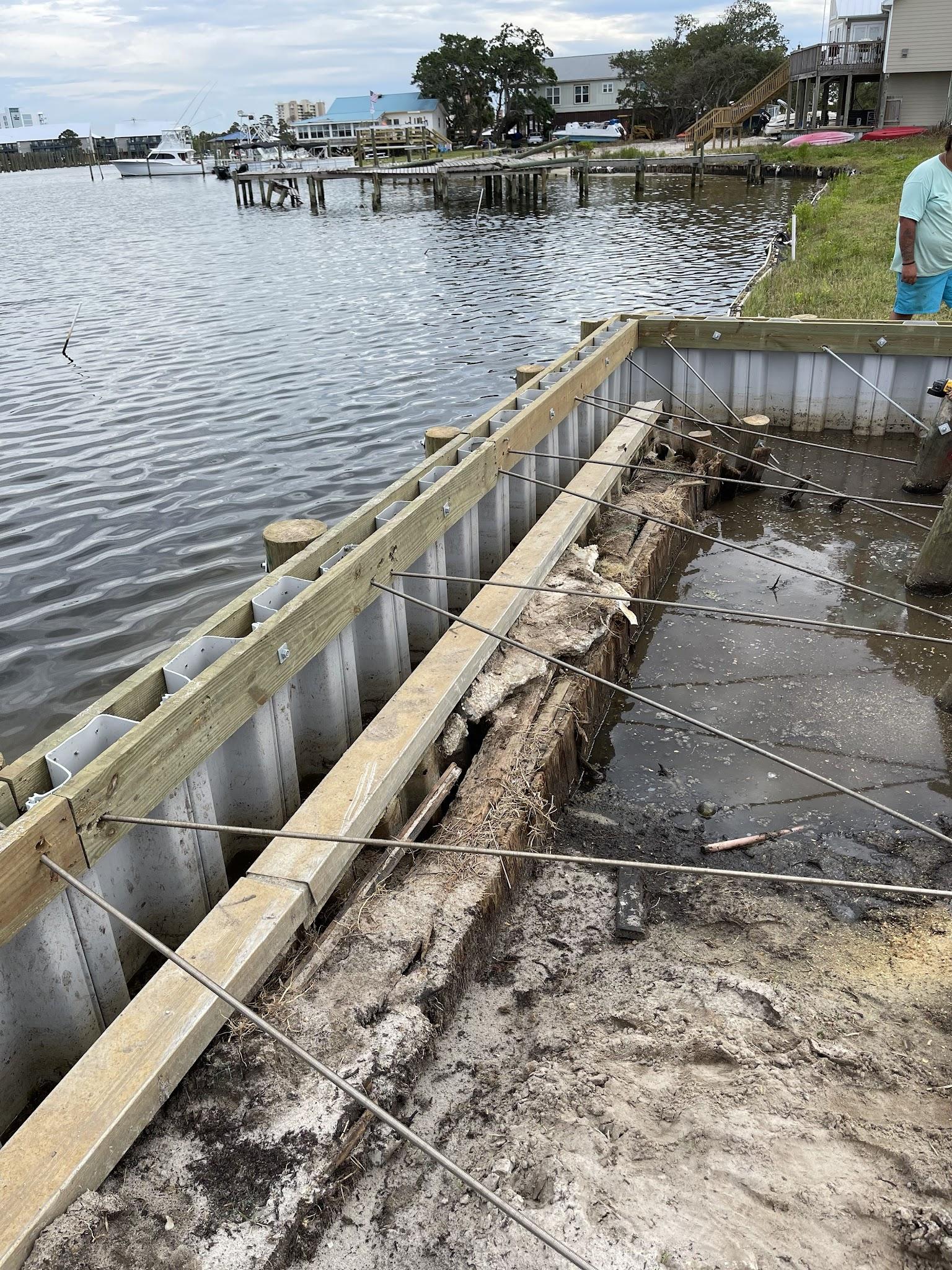
In more severe situations, continued erosion can begin to threaten improvements located close to the water, including walkways, retaining features, docks and other structures.
That is why monitoring your shoreline should be part of maintaining a waterfront property.
Storms Can Accelerate Shoreline Changes
While erosion can happen gradually, major weather events can speed up the process.
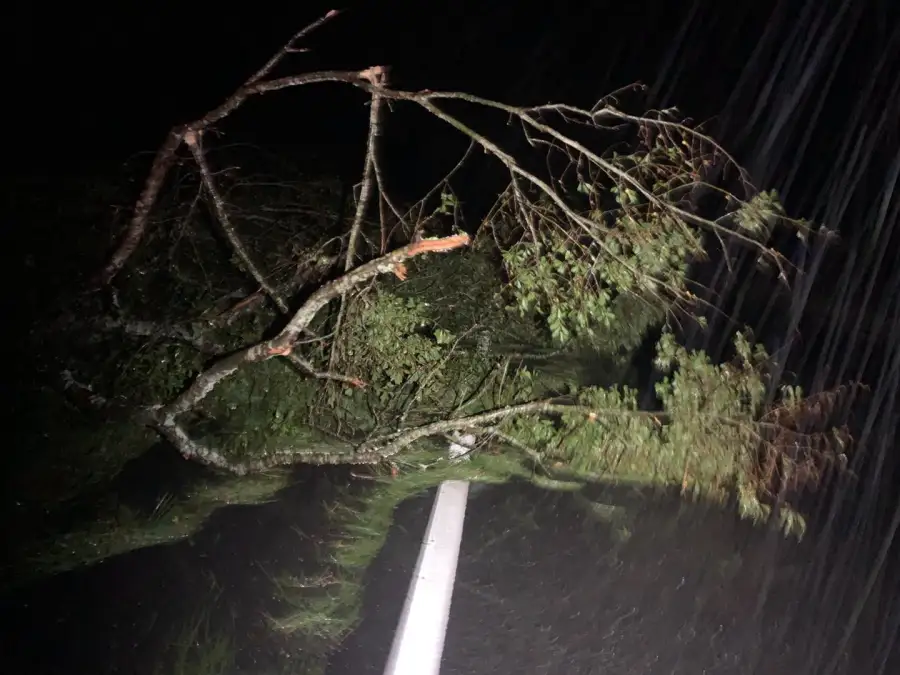
Strong winds, heavy rain, storm surge and large waves can move significant amounts of soil and sediment in a relatively short period of time. After a major storm, a shoreline that appeared stable before the weather event may look noticeably different.
This is one reason it is important for waterfront property owners to inspect their shoreline after significant weather.
Taking photographs and comparing the shoreline over time can also help you identify changes that may otherwise be easy to overlook.
Vegetation Can Play an Important Role
Vegetation along a shoreline can help stabilize soil and reduce the effects of water movement.
When plants and their root systems are established along the shoreline, they can help hold soil in place. When vegetation is removed or damaged, the exposed soil may become more vulnerable to erosion.
That does not mean every waterfront property needs to look the same. The appropriate approach depends on the property, shoreline conditions and the type of waterway involved.
Before making major changes to a shoreline, property owners should understand the conditions affecting their particular property and any applicable requirements.
Your Shoreline Is Part of Your Property
It can be easy to think of the shoreline as simply the place where your land meets the water. In reality, it is an important part of the overall property.
The condition of the shoreline can affect how you use your waterfront, how your property looks and how future improvements may need to be planned.
If you are considering a dock, access point, landscaping project or other waterfront improvement, understanding the current condition of the shoreline can be an important part of the planning process.
Addressing Problems Early Can Be Beneficial
There is a big difference between noticing a small area of erosion and discovering that a significant portion of your shoreline has already changed.
Regularly inspecting your property gives you an opportunity to identify changes early. If you notice signs of erosion, it can be helpful to seek professional guidance before deciding what work should be done.
A solution that works for one waterfront property may not be appropriate for another. Shoreline characteristics, water conditions, property use and the surrounding environment all need to be considered.
Waterfront Projects Require Planning
Work along a shoreline can involve more considerations than a typical land improvement project.
Depending on the location and the type of work being proposed, there may be permitting requirements, environmental considerations or other regulations that need to be addressed.
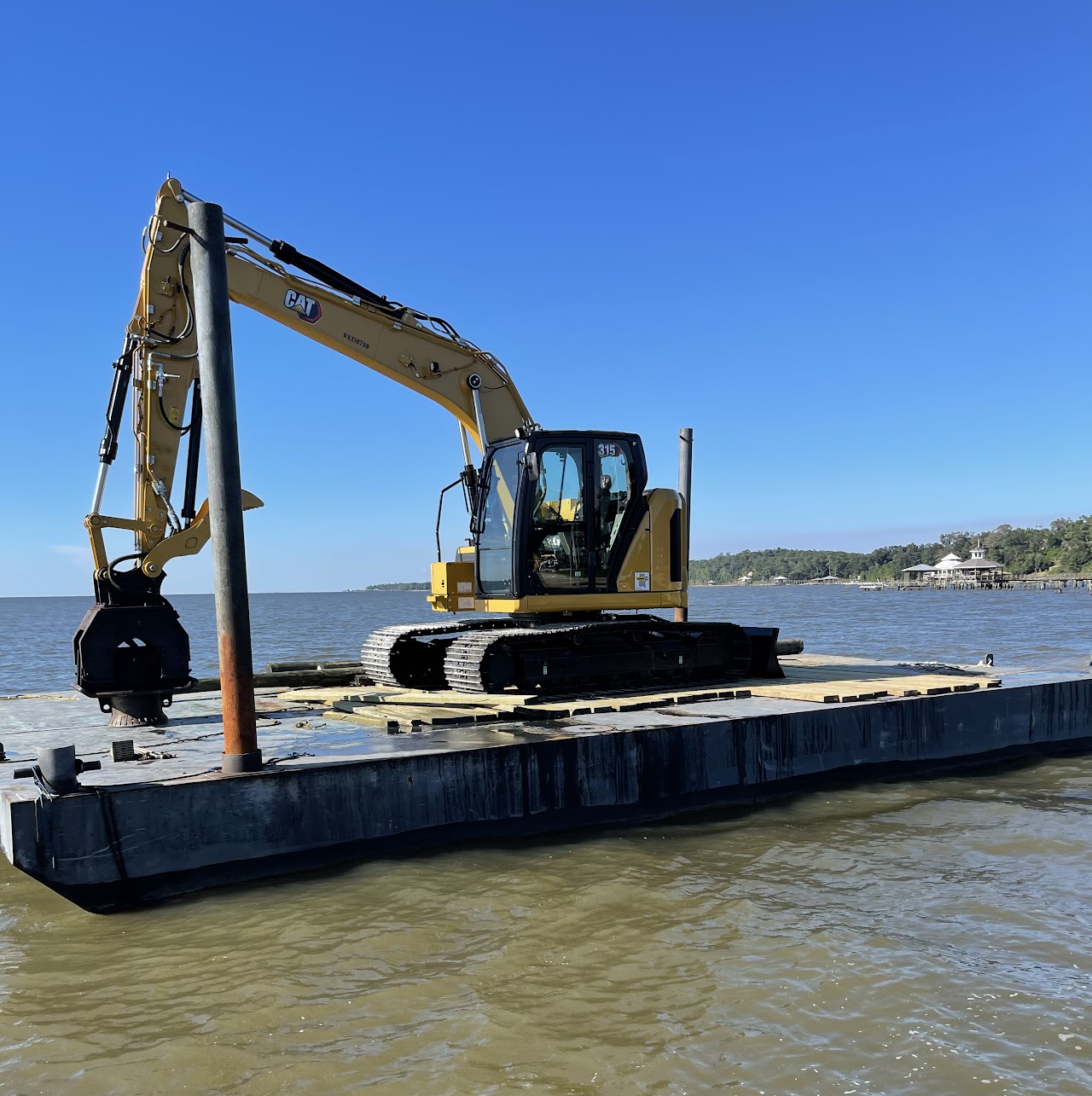
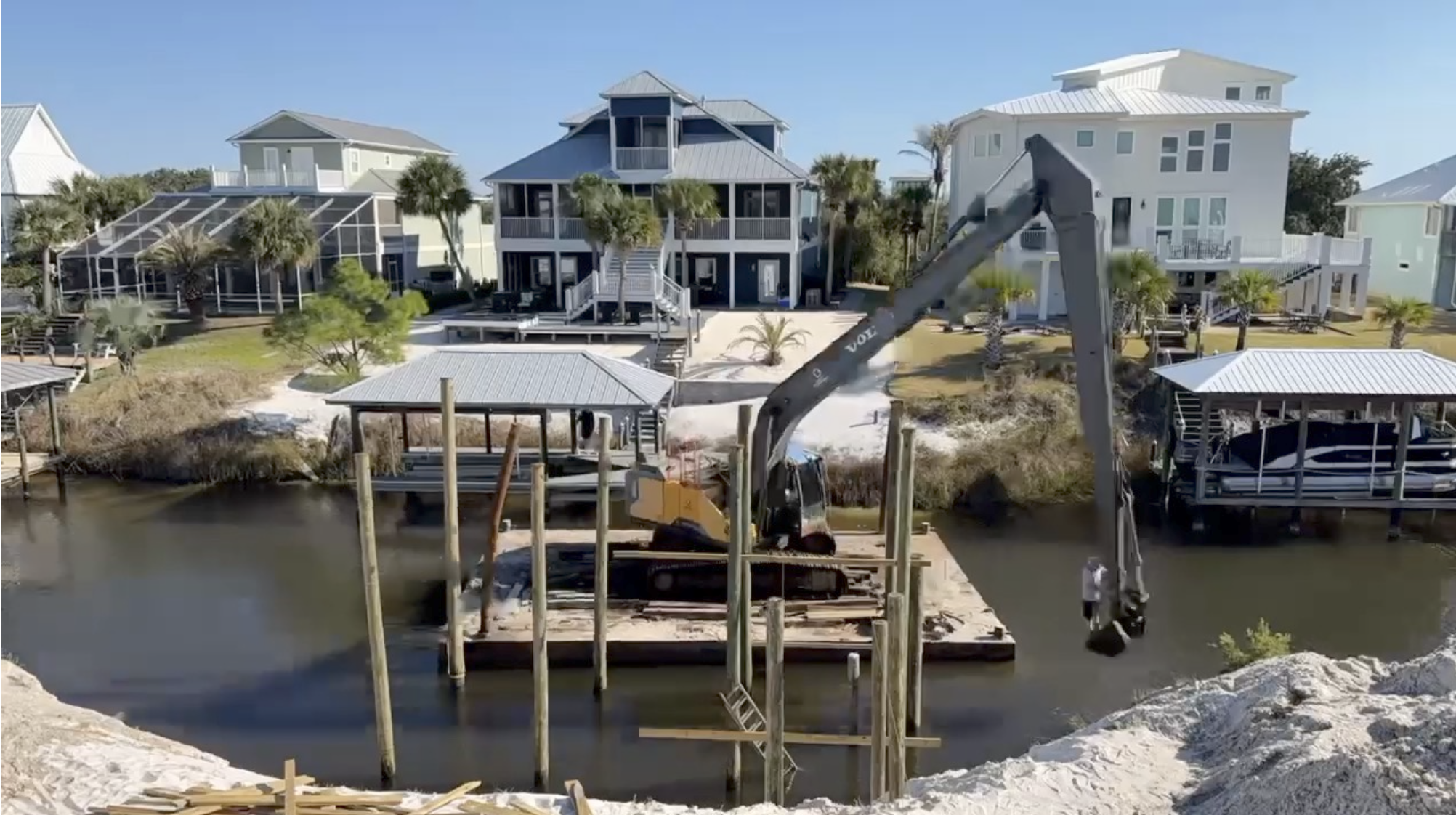
Working with professionals who understand waterfront projects can help property owners better understand the process and determine what steps may be necessary before work begins.
At GCLM, we understand that waterfront properties require thoughtful planning. Our goal is to help property owners understand their options and approach waterfront projects with the information needed to make informed decisions.
Protecting Your Investment Starts With Paying Attention
Waterfront property is valuable for many reasons, but owning property along the water also means accepting that the shoreline is constantly interacting with natural forces.
You cannot control the waves, weather or water levels, but you can pay attention to how those factors are affecting your property.
Regular inspections, documenting changes and addressing concerns early can all be part of responsible waterfront property ownership.
If you have noticed changes along your shoreline or are considering improvements to your waterfront property, GCLM can help you understand the next steps.
Your waterfront is more than a view. It is an important part of your property, and it deserves thoughtful attention.