Coastal erosion is a growing concern for property owners, municipalities, and developers along the Gulf Coast and other shoreline areas. Rising sea levels, storm surges, and natural wear can quickly compromise the stability of waterfronts, threatening infrastructure, homes, and local ecosystems. Protecting the shoreline isn’t just about preserving land—it’s about safeguarding investments, maintaining navigable waterways, and ensuring long-term sustainability.
Fortunately, innovative solutions in coastal engineering and waterfront protection now make it possible to combat erosion effectively while balancing environmental concerns. By combining advanced materials, engineering techniques, and smart planning, waterfronts can be stabilized, strengthened, and even enhanced for recreational and commercial use.
Understanding Coastal Erosion
Before implementing solutions, it’s important to understand what drives coastal erosion. Wave action, tidal currents, wind, and storms all contribute to the gradual wearing away of shorelines. Human activity, including construction and land development, can accelerate this process by altering natural water flow or removing protective vegetation.
The consequences of unchecked erosion are significant. Shoreline retreat can damage property foundations, weaken seawalls, compromise roads and infrastructure, and threaten habitats for fish, birds, and other wildlife. Understanding these forces is the first step toward creating resilient waterfront solutions.
Living Shorelines: A Natural Approach
One of the most promising solutions is the concept of a “living shoreline.” Instead of relying solely on rigid structures like seawalls or bulkheads, living shorelines use natural elements such as plants, sand, and rocks to stabilize the coast. Native vegetation, marsh grasses, and oyster reefs absorb wave energy, reduce erosion, and create habitats for local wildlife.
Living shorelines offer multiple benefits. They enhance the aesthetic appeal of the waterfront, improve water quality, and provide long-term resilience against storms and rising tides. They’re also environmentally friendly, aligning with sustainable development practices while preserving the ecological balance.
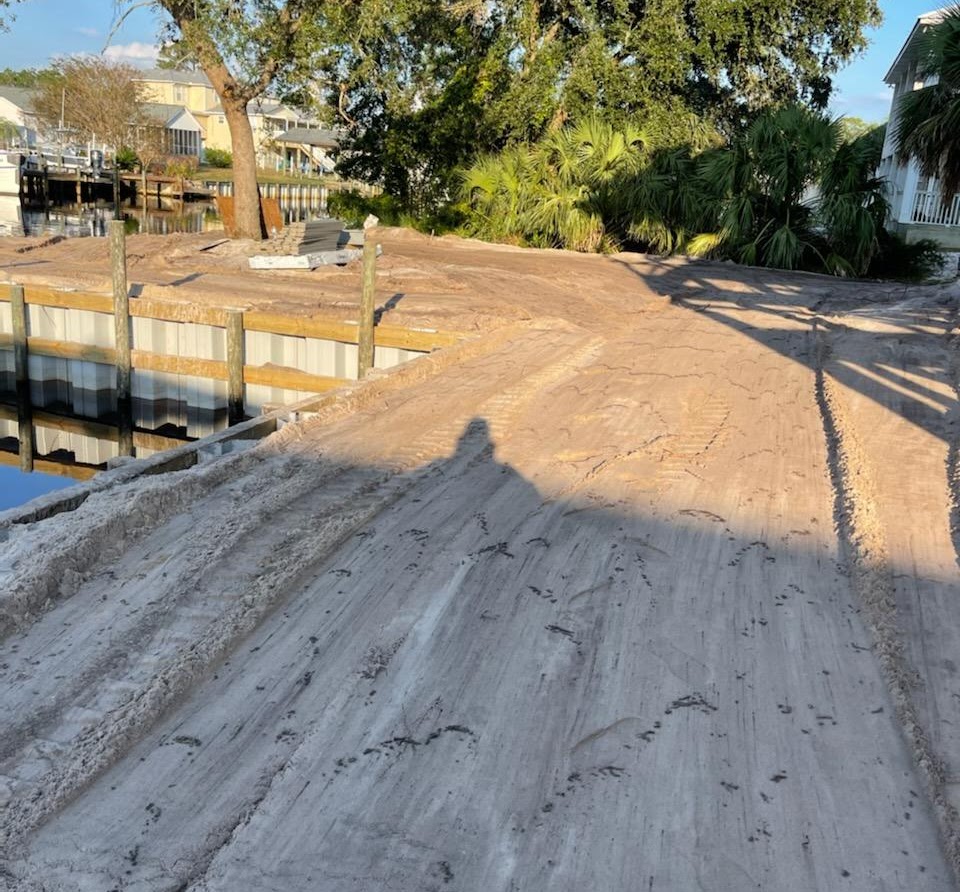
Reinforced Seawalls and Bulkheads
For areas requiring stronger structural protection, reinforced seawalls and bulkheads remain effective solutions. Modern materials and construction techniques have improved their durability and longevity. Concrete, steel, and composite materials are often used to withstand the forces of waves, tides, and storms.
Designing these structures requires careful engineering to ensure they don’t exacerbate erosion elsewhere along the shoreline. By combining expert engineering with proper maintenance, reinforced seawalls and bulkheads provide robust protection for waterfront properties and infrastructure.
Geotextiles and Erosion Control Fabrics
Innovative materials like geotextiles and erosion control fabrics have revolutionized shoreline stabilization. These fabrics are placed beneath soil or rocks to reduce erosion, encourage vegetation growth, and improve slope stability. Geotextiles are particularly effective for sloped banks and areas with high water flow, providing a cost-effective and flexible solution for erosion control.
When combined with other protective measures, such as riprap or living shoreline techniques, these materials create a multi-layered defense system that reduces vulnerability and increases resilience.
Riprap and Armor Stone Solutions
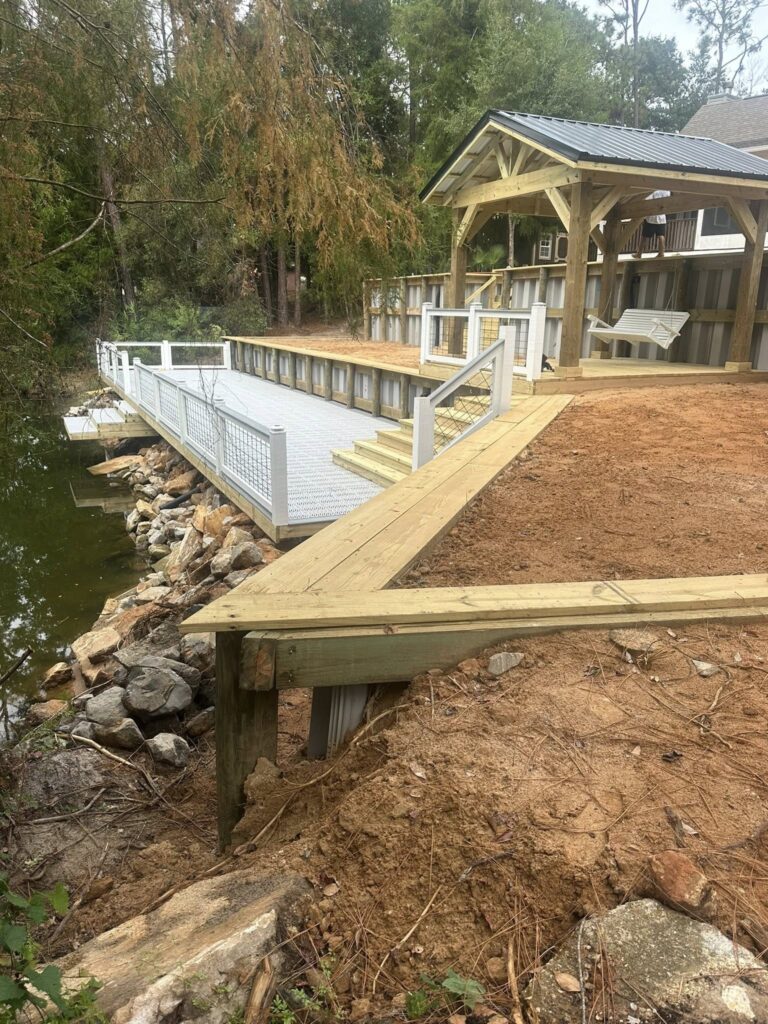
Riprap, or strategically placed large stones, remains a classic and reliable method for coastal protection. It absorbs and dissipates wave energy, preventing soil loss and stabilizing embankments. Armor stone installations can be customized to match the slope, shoreline shape, and expected wave intensity of a particular area.
Riprap is especially useful in high-energy environments, such as areas exposed to strong tidal currents or storm surges. When properly engineered and installed, it offers long-lasting protection with minimal maintenance.
Hybrid Approaches: Combining Nature and Engineering
Increasingly, the most successful waterfront projects integrate both natural and engineered solutions. Hybrid approaches might include combining a living shoreline with strategically placed riprap, reinforced seawalls behind marsh plantings, or geotextile mats under vegetated areas.
These combined strategies leverage the strengths of both approaches—structural resilience from engineered components and ecological benefits from natural elements. This integration not only protects property but also supports wildlife, improves water quality, and enhances recreational value along the waterfront.
Planning and Long-Term Maintenance
Innovative solutions are only effective if paired with careful planning and ongoing maintenance. Regular inspections, sediment monitoring, and timely repairs are crucial for sustaining the effectiveness of erosion control measures. Predictive modeling and site-specific engineering plans ensure that waterfront protection strategies are tailored to the unique conditions of each location.
Long-term maintenance also includes adaptive strategies, allowing property owners to respond to changing conditions such as sea-level rise, storms, or shifts in water flow. A proactive approach extends the life of protective structures while preserving both property value and environmental integrity.
Conclusion
Coastal erosion and waterfront protection are critical concerns for the Gulf Coast and other shoreline communities. With innovative solutions such as living shorelines, reinforced seawalls, geotextiles, riprap, and hybrid approaches, property owners can safeguard their investments while supporting environmental sustainability.
The key to success lies in understanding the local conditions, selecting the right combination of natural and engineered solutions, and committing to long-term maintenance. By doing so, waterfronts can be both protected and enhanced, ensuring resilience, beauty, and functionality for years to come.