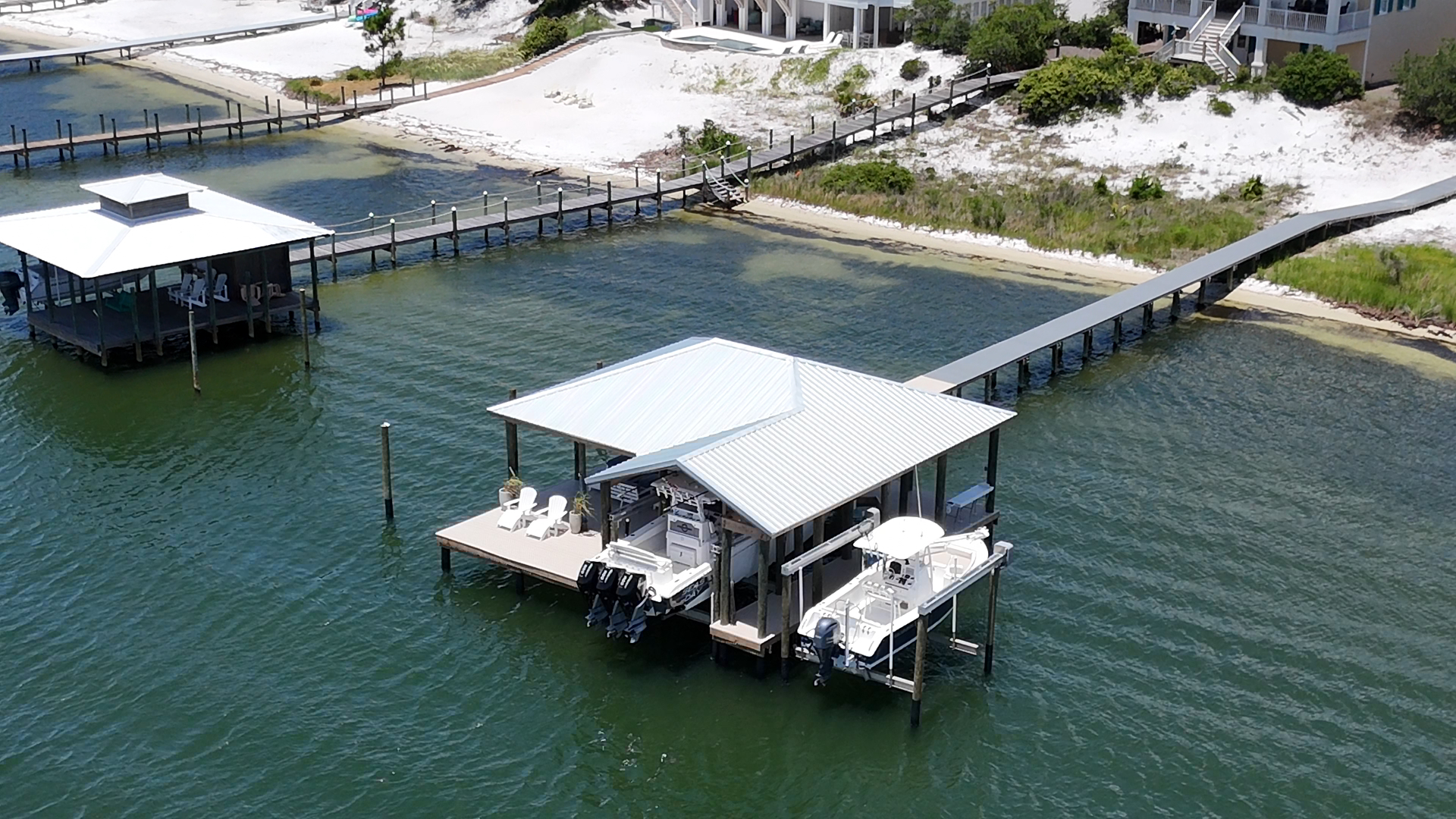

Coastal properties offer breathtaking views, recreational opportunities, and a connection to the water that few other locations can match. But with these advantages comes unique challenges, from tides and erosion to storms and shifting soils. This is where marine construction comes in. Whether you’re planning a dock, seawall, bulkhead, or shoreline stabilization project, understanding the basics of marine construction is essential for protecting your property, enhancing its functionality, and ensuring long-term resilience.
What Is Marine Construction?
Marine construction refers to the design, building, and maintenance of structures in and around bodies of water, including oceans, bays, rivers, and lakes. This can include docks, piers, boat lifts, seawalls, bulkheads, marinas, and other water-adjacent infrastructure. Unlike typical land-based construction, marine projects must account for water dynamics, tidal changes, erosion, and environmental regulations. These factors require specialized knowledge, materials, and equipment to ensure structures are safe, durable, and environmentally responsible.
Common Types of Marine Construction Projects
Docks and Piers
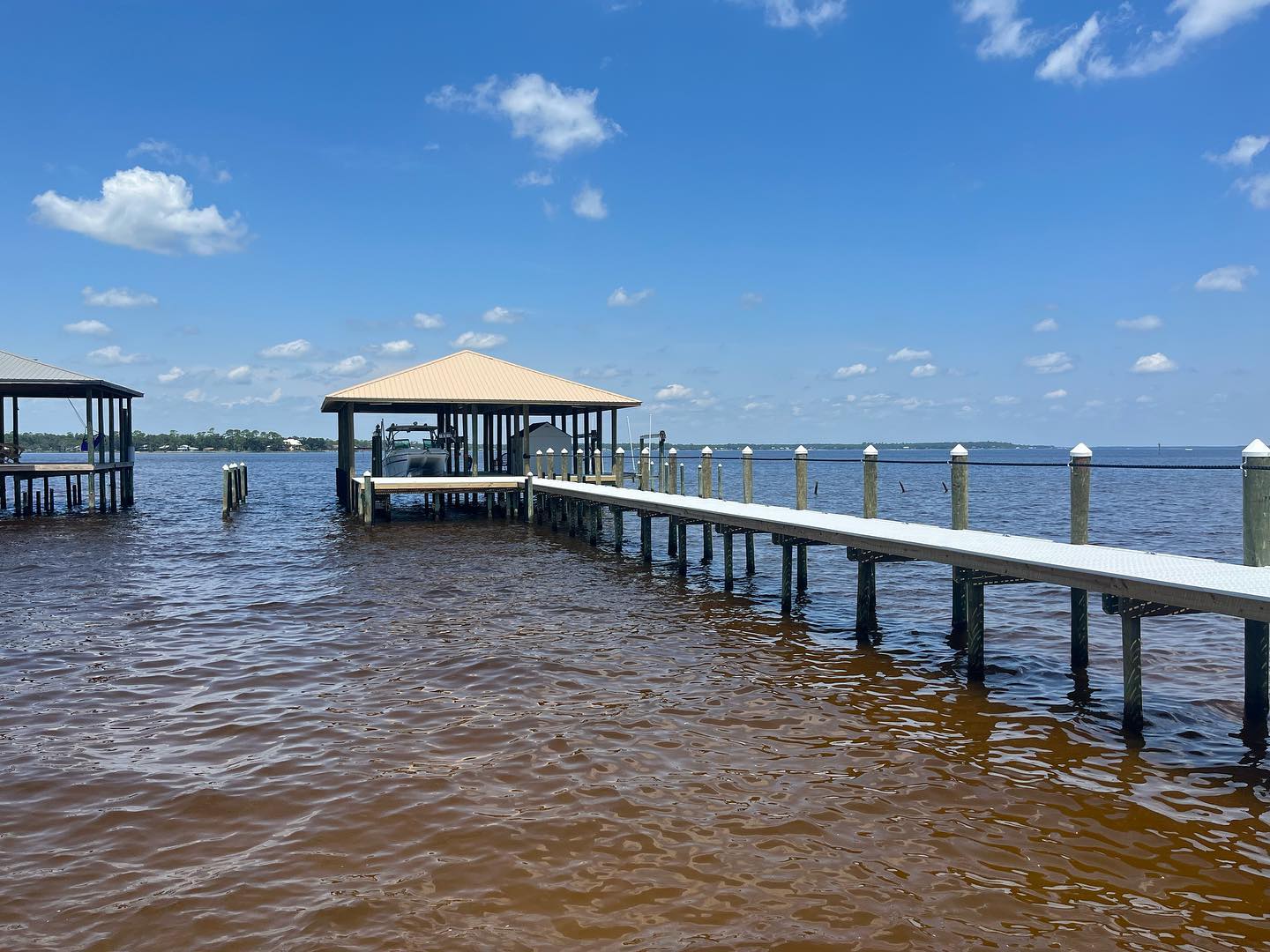
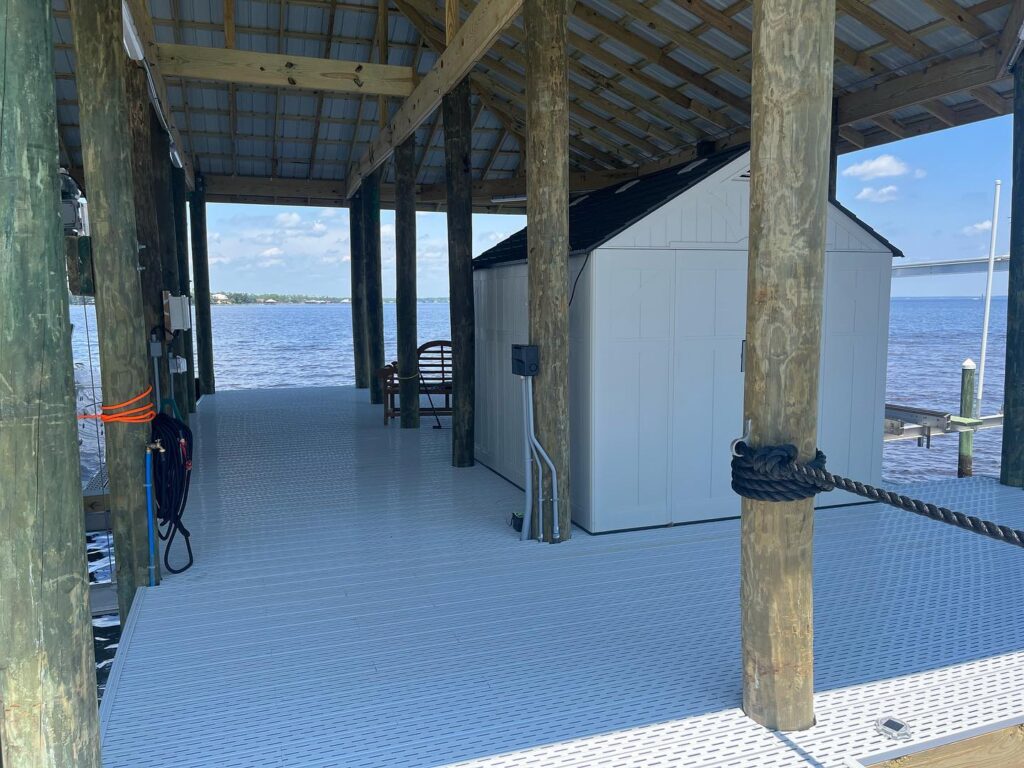
Docks and piers provide access to the water for boating, fishing, and recreational activities. They can range from small residential docks to larger commercial piers. Key considerations include water depth, tidal variations, load capacity, and materials that can withstand constant exposure to water and weather.
Seawalls and Bulkheads
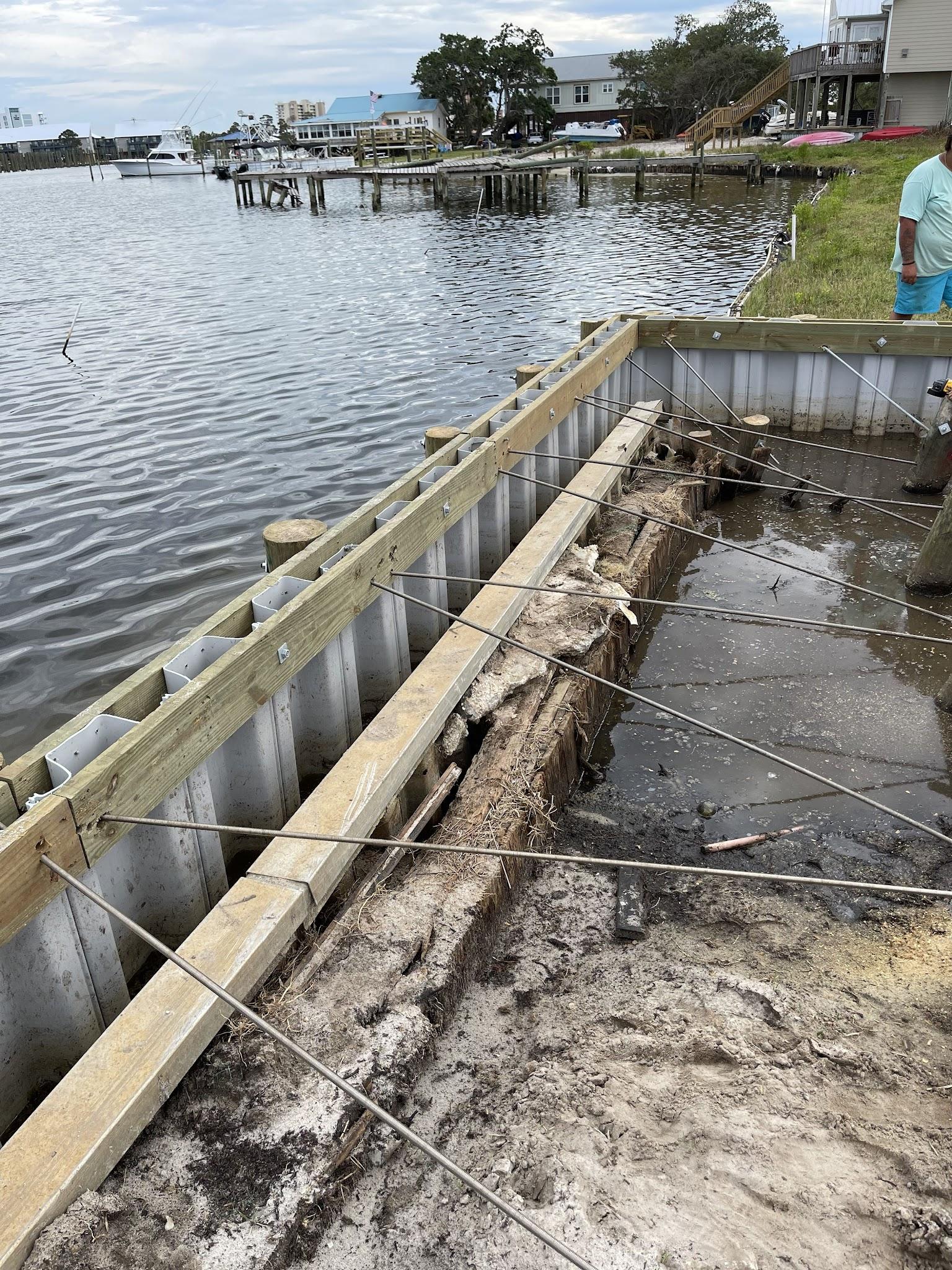
Seawalls and bulkheads protect shorelines from erosion, storm surge, and wave action. They stabilize soil and prevent property loss, especially in coastal areas prone to hurricanes or high tides. Proper design ensures these structures are both functional and long-lasting.
Boat Lifts and Marinas
Boat lifts and marina construction provide safe and accessible storage for boats and other watercraft. These projects require precision engineering to ensure stability, ease of use, and resistance to corrosion or marine wear.
Shoreline Stabilization
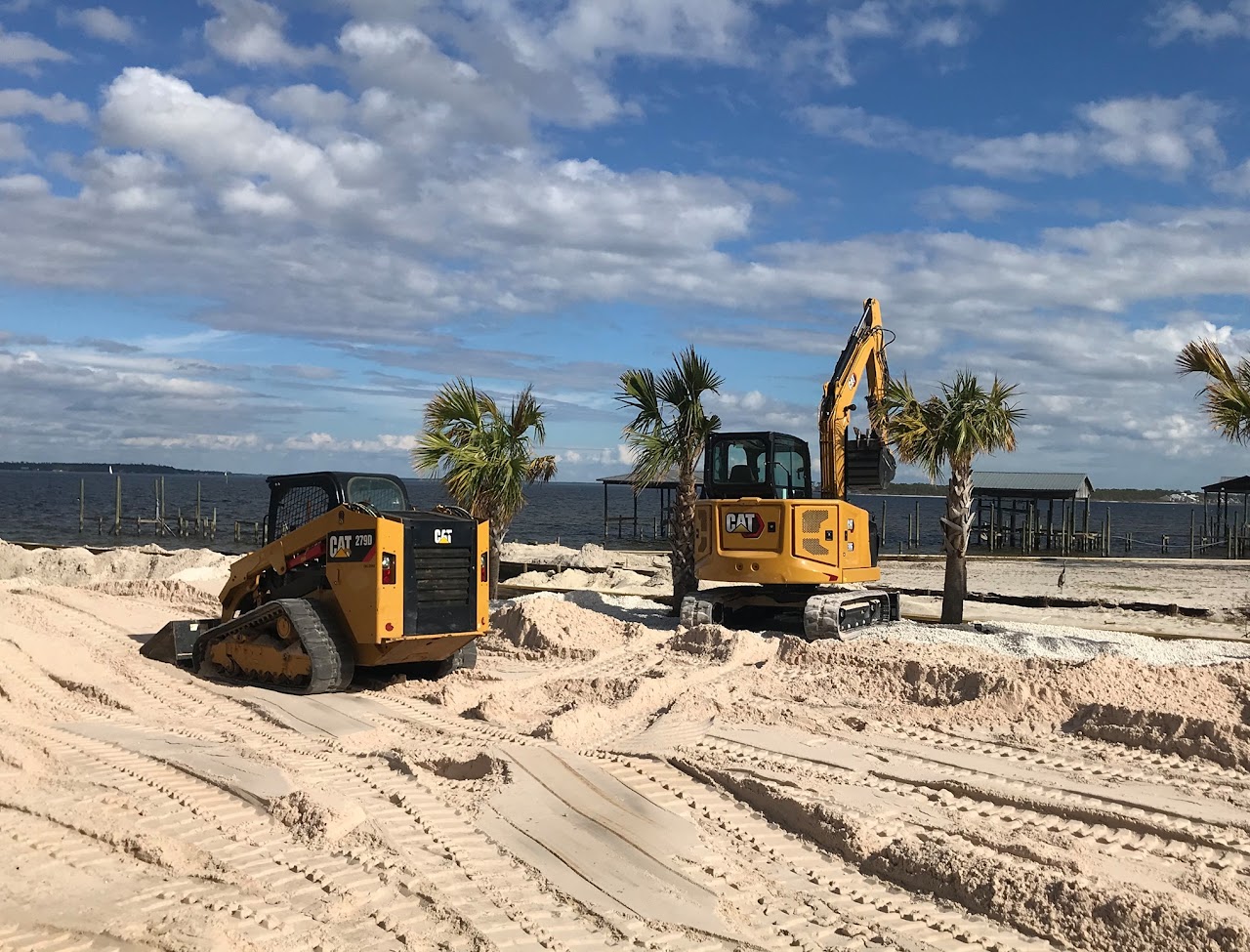
Shoreline stabilization projects involve techniques to prevent erosion, manage sediment, and protect waterfront property. This can include riprap placement, retaining walls, vegetation planting, or a combination of methods tailored to the specific site conditions.
Benefits of Marine Construction for Coastal Properties
Property Protection
One of the primary benefits of marine construction is protecting your investment. Properly designed seawalls, bulkheads, and shoreline stabilization measures prevent erosion, reduce flood risk, and safeguard the foundation of waterfront structures.
Enhanced Functionality
Marine construction transforms your property from a passive waterfront lot to a functional, accessible space. Docks, piers, and lifts make boating and water recreation easier, while stabilized shorelines allow for safer outdoor living spaces.
Increased Property Value
Investing in marine infrastructure often increases the overall value of your property. Prospective buyers are drawn to waterfront homes that are safe, accessible, and ready for water-based activities. Well-designed marine structures also improve aesthetics, creating a polished, appealing look for the property.
Long-Term Durability
Marine construction projects are designed with durability in mind. Using materials such as treated lumber, composite decking, reinforced concrete, or steel ensures that structures can withstand saltwater exposure, storms, and daily wear, giving property owners peace of mind for years to come.
Key Considerations for Successful Marine Construction
Site Assessment
Before any construction begins, a thorough site assessment is critical. This includes evaluating water depth, current and tidal patterns, soil composition, and environmental factors. Understanding these elements ensures the structure will perform effectively under local conditions.
Materials Selection
Materials used in marine construction must resist corrosion, decay, and damage from constant exposure to water. Options include pressure-treated wood, composite decking, reinforced concrete, and corrosion-resistant metals. Choosing the right materials enhances longevity and minimizes maintenance.
Permitting and Regulations
Marine construction often requires permits and adherence to local, state, and federal regulations. These rules protect the environment, ensure safety, and prevent conflicts with navigable waterways. Working with experienced professionals helps streamline the permitting process and ensures compliance.
Professional Expertise
Marine construction is specialized work that requires engineering knowledge, precision, and experience. Partnering with professionals who understand the challenges of coastal environments ensures that projects are completed safely, efficiently, and with high-quality results.
Maintaining Your Marine Structures
Once construction is complete, proper maintenance is essential for longevity. Regular inspections, cleaning, and timely repairs prevent minor issues from becoming major problems. For example, wooden docks may require sealing, metal components may need rust treatment, and concrete surfaces should be checked for cracks or erosion. A proactive maintenance plan keeps marine structures functional, safe, and visually appealing year-round.
Conclusion
Marine construction is an investment in both the safety and enjoyment of your coastal property. From docks and piers to seawalls, bulkheads, and shoreline stabilization, these projects protect your land, enhance usability, and increase property value. By understanding the basics, selecting the right materials, and working with experienced professionals, property owners can maximize the benefits of waterfront living while minimizing risks. Whether you’re looking to build a private dock or reinforce your shoreline, marine construction provides the tools and expertise to create durable, functional, and beautiful coastal structures.