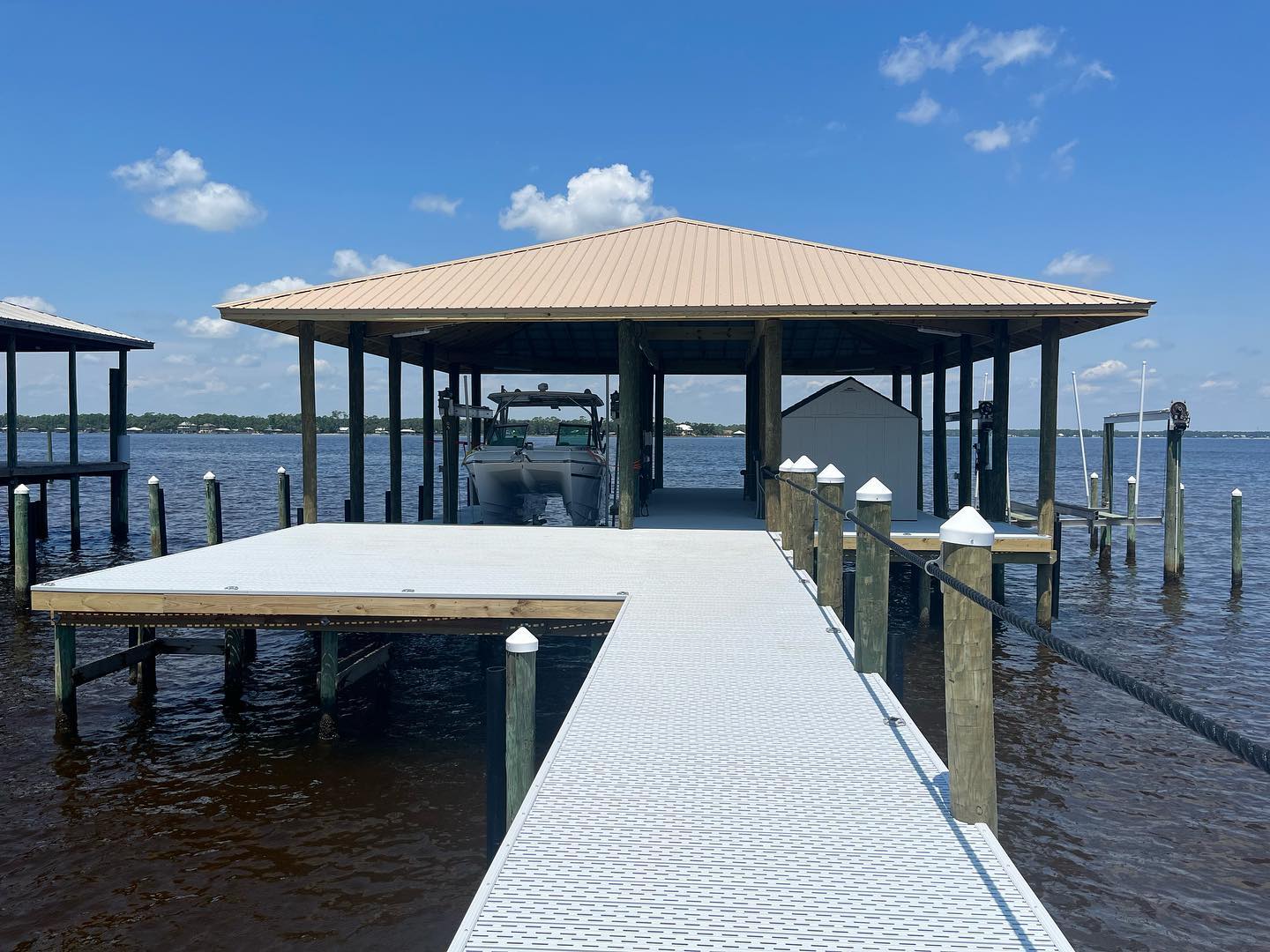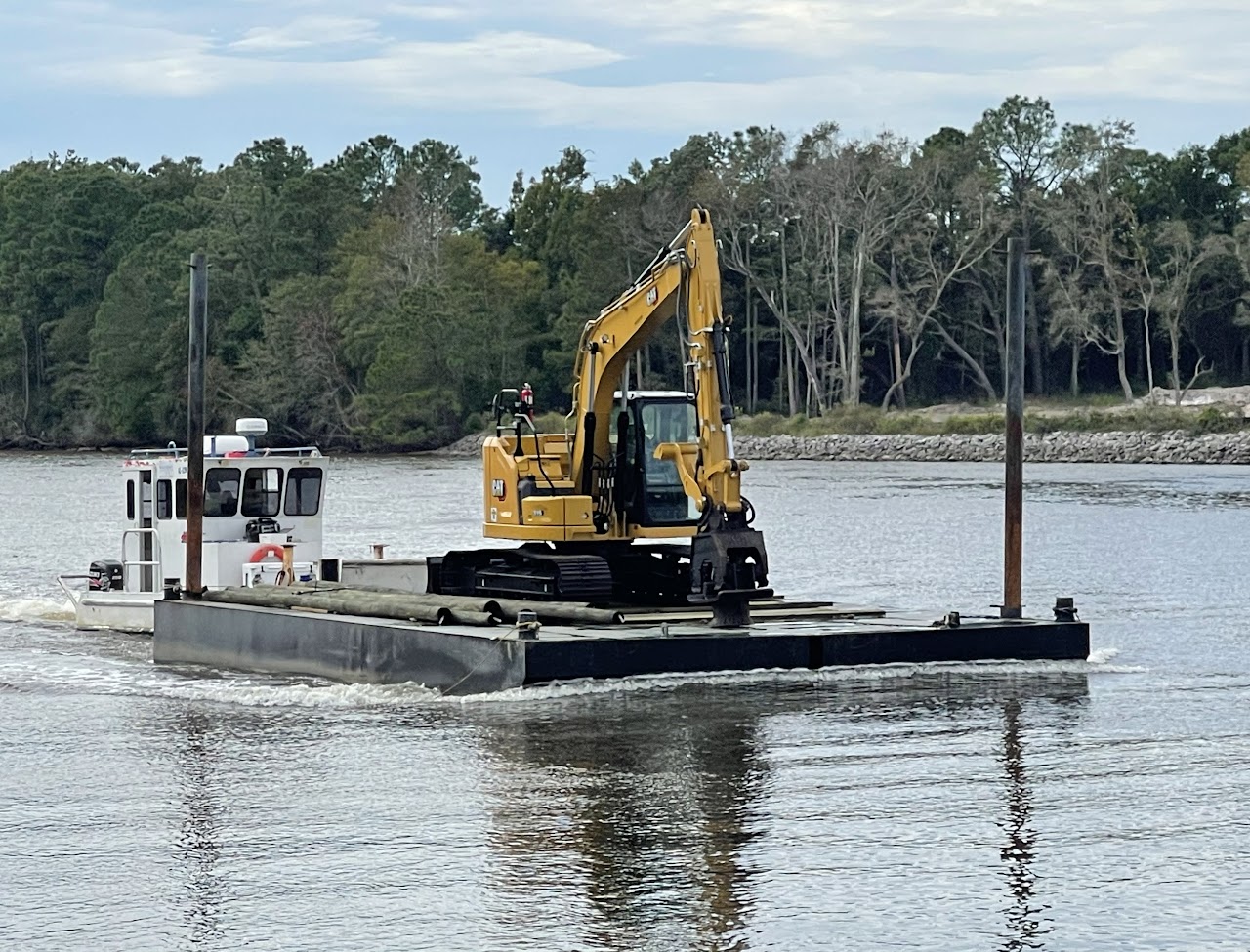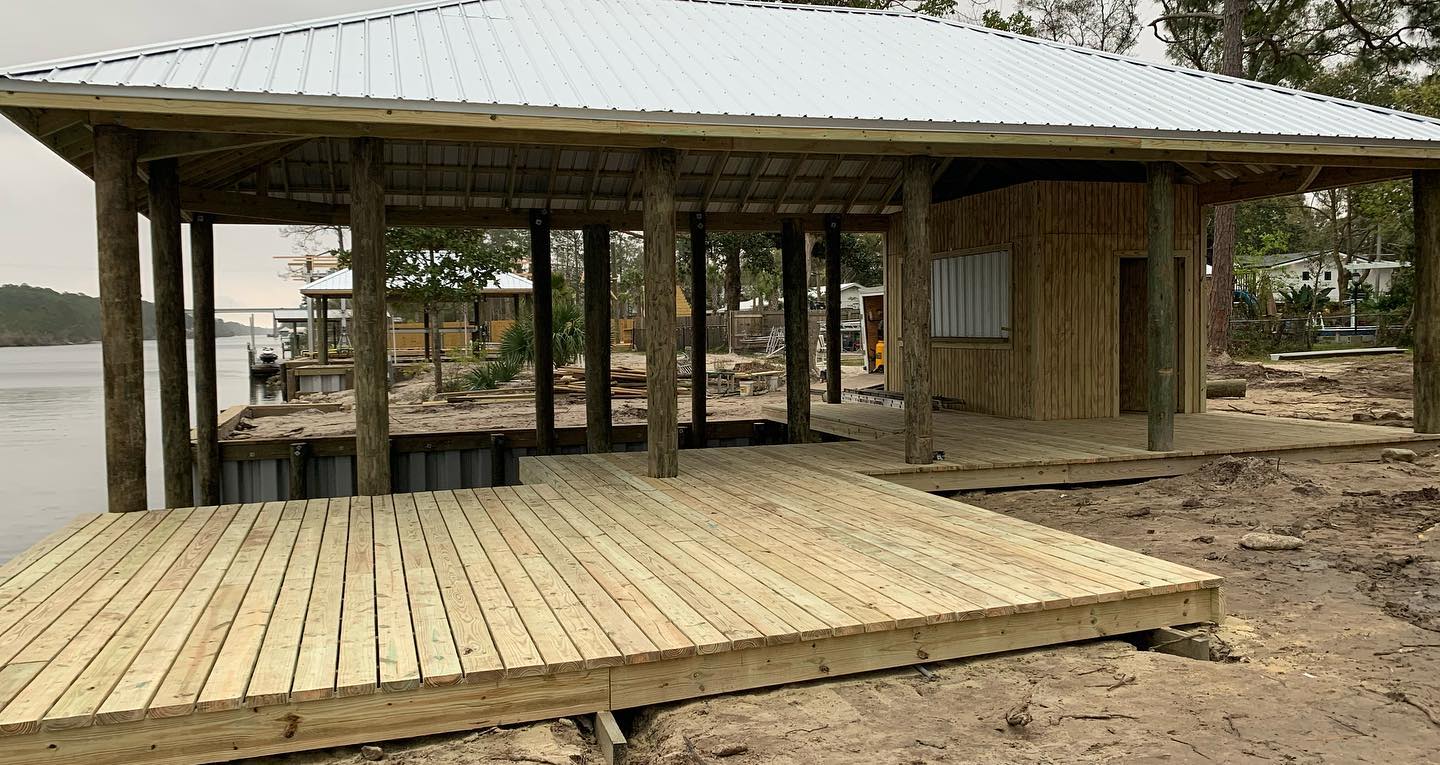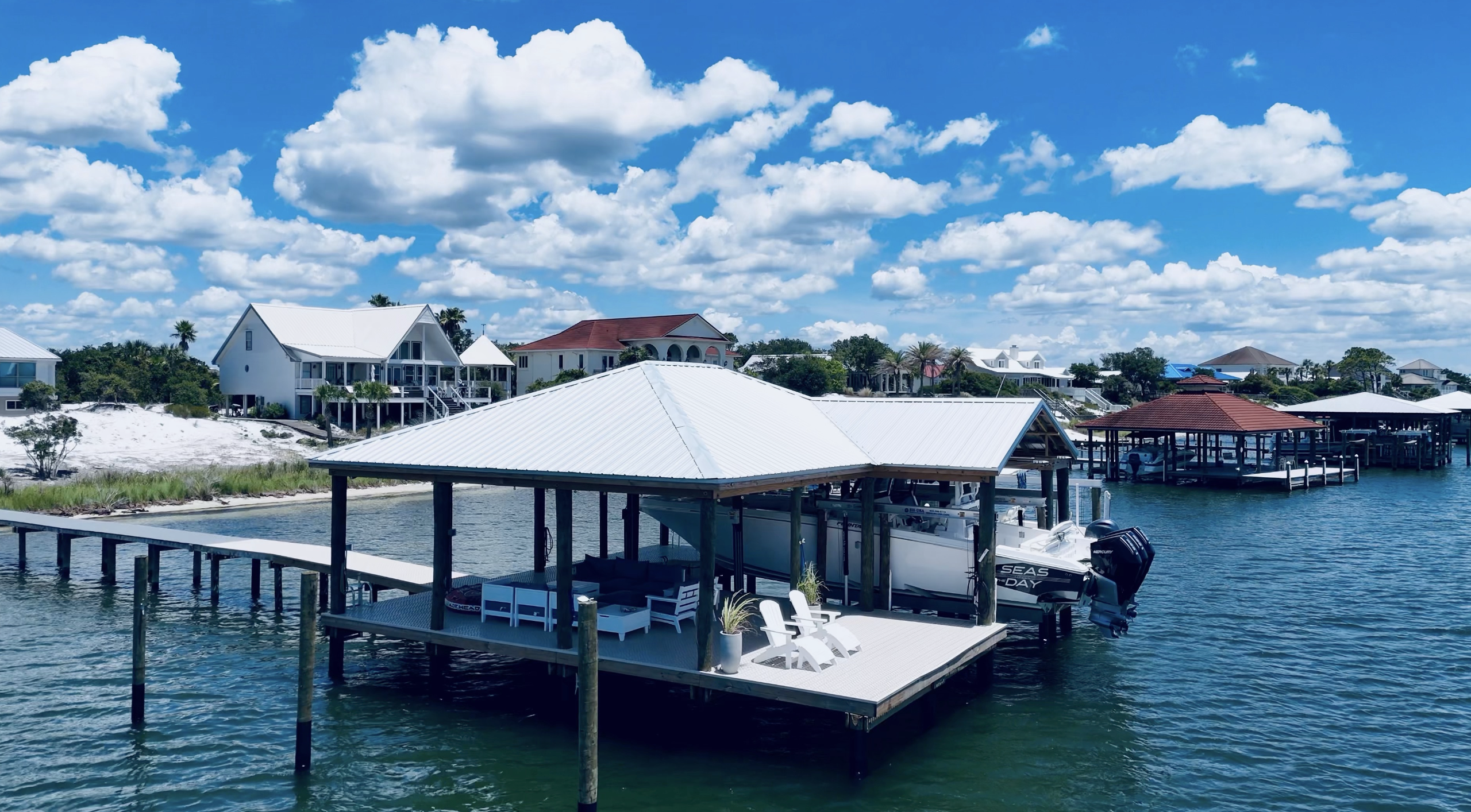
When people think about construction and land development along the Gulf Coast, marine construction may be one of the first services that comes to mind. However, preparing a property for its next stage often involves much more than work along the water. From grading and site preparation to hauling materials and moving dirt, having the right equipment and an experienced team can make a significant difference in how a project comes together.
At GCLM, marine construction is only one part of what the company does. GCLM also provides dirt work, site preparation, material hauling, and other services that help property owners and contractors move projects forward. Whether a property needs to be prepared for future construction, an area needs to be graded, or materials need to be transported to a jobsite, having access to the right equipment and services can simplify the process.
Understanding the role of dirt work, site preparation, and material hauling can help property owners make better decisions when planning their next project.
More Than Marine Construction
Marine construction is an important part of GCLM’s capabilities, but not every project takes place on the water. Land development, property improvements, construction preparation, and material transportation can all require heavy equipment and dependable service.
Every property presents different challenges. Some sites may need grading before construction begins, while others may require dirt to be moved or materials delivered to the right location. Projects can also involve uneven terrain, limited access, or existing site conditions that must be addressed before the next phase of work can begin.
Having a company that can handle multiple aspects of a project gives property owners and contractors another option when coordinating their work. Instead of viewing each task as an isolated service, it helps to consider how dirt work, equipment, and hauling fit together to support the overall project.
GCLM works with customers who need more than marine construction, offering additional services that support land preparation and development.
Why Site Preparation Matters
Site preparation is one of the most important steps in many construction and property improvement projects. Before a building, driveway, or other improvement can move forward, the ground may need to be evaluated, cleared, graded, or otherwise prepared for the intended use.
Starting with a properly prepared site can help reduce complications later in the project. When existing ground conditions are not addressed, contractors may encounter unexpected elevation changes, unsuitable soil conditions, or other obstacles that affect the work.
Site preparation can involve several different tasks depending on the property and the project’s requirements. These may include moving soil, adjusting ground elevations, grading designated areas, and coordinating the delivery or removal of materials.
The specific work needed depends on factors such as the existing terrain, drainage requirements, intended use of the property, and construction plans. Some properties may require only minor grading, while others need more extensive earthwork before construction can begin.
Planning these steps early helps property owners understand what their site requires and determine which services should be scheduled before the next phase of work.
Dirt Work and Grading for Property Improvements
Dirt work can serve a variety of purposes, from preparing a construction site to improving the usable areas of a property. Moving and grading soil can help establish the elevations needed for a planned improvement, create more consistent ground surfaces, and prepare designated areas for additional work.
Grading is especially important because the shape and slope of the ground influence how a property functions. Depending on the project, grading may be needed to prepare a building area, establish a driveway base, improve access, or create a more suitable surface for future construction.
However, grading is not simply a matter of moving dirt from one place to another. The work must account for the property’s layout, the desired finished elevations, and how water is expected to move across the site. Poorly planned grading can contribute to erosion, standing water, or other problems.
That is why it is important to identify the project’s goals before equipment arrives at the property. Knowing what the finished area needs to accomplish helps guide decisions about the amount of earthwork required and the materials that may be needed.
For property owners planning improvements, discussing the scope of the project with an experienced contractor can help establish a clearer path from the existing conditions to the desired result.
Material Hauling: Getting the Right Materials to the Jobsite
Construction and land improvement projects often depend on materials being available when and where they are needed. Dirt, sand, clay, limestone, rip rap, compost, and topsoil can all serve different purposes depending on the job.
Moving these materials requires suitable hauling equipment and coordination. The type of material, the quantity required, site access, and the intended application all influence how deliveries should be planned.
For example, a site preparation project may require fill material to establish the planned grade. A property improvement project might call for topsoil, while another job may require sand, clay, limestone, or rip rap for a specific construction purpose.
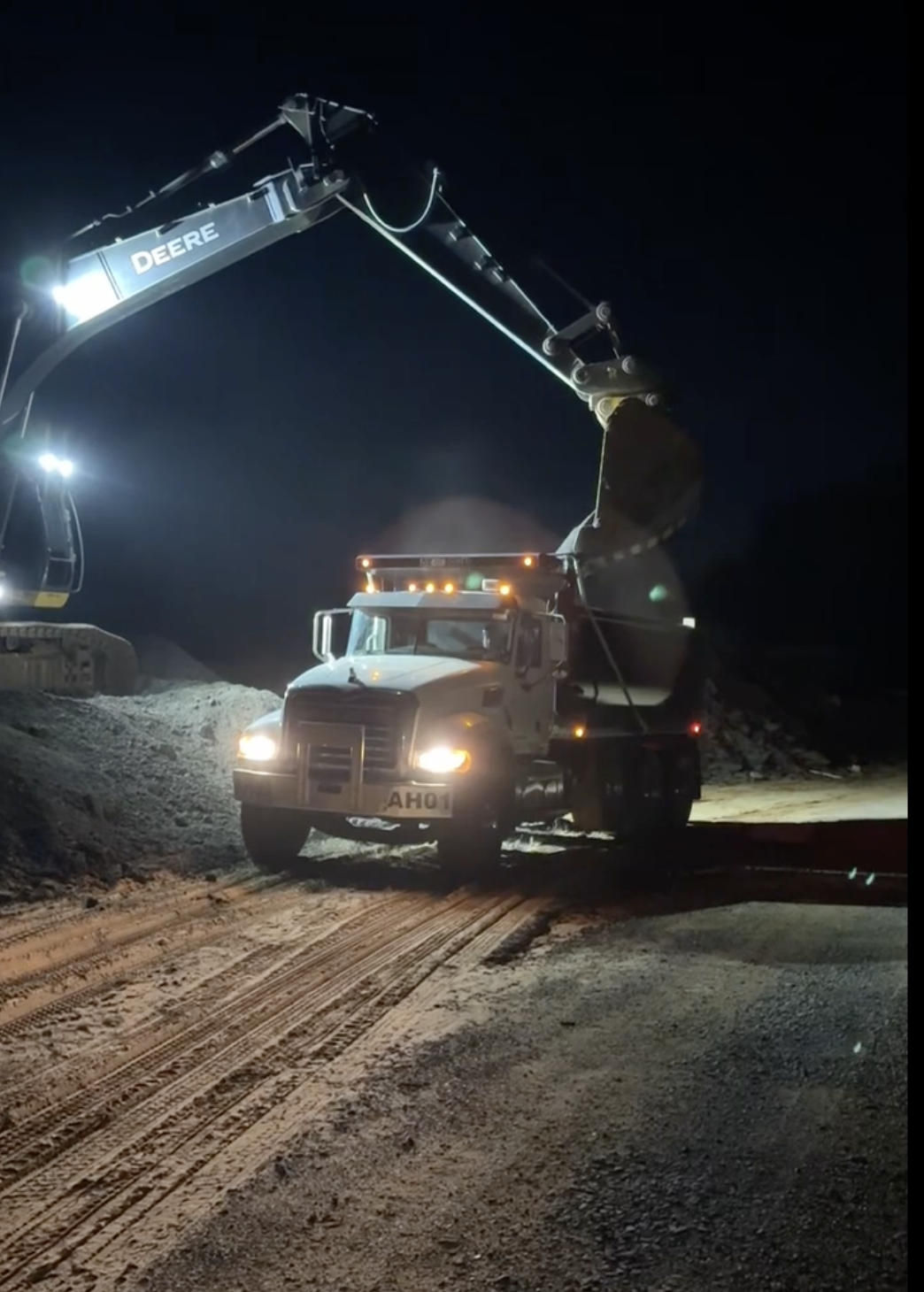
GCLM provides hauling services using tri-axle and single-axle dump trucks, along with dump trailers. This equipment supports the transportation of materials for a variety of project needs.
Choosing the appropriate material is just as important as arranging delivery. Different materials have different characteristics, and the best option depends on how the material will be used. Soil composition, compaction requirements, load-bearing needs, and exposure to water can all influence material selection.
Before ordering materials, property owners and contractors should identify the purpose of the work, estimate the quantity needed, and confirm that the selected material is appropriate for the application.
Coordinating hauling with the broader project schedule can also help prevent delays and reduce the chance of materials arriving before the site is ready to receive them.
The Role of Heavy Equipment in Land Development
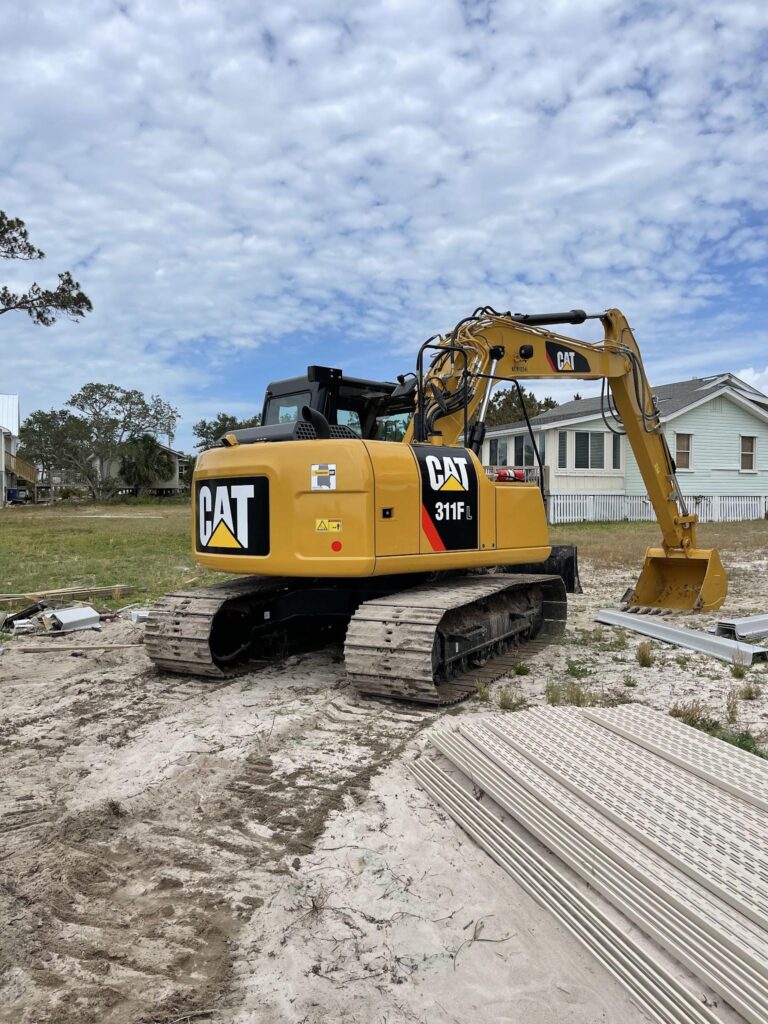
Heavy equipment makes it possible to complete earthwork and site preparation tasks that would otherwise be difficult, time-consuming, or impractical. Excavators and other construction equipment can move substantial amounts of soil, shape designated areas, and assist with preparing land for its intended use.
The equipment required depends on the project’s size, site conditions, and scope of work. A smaller property improvement may have different requirements than a larger development site that needs significant grading and material movement.
Equipment selection also matters when considering site access and working conditions. The available space, terrain, soil conditions, and location of existing structures can influence which machines are appropriate for a job.
Using suitable equipment helps the work progress more efficiently when it is matched to the task and operated with proper planning. It is also important to account for underground utilities, property boundaries, environmental considerations, and any required permits before beginning excavation or major earthwork.
GCLM’s heavy equipment and hauling capabilities support projects that require dirt movement, site preparation, and material transportation. By identifying the work that needs to be completed before starting, customers can better coordinate equipment, deliveries, and other project requirements.
How Dirt Work, Site Preparation, and Hauling Work Together
Although dirt work, site preparation, and material hauling are separate services, they frequently overlap during a construction or land improvement project.
Consider a property that needs to be prepared for a future building or other improvement. The project may begin with an evaluation of existing ground conditions and a plan for the desired finished elevations. Depending on the site, the work may then involve moving soil, grading designated areas, and bringing in additional material.
If fill or another material is required, hauling must be coordinated with the earthwork schedule. Delivering materials at the right stage of the project allows them to be placed where needed without creating unnecessary obstacles for equipment or other contractors.
Once the necessary materials are in place, additional grading or compaction may be required according to the project’s specifications. The finished surface should meet the requirements established for the intended use of the property.
Not every project follows the same sequence. Some sites require material removal, while others need imported fill or a combination of different materials. Certain projects also require additional engineering, soil testing, erosion controls, or specialized contractors.
The key is to understand the entire scope of the work rather than looking at each task independently. When the sequence is planned properly, dirt work, hauling, and site preparation can support one another throughout the project.
Choosing Services That Fit Your Property
No two properties are exactly alike, and the right services depend on what the owner wants to accomplish. Before beginning a land improvement project, it helps to identify the problem that needs to be addressed and the result the property owner expects.
A construction site may need to be graded to meet building plans. A driveway project may require a properly prepared base and material delivery. A development site may involve larger quantities of earthwork and multiple hauling trips. Other properties may need selected areas leveled or prepared for future improvements.
The scope of work should account for the property’s current condition, accessibility, desired finished elevations, material requirements, and any applicable restrictions.
It is also important to understand what is included in a contractor’s proposed scope. Property owners should ask which tasks will be performed, what materials are needed, how deliveries will be coordinated, and whether additional services or outside specialists may be necessary.
Clear expectations help everyone involved understand the work ahead and reduce the likelihood of misunderstandings as the project progresses.
For larger or more complex projects, plans prepared by qualified engineers or other design professionals may be necessary. Local requirements and permitting rules should also be confirmed before excavation, grading, or other site work begins.
Planning Your Next Project With GCLM
Whether you are preparing land for construction, arranging material delivery, or planning improvements to an existing property, identifying the work that needs to happen first is an important part of getting started.
GCLM offers more than marine construction. Its services also include dirt work, site preparation, material hauling, and the transportation of materials such as sand, clay, limestone, rip rap, compost, topsoil, and fill. With tri-axle and single-axle dump trucks and dump trailers, GCLM can support projects that require equipment and material transportation.
Every job has its own requirements, so the best starting point is a conversation about the property, the intended improvements, and the work that needs to be completed. Understanding those details helps determine which services may be appropriate and how the project can be approached.
From preparing a site to moving materials where they need to go, GCLM helps customers tackle the work beyond the waterfront.
More Than Marine Construction. We Move Dirt, Too.
Your next project may involve marine construction, land development, grading, site preparation, or material hauling. Whatever the scope, planning the work and identifying the right services are important first steps.
If you have a project that requires dirt work, hauling, or site preparation, contact GCLM to discuss your needs and request an estimate.
GCLM: Heavy equipment, material hauling, and site work to help move your project forward.