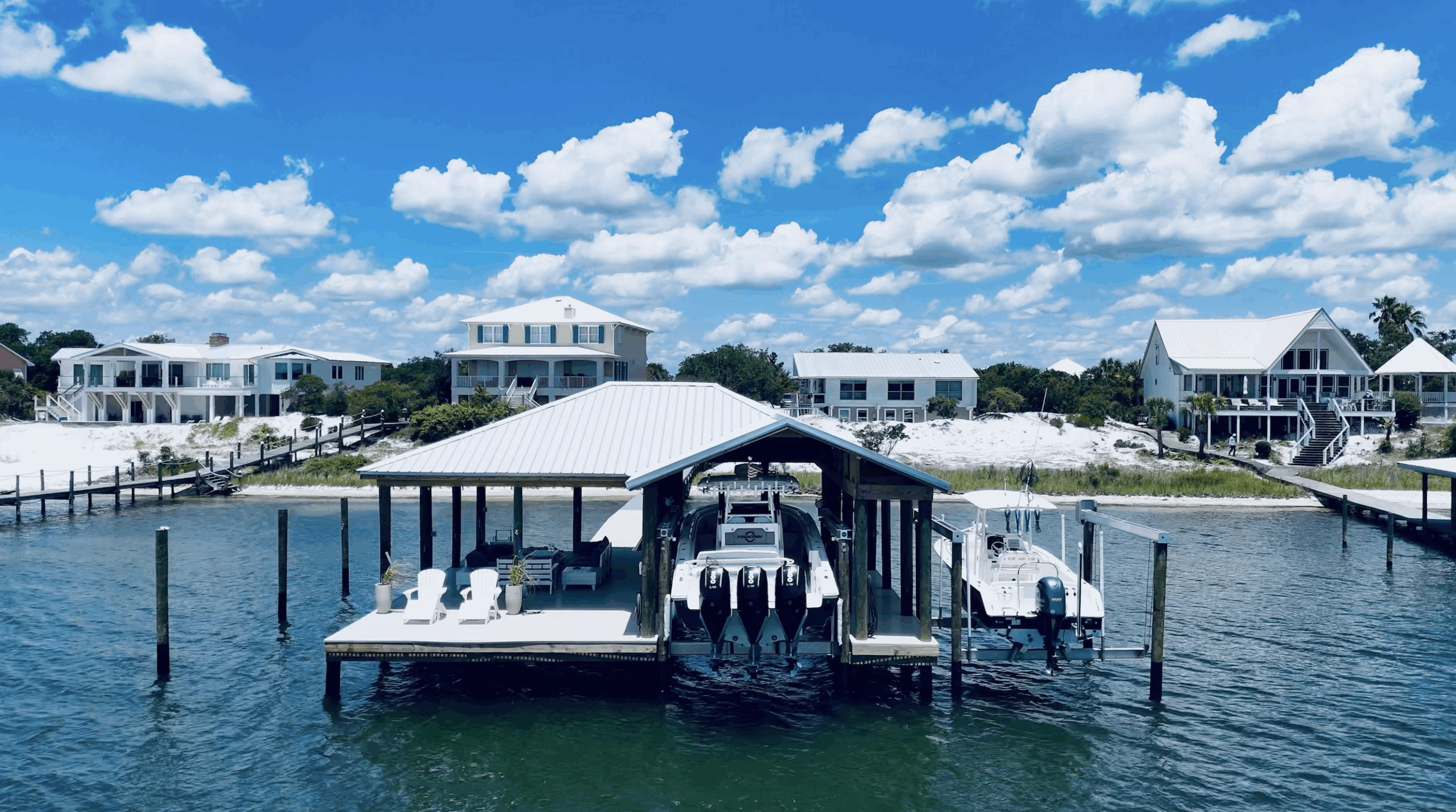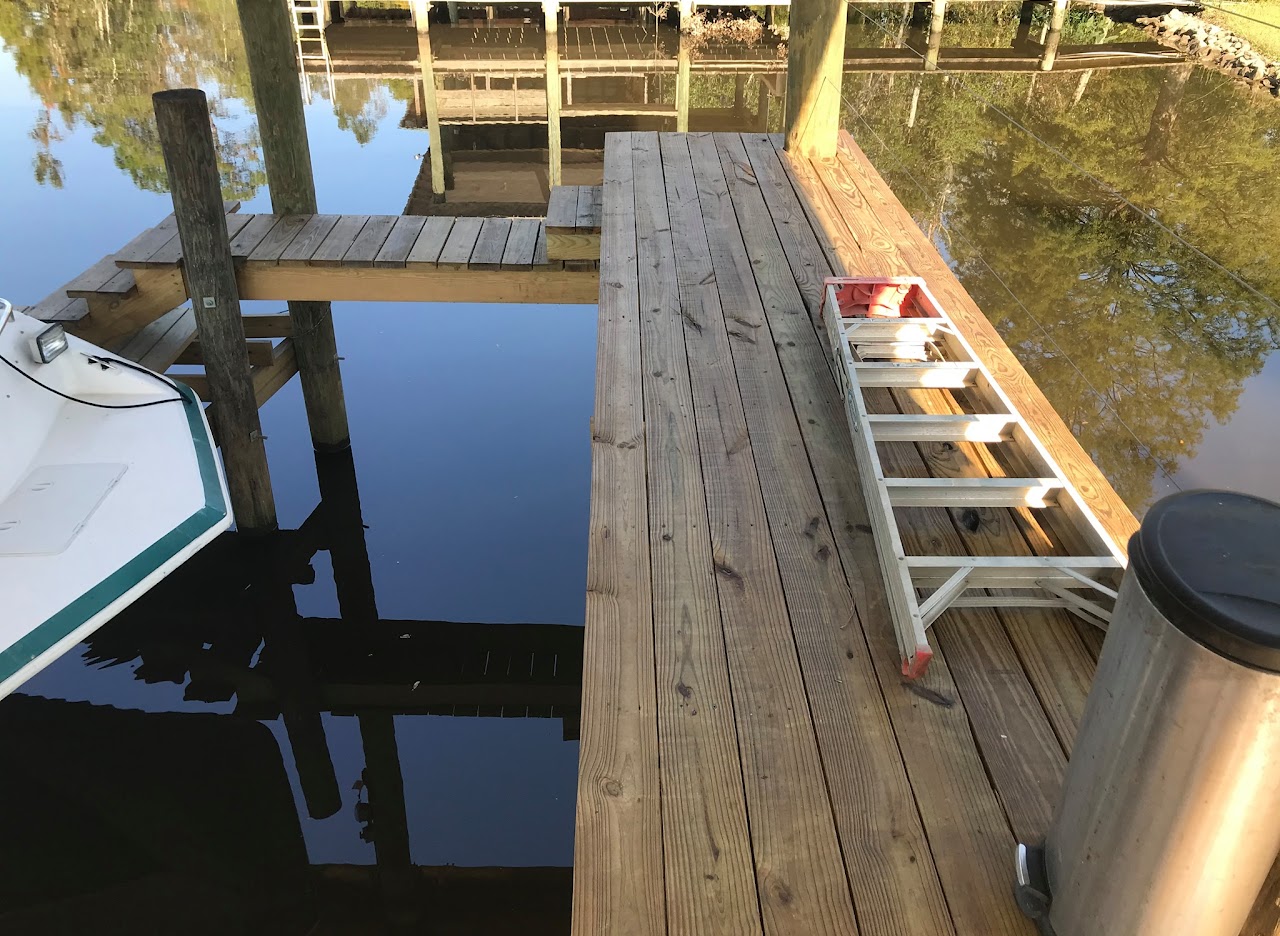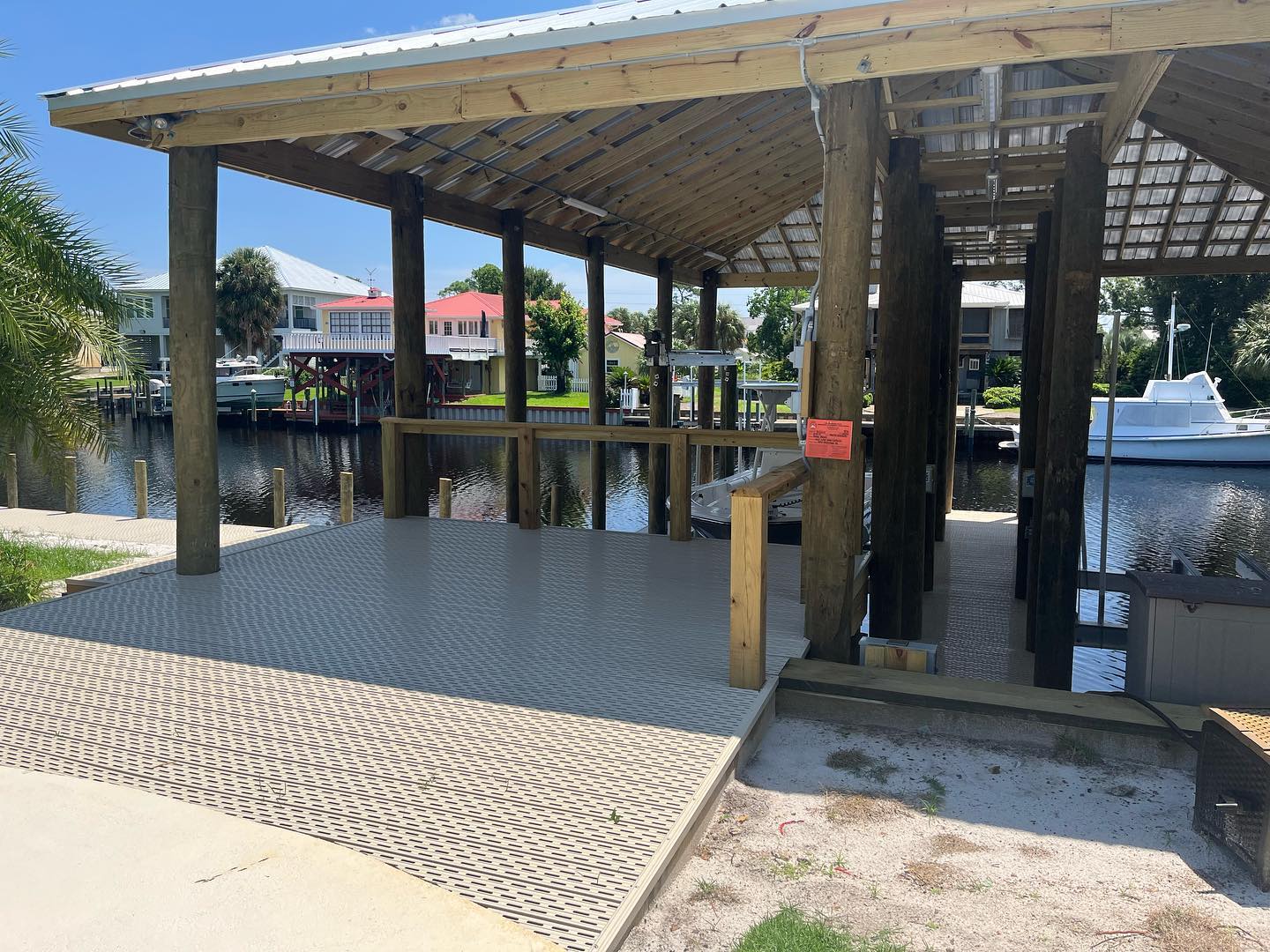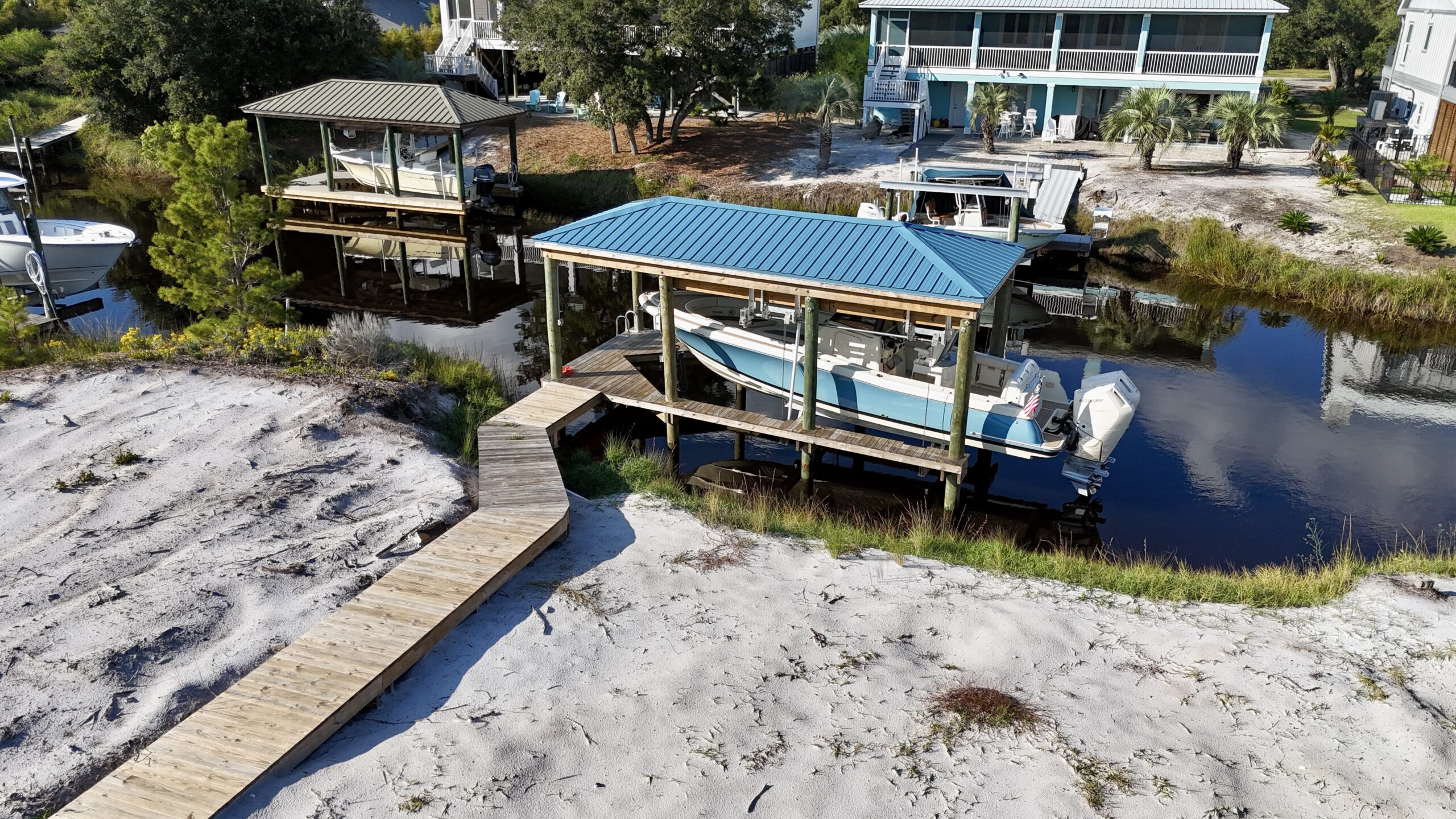
Coastal properties face unique challenges, from high winds and storm surges to erosion and flooding. For property owners along the Gulf Coast, resilience is not optional; it is essential. Thoughtful planning and specialized construction techniques can safeguard both land and marine structures, ensuring long-term stability and minimizing costly damage during severe weather events.
Understanding Coastal Vulnerabilities
Coastal areas are constantly exposed to natural forces that threaten the integrity of homes, commercial buildings, docks, seawalls, and other infrastructure. Storm surges can inundate properties with water, leading to erosion and structural instability. High winds can damage roofs, siding, and fragile outdoor elements, while repeated exposure to saltwater accelerates corrosion in metal and concrete components. Understanding these vulnerabilities is the first step in designing structures that withstand coastal storms.
Elevated Foundations for Flood Protection
One of the most effective ways to protect coastal properties is through elevated foundations. Piling systems are widely used to raise homes and structures above base flood levels, reducing the risk of water intrusion during storm surges. Deep pilings are driven into stable soil or bedrock to support the weight of the building while remaining resistant to lateral forces caused by waves and wind. By elevating the structure, water passes beneath rather than against the foundation, greatly reducing the likelihood of damage.
Tiered Retaining Walls for Erosion Control
Erosion is a common concern for waterfront properties, particularly during storms and high tides. Tiered retaining walls stabilize sloped areas and prevent soil from washing away. These walls are often reinforced with pilings and marine-grade materials to ensure long-term durability. Proper drainage techniques work hand in hand with retaining walls to direct water safely away from vulnerable areas, reducing both erosion and structural stress.
Marine-Grade Materials for Longevity
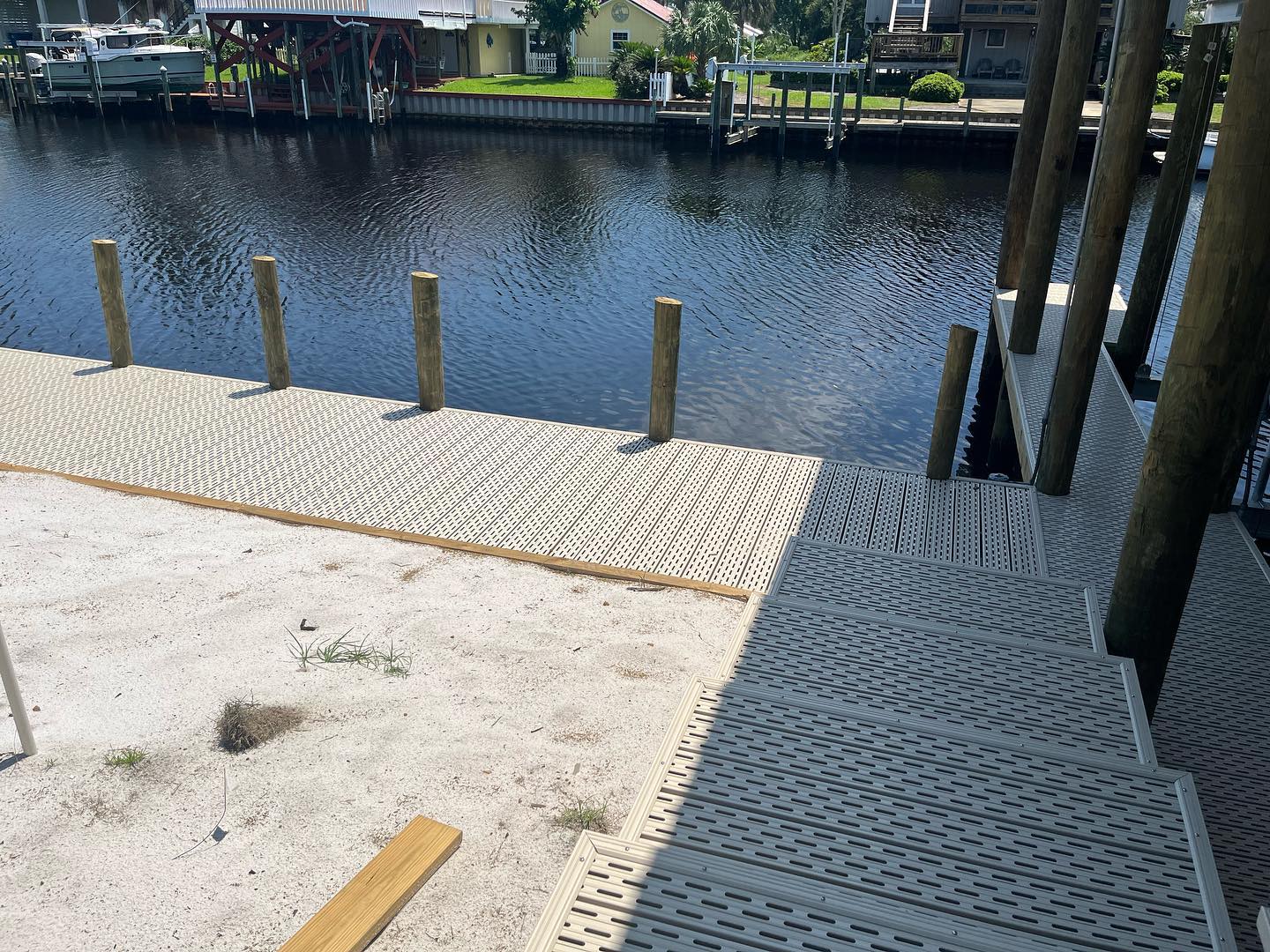
Saltwater and moisture are relentless in coastal environments. Using marine-grade materials for seawalls, docks, bulkheads, and decking significantly improves the resilience of these structures. Marine-grade lumber, treated wood, stainless steel fasteners, and specialized concrete formulations resist corrosion, rot, and decay. Investing in quality materials upfront reduces maintenance costs and extends the lifespan of your property’s key features.
Seawall Construction and Shoreline Protection
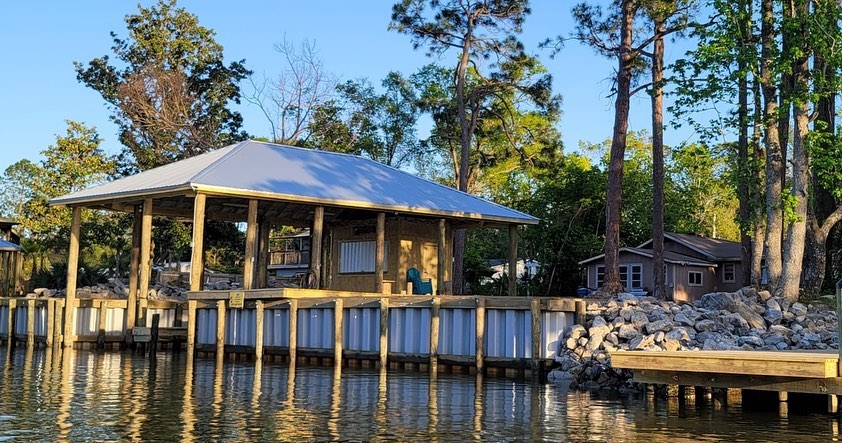
Seawalls are critical for protecting coastal land from erosion and storm surges. Properly designed seawalls absorb and deflect wave energy, minimizing the impact on your property. Construction often involves deep pilings and reinforced concrete or vinyl sheets to provide both stability and flexibility. Modern designs may incorporate tiered or sloped faces that dissipate wave energy more efficiently, protecting both the shoreline and built structures.
Planning for Wind Resistance
High winds can cause significant damage to coastal structures, from roof lift-off to broken windows. Construction techniques that focus on wind resistance mitigate these risks. Roofs should be designed with proper slope and attachment systems, windows can be reinforced or replaced with impact-resistant glass, and exterior connections should be reinforced with hurricane straps or clips. These measures protect the structure and enhance safety for occupants during extreme weather events.
Regular Maintenance and Inspection
Even the best-built coastal properties require ongoing maintenance to remain resilient. Routine inspections of pilings, seawalls, retaining walls, and other structural elements ensure potential vulnerabilities are addressed before a storm hits. Clearing debris, reinforcing weak points, and repairing minor damage early prevents major failure during high winds or flooding.
Working with Experienced Professionals
Building for storm resilience requires specialized knowledge of coastal engineering, materials, and construction practices. Experienced contractors and engineers can evaluate site-specific risks, recommend appropriate materials and techniques, and oversee construction to ensure adherence to best practices. Partnering with experts reduces uncertainty and increases confidence that your property is prepared to weather severe storms.
Conclusion
Coastal storms are inevitable, but the damage they cause does not have to be. By investing in elevated foundations, tiered retaining walls, marine-grade materials, seawalls, and wind-resistant designs, property owners can safeguard their investments. Combining careful planning, quality materials, and expert construction ensures that homes, businesses, and marine structures remain strong, functional, and beautiful for years to come.