Waterfront properties offer an unparalleled lifestyle, combining stunning views, recreational opportunities, and a unique connection to nature. Whether it’s a private residence, a marina, or a commercial development, the success of any waterfront project often hinges on thoughtful marine construction and, in many cases, dredging. These processes are essential for creating navigable waterways, enhancing property value, and ensuring long-term environmental stability. Understanding how dredging works, why it is necessary, and how marine construction complements it is crucial for developers, investors, and homeowners alike.
What is Dredging and Why Is It Necessary?
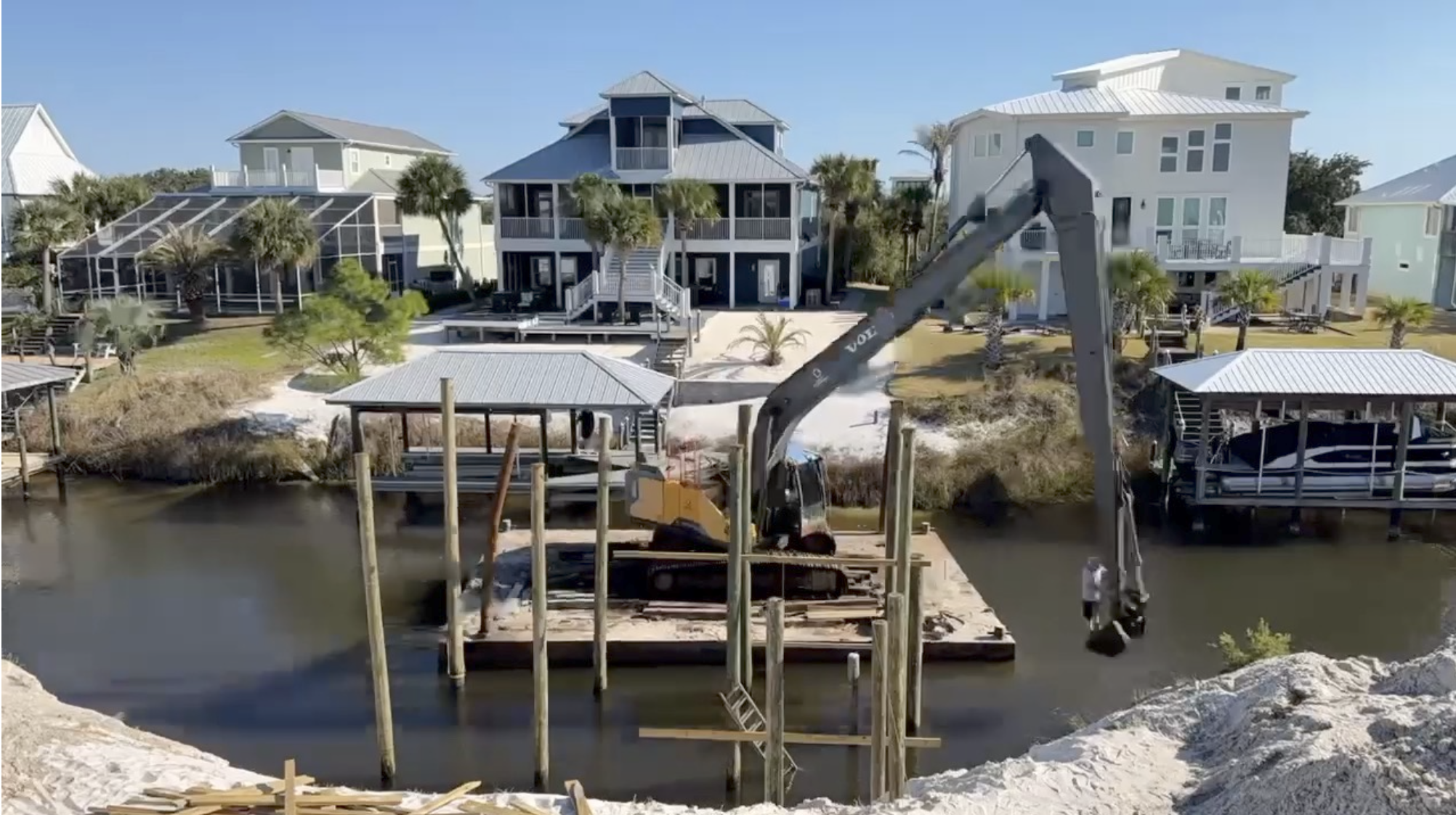
Dredging is the process of removing sediment, sand, silt, and debris from the bottom of water bodies to deepen or maintain navigable waterways. Along the Gulf Coast and other coastal regions, sediment naturally accumulates over time, reducing water depth and limiting access to waterfront properties. For homeowners, this can mean difficulties in docking boats, increased flooding risk, or challenges in maintaining waterfront landscaping.
For developers, dredging is a critical first step in preparing a site for construction or expansion. It allows for the creation of marinas, boat slips, and channels that meet safety and accessibility requirements. Without dredging, waterfront properties may lose usability, attractiveness, and long-term value.
Dredging is not only about access; it’s about environmental management. Properly executed dredging ensures that water flow remains consistent, prevents stagnation, and helps reduce the risk of erosion along the shoreline. It also supports aquatic habitats when conducted with care and in compliance with environmental regulations.
How Dredging is Done Safely
Safety and environmental responsibility are key considerations in any dredging project. The process typically begins with a thorough site assessment, including water depth measurements, sediment analysis, and environmental impact studies. This planning phase ensures that the dredging project addresses the specific needs of the site while minimizing ecological disruption.
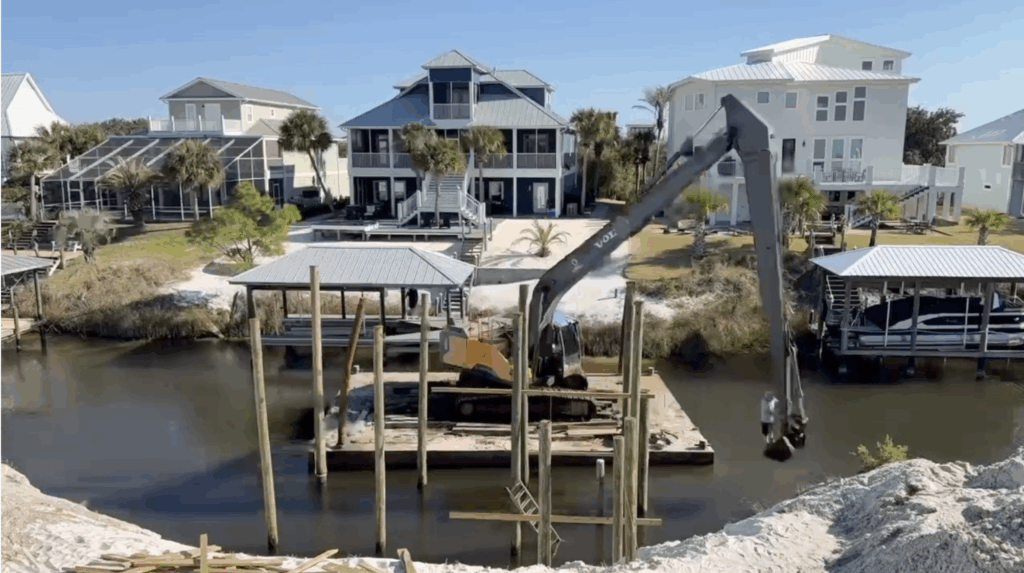
There are several common methods of dredging, each suited to different project goals. Mechanical dredging uses equipment like clamshell buckets or backhoes to remove sediment. Hydraulic dredging employs suction pumps to move sediment and water to a designated disposal area. Both methods require experienced operators and careful monitoring to avoid over-excavation or damage to nearby structures and ecosystems.
Compliance with local, state, and federal regulations is essential. Permits from agencies such as the U.S. Army Corps of Engineers often dictate the timing, method, and disposal options for dredging projects. Following these regulations not only protects the environment but also shields property owners and developers from legal complications.
Marine Construction: Building Waterfront Infrastructure
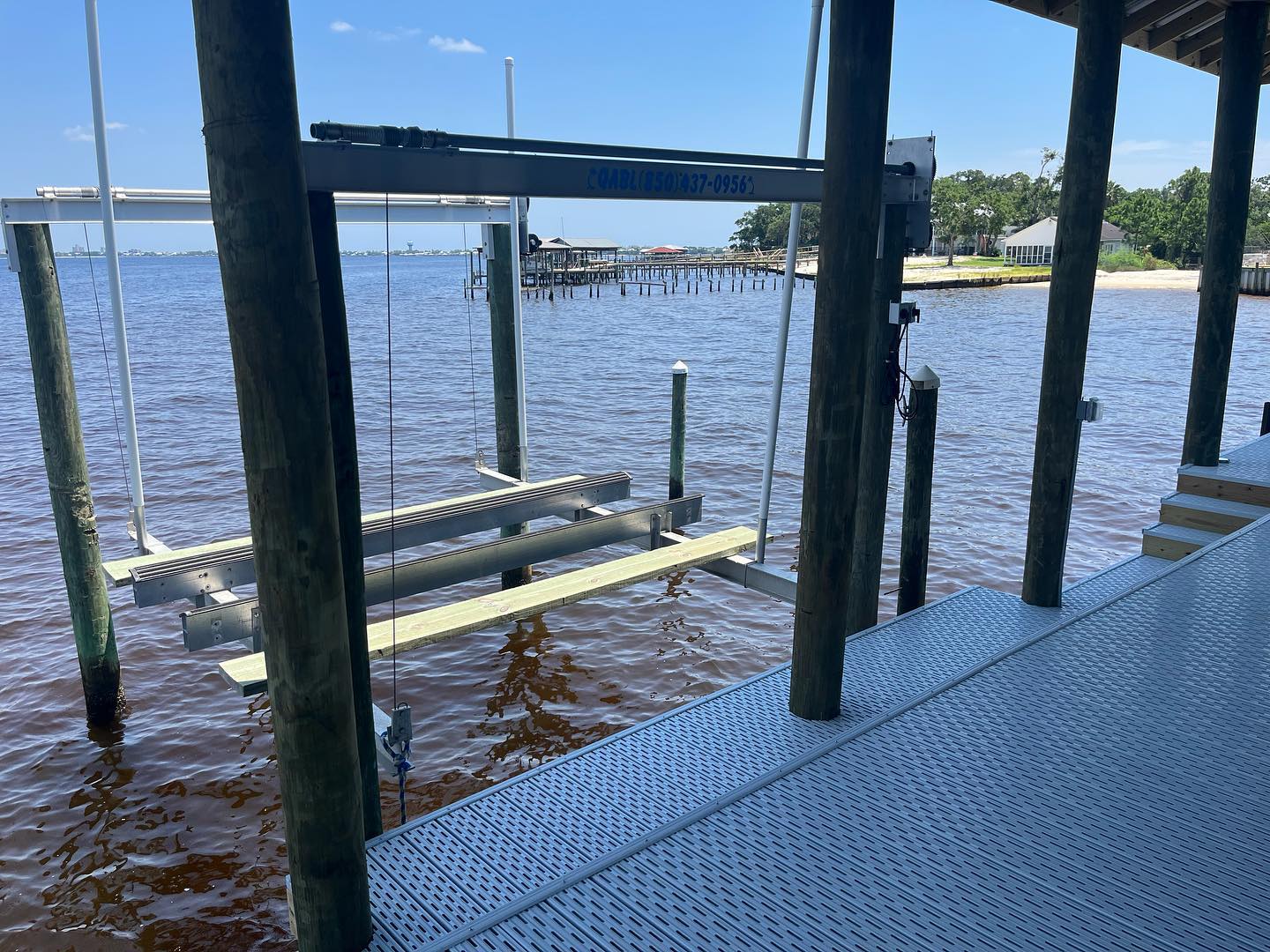
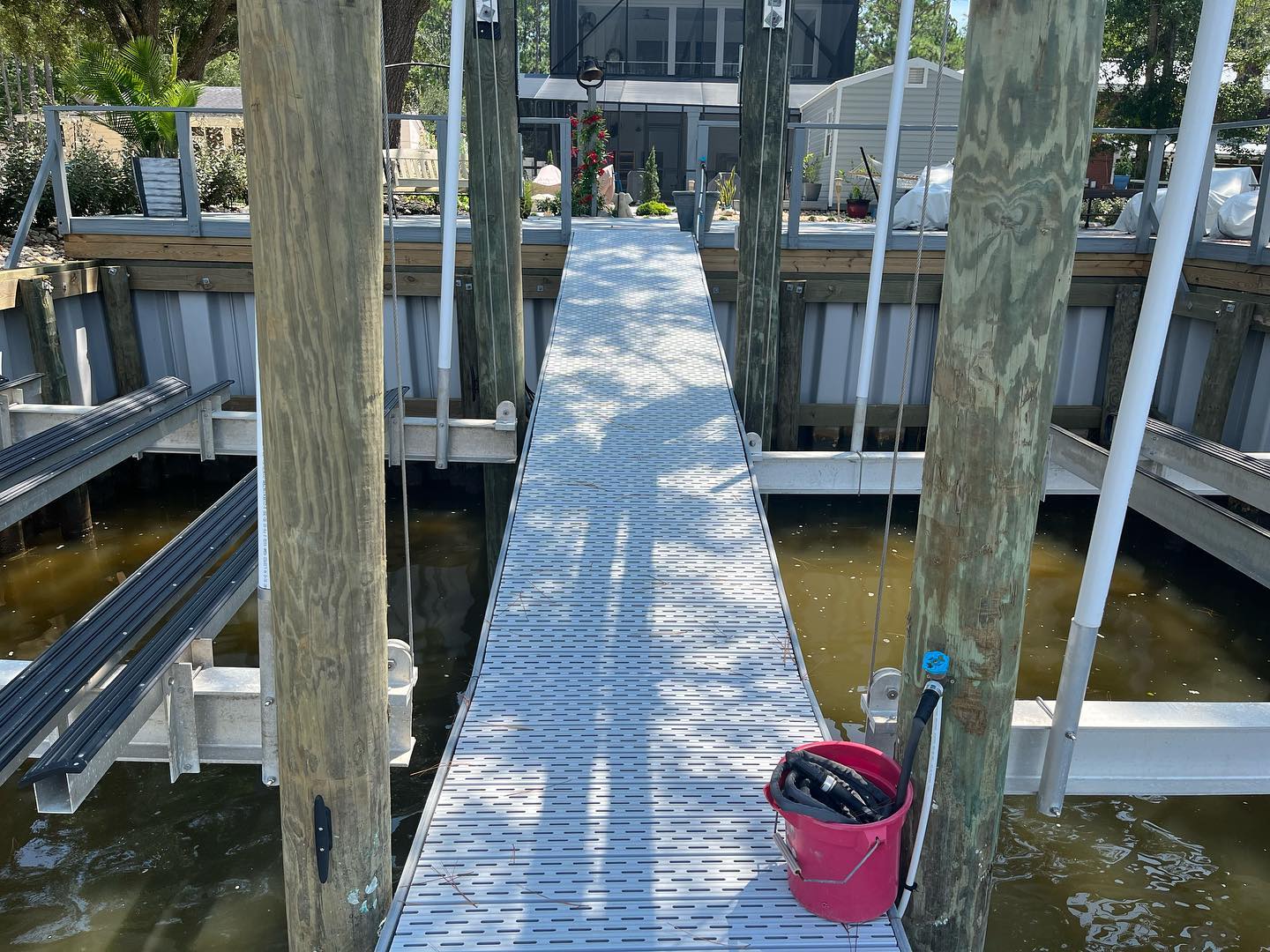
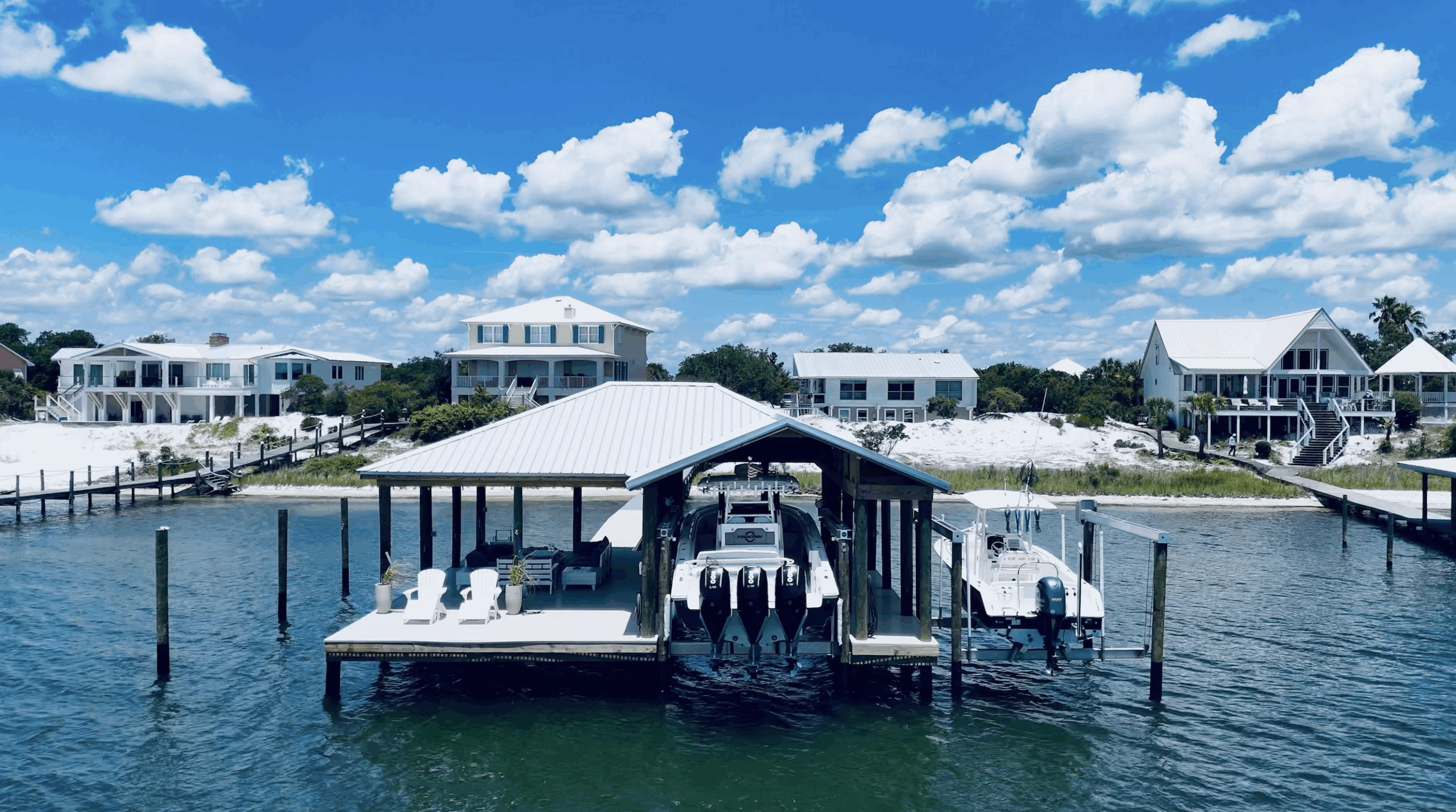
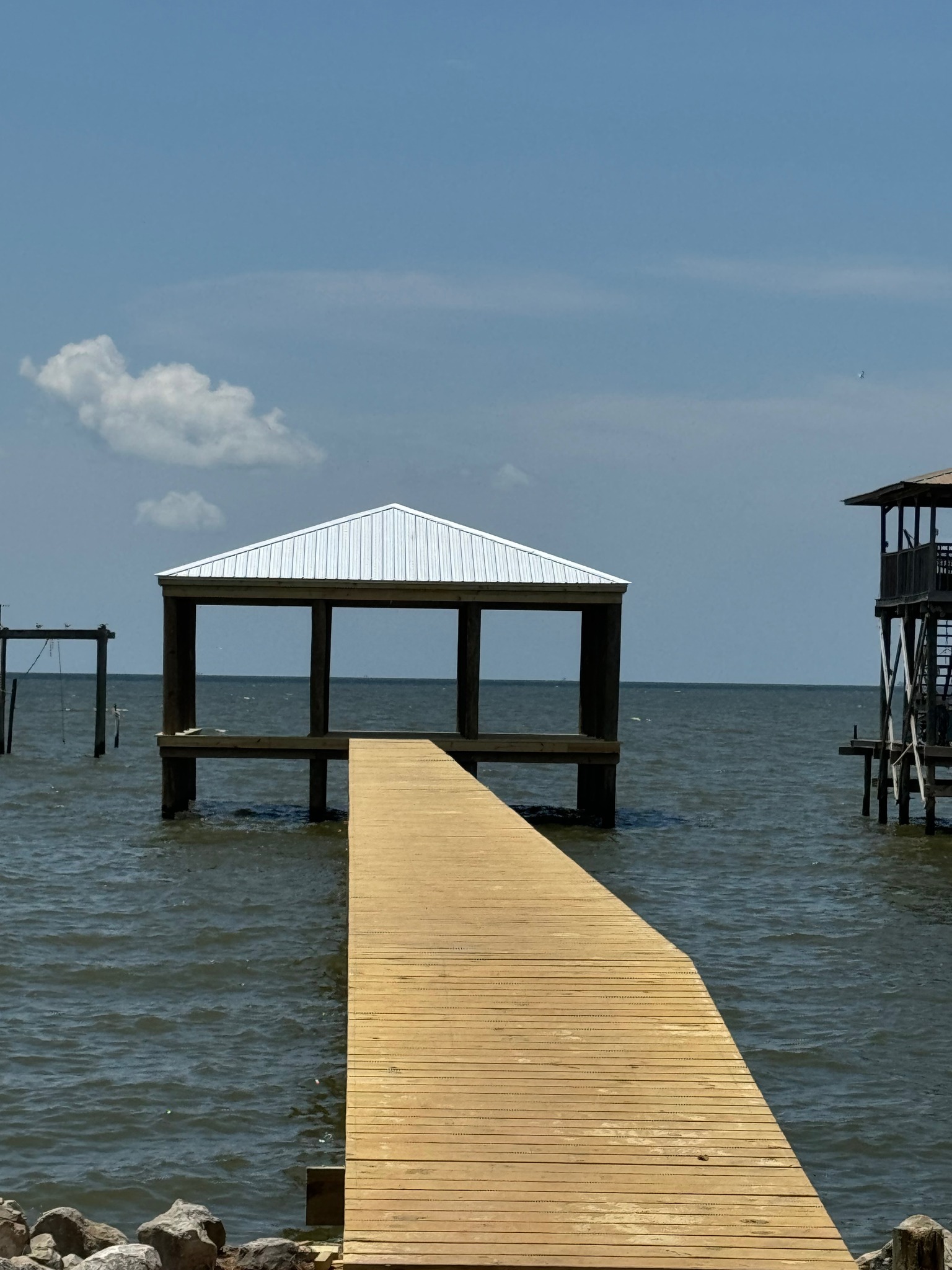
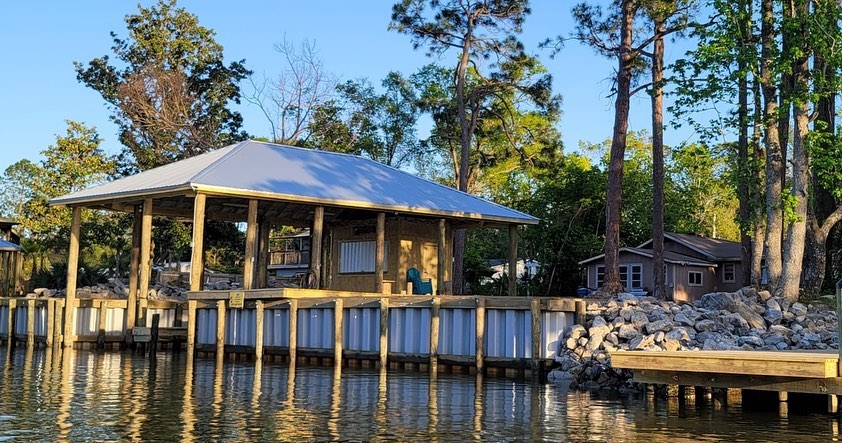
While dredging ensures navigable waters and site readiness, marine construction focuses on building structures that enhance waterfront properties. This can include docks, piers, seawalls, bulkheads, and marinas. Each component serves both functional and aesthetic purposes, providing stability, safety, and access to the water.
Seawalls and bulkheads are often paired with dredging to prevent erosion and protect the shoreline. Properly designed structures stabilize the land, reduce the impact of waves and tides, and prevent property loss over time. Docks and piers allow homeowners and visitors to enjoy direct water access for recreational activities such as boating, fishing, or swimming.
When integrated with dredging, marine construction ensures that these structures are safe, durable, and tailored to the specific site conditions. Experienced marine contractors evaluate soil composition, water currents, and wave action to design foundations and pilings that withstand environmental pressures for decades.
The Impact of Dredging and Marine Construction on Property Value
Waterfront properties are highly coveted, and access to functional waterways significantly influences their market value. Dredging and marine construction directly impact both usability and appeal. A property with deep, navigable water, a safe docking area, and stable shoreline protection commands a premium in the real estate market.
Beyond practical benefits, marine construction enhances the visual appeal of a waterfront property. Well-designed docks, seawalls, and landscaped shorelines create a polished, cohesive look that draws attention from potential buyers and increases long-term resale value. Investing in these services demonstrates that the property has been maintained to high standards and is ready for recreational and commercial use.
Environmental Considerations and Best Practices
While dredging and marine construction provide numerous benefits, environmental stewardship is essential. Responsible projects protect aquatic life, maintain water quality, and preserve natural habitats. Techniques such as careful sediment disposal, erosion control, and habitat restoration help balance development with conservation.
Many waterfront developers now integrate sustainable practices into their projects, including using eco-friendly materials for piers and seawalls, designing structures that minimize disruption to marine ecosystems, and monitoring water quality during and after construction. These practices not only benefit the environment but also appeal to increasingly eco-conscious buyers and communities.
Choosing the Right Contractor for Waterfront Projects
Because dredging and marine construction are highly specialized, selecting an experienced contractor is crucial. A skilled contractor understands local regulations, waterway dynamics, soil conditions, and structural requirements. They bring the equipment, expertise, and planning necessary to complete projects efficiently, safely, and with minimal environmental impact.
At GCLM Construction, we combine knowledge of land and marine construction with decades of experience along the Gulf Coast. From initial site assessments and dredging to pier installation and shoreline stabilization, we manage every phase of the project. Our goal is to create waterfront properties that are functional, resilient, and built to last for generations.
Conclusion
Dredging and marine construction play an essential role in waterfront property development. By ensuring navigable waterways, stabilizing shorelines, and creating functional and attractive structures, these services enhance usability, safety, and property value.
Homeowners, developers, and investors who understand the importance of these processes and work with experienced contractors can enjoy the full benefits of coastal living. Waterfront properties are more than a view—they are a lifestyle, and thoughtful dredging and marine construction ensure that lifestyle is accessible, safe, and sustainable for years to come.