
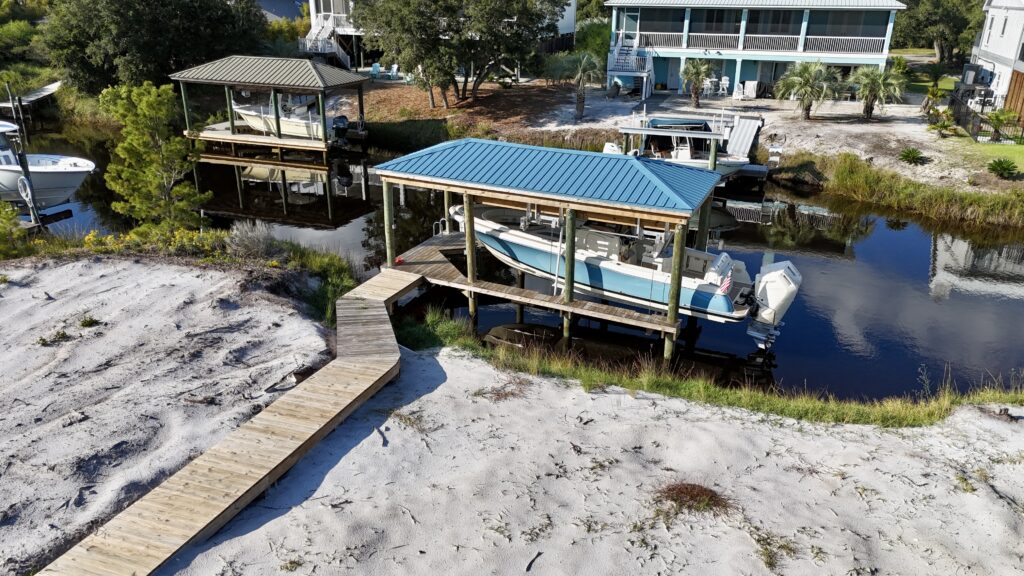
Marine construction is one of the most complex forms of building, requiring a careful balance of engineering precision, environmental awareness, and hands-on expertise. Unlike traditional land construction, projects in coastal and waterfront environments face constantly changing conditions, regulatory requirements, and logistical challenges that demand specialized knowledge. A successful marine construction project is never the result of a single decision, but rather the outcome of thoughtful planning, expert execution, and attention to detail at every stage.
Understanding what goes into a successful marine construction project helps property owners and stakeholders appreciate the level of expertise required and the value of working with experienced professionals from the very beginning.
Comprehensive Planning and Site Evaluation
Every successful marine construction project starts long before any equipment reaches the site. Planning is the foundation, and it begins with a thorough evaluation of the project location. Coastal and marine environments are influenced by tides, currents, soil conditions, wave action, and weather patterns that can significantly impact construction methods and long-term performance.
A detailed site evaluation examines water depth, soil composition, shoreline stability, and environmental sensitivities. These factors determine how structures should be designed, what materials are appropriate, and what construction techniques will provide the greatest durability. Skipping or rushing this step often leads to costly delays, structural issues, or premature deterioration.
Proper planning also includes identifying potential challenges early so solutions can be engineered proactively rather than reactively.
Engineering Expertise and Design Precision
Marine construction demands a higher level of engineering precision than many land-based projects. Structures must withstand constant exposure to water, corrosion, erosion, and shifting forces over time. This makes engineering not just an early phase of the project, but a guiding influence throughout the entire process.
Successful marine projects rely on detailed engineering designs that account for load requirements, environmental forces, and long-term performance. Whether constructing docks, bulkheads, piers, seawalls, or marine foundations, every component must be calculated to work together as a system.
Engineering expertise also allows for innovative problem-solving. No two marine sites are exactly alike, and custom solutions are often necessary to address unique challenges presented by location, usage, or environmental constraints.
Permitting and Regulatory Compliance
Marine construction is highly regulated, and navigating the permitting process is a critical component of success. Projects often require approvals from multiple local, state, and federal agencies, each with its own requirements designed to protect waterways, marine life, and coastal ecosystems.
A successful project incorporates permitting considerations into the planning phase rather than treating them as an afterthought. Understanding regulations related to wetlands, submerged lands, water quality, and shoreline protection helps prevent delays and ensures the project moves forward legally and responsibly.
Experienced marine construction professionals understand how to work within these regulations while still achieving project goals, helping clients avoid unnecessary complications and costly revisions.
Specialized Equipment and Skilled Operations
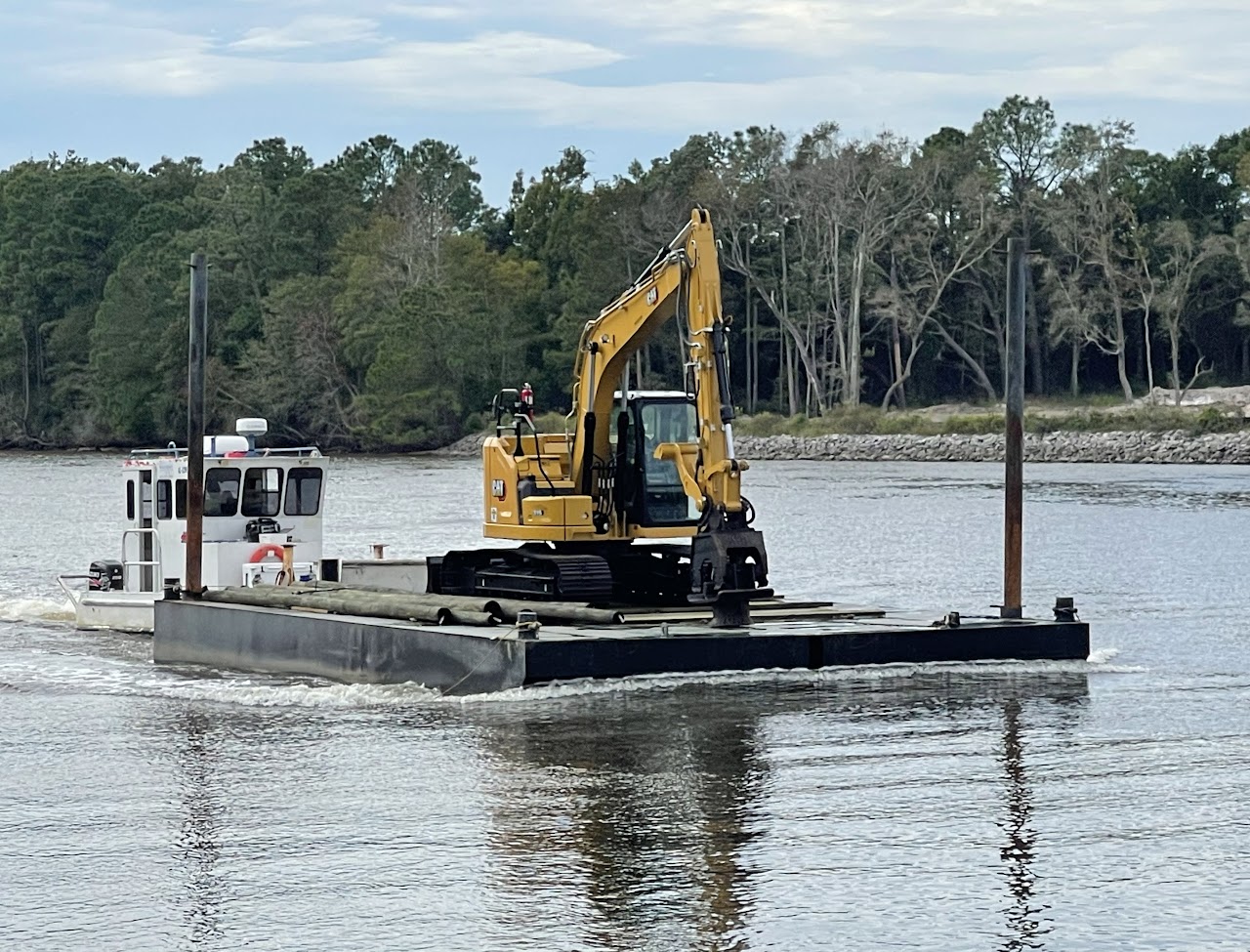
Unlike standard construction sites, marine projects require specialized equipment and operators who understand how to work safely and efficiently in water-based environments. Barges, cranes, pile drivers, and marine vessels must be carefully coordinated to ensure precision and safety during installation.
The success of a marine construction project depends heavily on the experience of the crew performing the work. Skilled operators understand how to adjust for tidal changes, weather shifts, and site conditions in real time. This level of expertise reduces risk, improves efficiency, and ensures the project stays on schedule.
Well-coordinated marine operations also minimize environmental disturbance and enhance overall project quality.
Material Selection for Long-Term Durability
Choosing the right materials is one of the most important decisions in marine construction. Saltwater exposure, moisture, UV radiation, and biological growth can significantly impact structural components over time. Materials that perform well on land may fail prematurely in marine environments if not properly selected.
Successful projects use materials specifically suited for coastal conditions, such as corrosion-resistant metals, treated timbers, reinforced concrete, and protective coatings. The goal is not only to meet immediate structural requirements, but to extend the lifespan of the project while minimizing future maintenance.
Material selection is closely tied to engineering design and environmental conditions, making it a collaborative decision rather than a simple choice.
Environmental Responsibility and Awareness
Marine construction must balance development with environmental responsibility. Protecting surrounding ecosystems is not only a regulatory requirement but also an essential part of sustainable construction practices.
Successful projects consider how construction activities may affect marine habitats, water quality, and shoreline stability. Implementing best practices helps reduce environmental impact while ensuring compliance with regulations and preserving natural resources for future generations.
Environmental awareness also contributes to long-term project success by maintaining the health and stability of the surrounding area.
Clear Communication and Project Oversight
Strong communication is a defining factor in successful marine construction projects. With multiple moving parts, stakeholders, and regulatory considerations, consistent communication keeps everyone aligned and informed.
Effective project oversight ensures that plans are executed as designed, timelines are maintained, and quality standards are upheld. Ongoing coordination between engineers, operators, consultants, and clients allows for quick adjustments when conditions change.
This level of oversight not only protects the integrity of the project but also builds trust with clients throughout the construction process.
Adaptability and Problem-Solving
Marine construction environments are inherently unpredictable. Weather changes, water conditions, and unforeseen site challenges are common. Successful projects are led by teams that understand how to adapt quickly while maintaining safety and quality.
Experienced marine construction professionals anticipate potential issues and have contingency plans in place. When unexpected challenges arise, they rely on engineering expertise and hands-on experience to develop solutions that keep the project moving forward without compromising results.
Adaptability is often the difference between a project that struggles and one that succeeds.
Delivering Long-Term Value
A truly successful marine construction project is one that performs reliably long after construction is complete. Strength, durability, and functionality must be built into every phase, from planning and engineering to execution and final inspection.
When all elements come together—thoughtful planning, expert engineering, skilled operations, quality materials, and environmental responsibility—the result is a structure that provides lasting value and peace of mind.
For property owners and developers, investing in experienced marine construction professionals ensures that projects are not only built correctly, but built to last in demanding coastal environments.


1 Comment. Leave new
Hello, I believe your site may be having browser compatibility issues.
Whenever I take a look at your web site in Safari, it looks fine however when opening in Internet Explorer, it
has some overlapping issues. I merely wanted to give
you a quick heads up! Besides that, great website!
Also visit my web site; this review