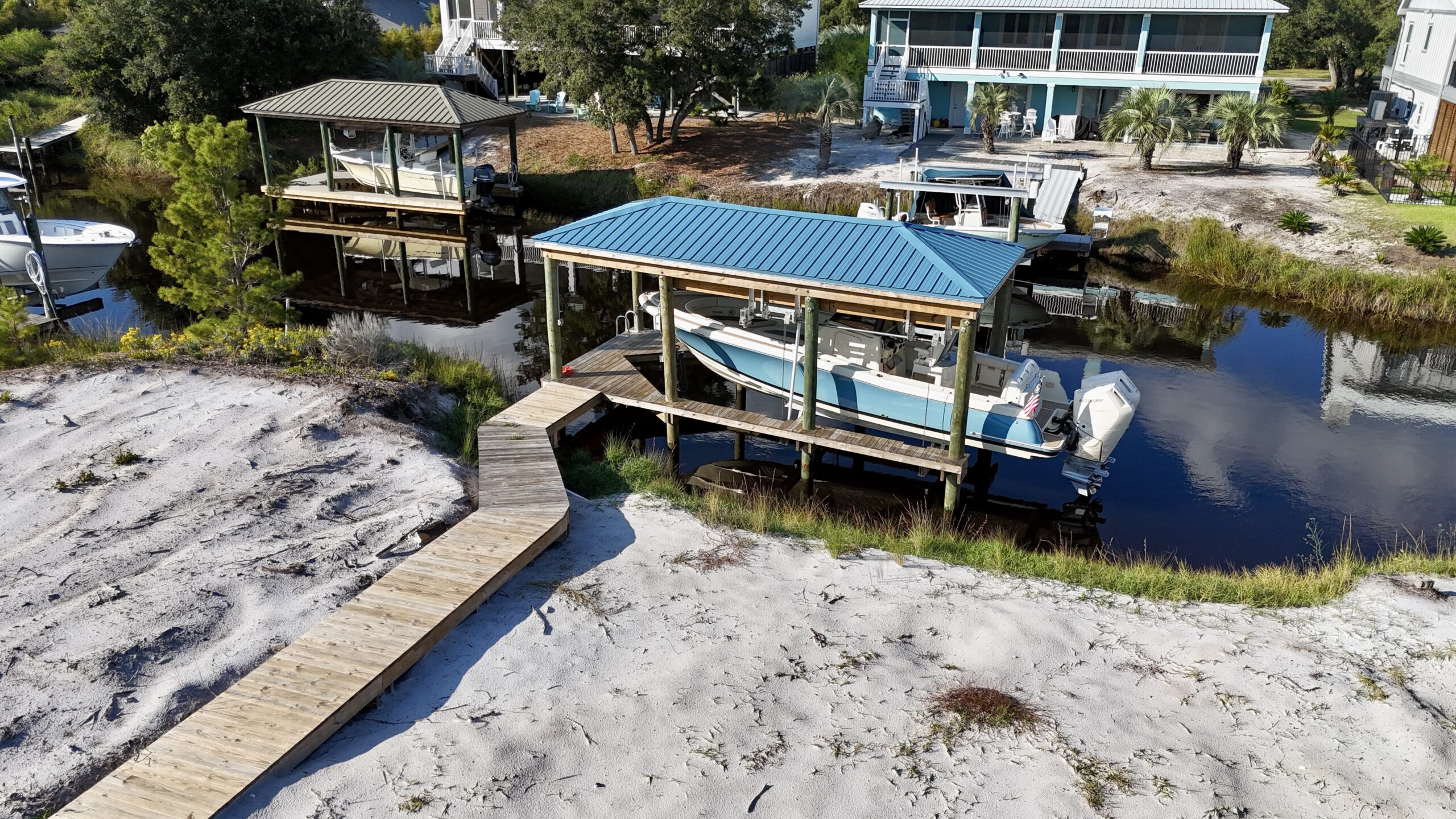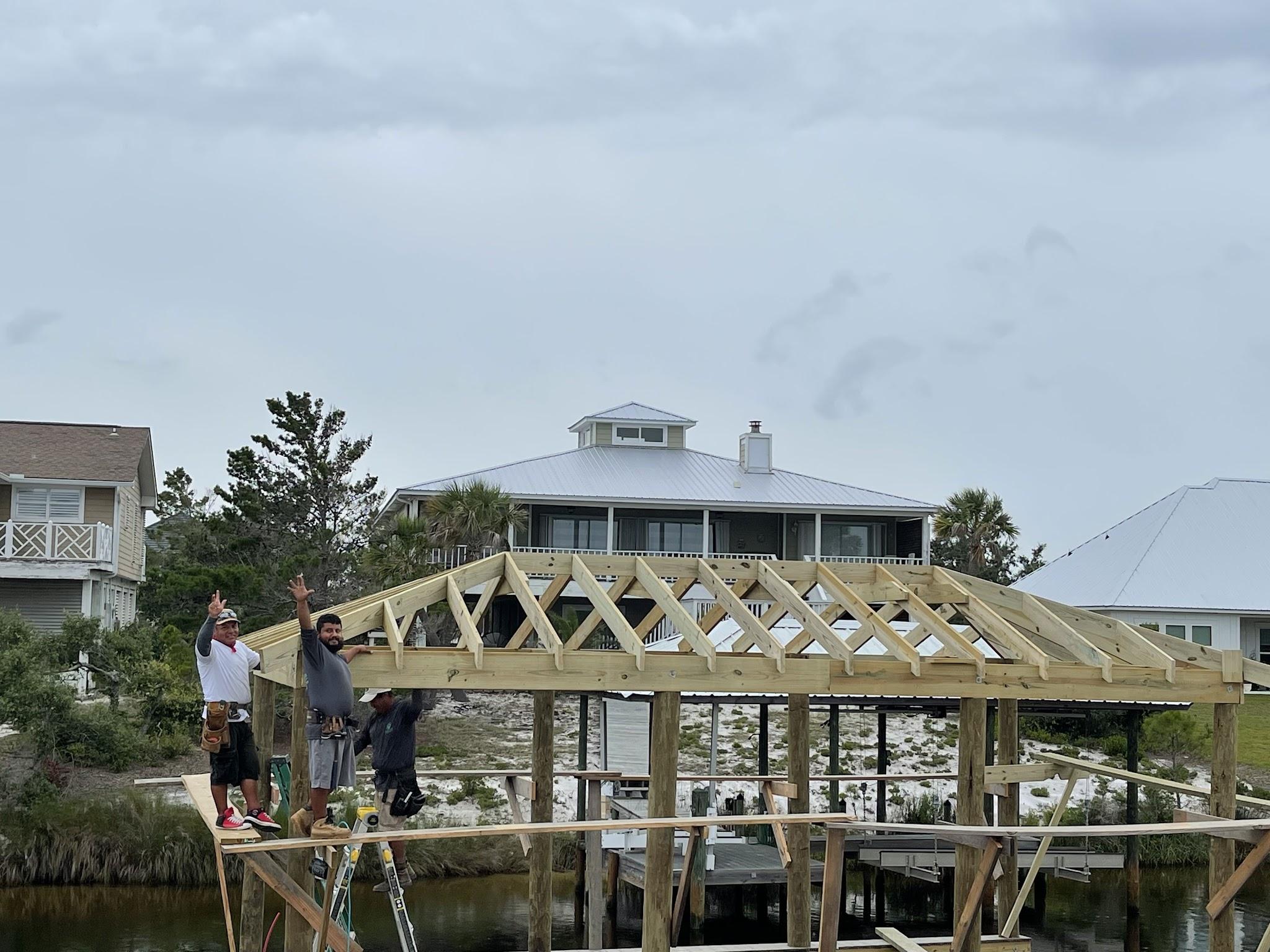
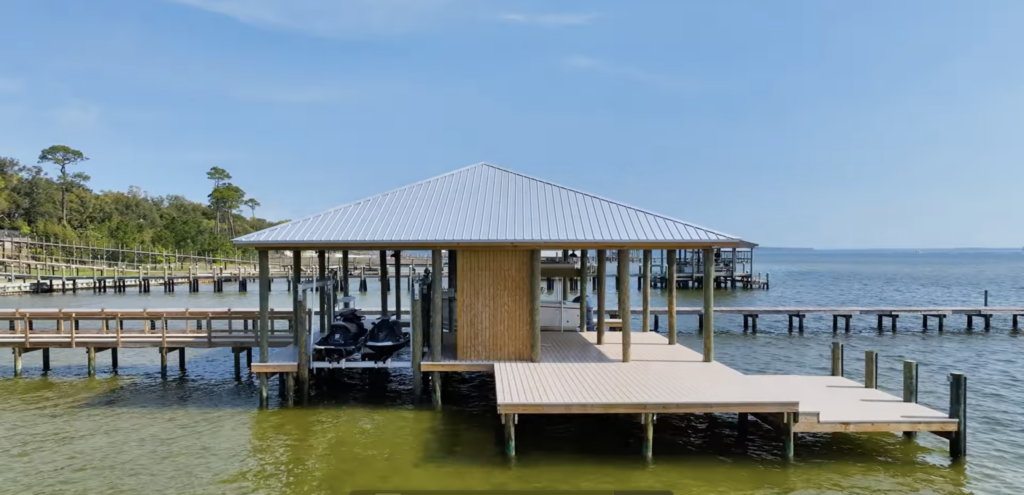
Waterfront construction is unlike traditional construction. Projects built along the water are constantly exposed to changing conditions, including tides, currents, waves, erosion, weather, and fluctuating water levels. Because of these challenges, building a reliable waterfront structure requires careful planning, specialized equipment, quality materials, and a thorough understanding of the environment.
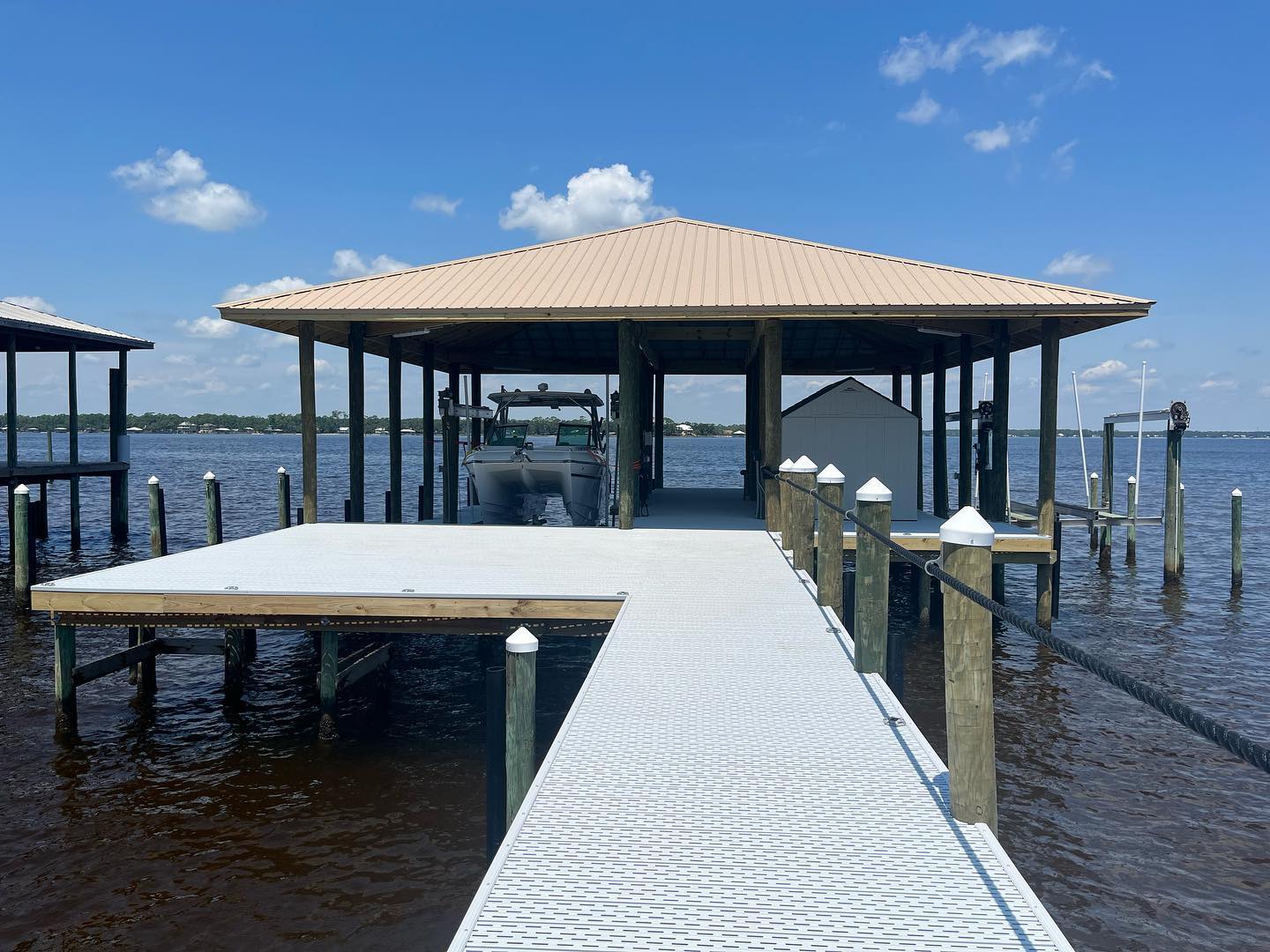
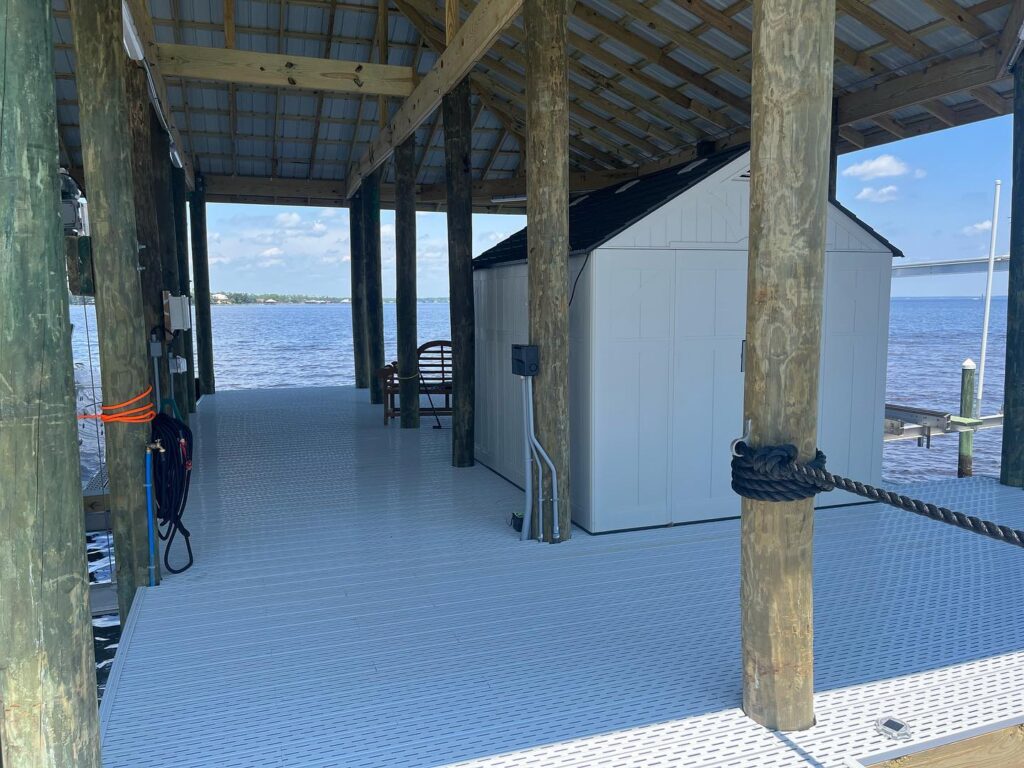
Whether the project involves a dock, boat lift, boathouse, retaining system, piling installation, or other waterfront infrastructure, what happens beneath and around the water is just as important as what is visible above it. A successful project starts with understanding the site and ends with a structure designed to perform for years to come.
It Starts With Understanding the Site
Every waterfront property is different. Before construction begins, the project team needs to understand the specific conditions of the site.
Water depth, bottom conditions, soil composition, tidal fluctuations, currents, shoreline characteristics, existing structures, and access to the work area can all influence how a project is designed and constructed.
A structure that works well at one location may require a completely different approach at another. This is why site evaluation is such an important part of waterfront construction.
Understanding the environment before work begins allows the project team to identify challenges early and develop an approach that accounts for the conditions unique to the site.
Engineering and Design Matter
A reliable waterfront structure begins with a sound design. Engineering helps determine how the structure will interact with the surrounding environment and how it will handle the loads and forces placed upon it.
Waterfront structures must be designed with factors such as wind, waves, currents, water levels, structural loads, and soil conditions in mind. The intended use of the structure also plays a major role.
For example, a private dock designed for occasional recreational use may have very different requirements than a larger commercial or industrial marine structure.
Careful engineering ensures that the structure is designed for its intended purpose rather than relying on a one-size-fits-all approach.
The Foundation Is Critical
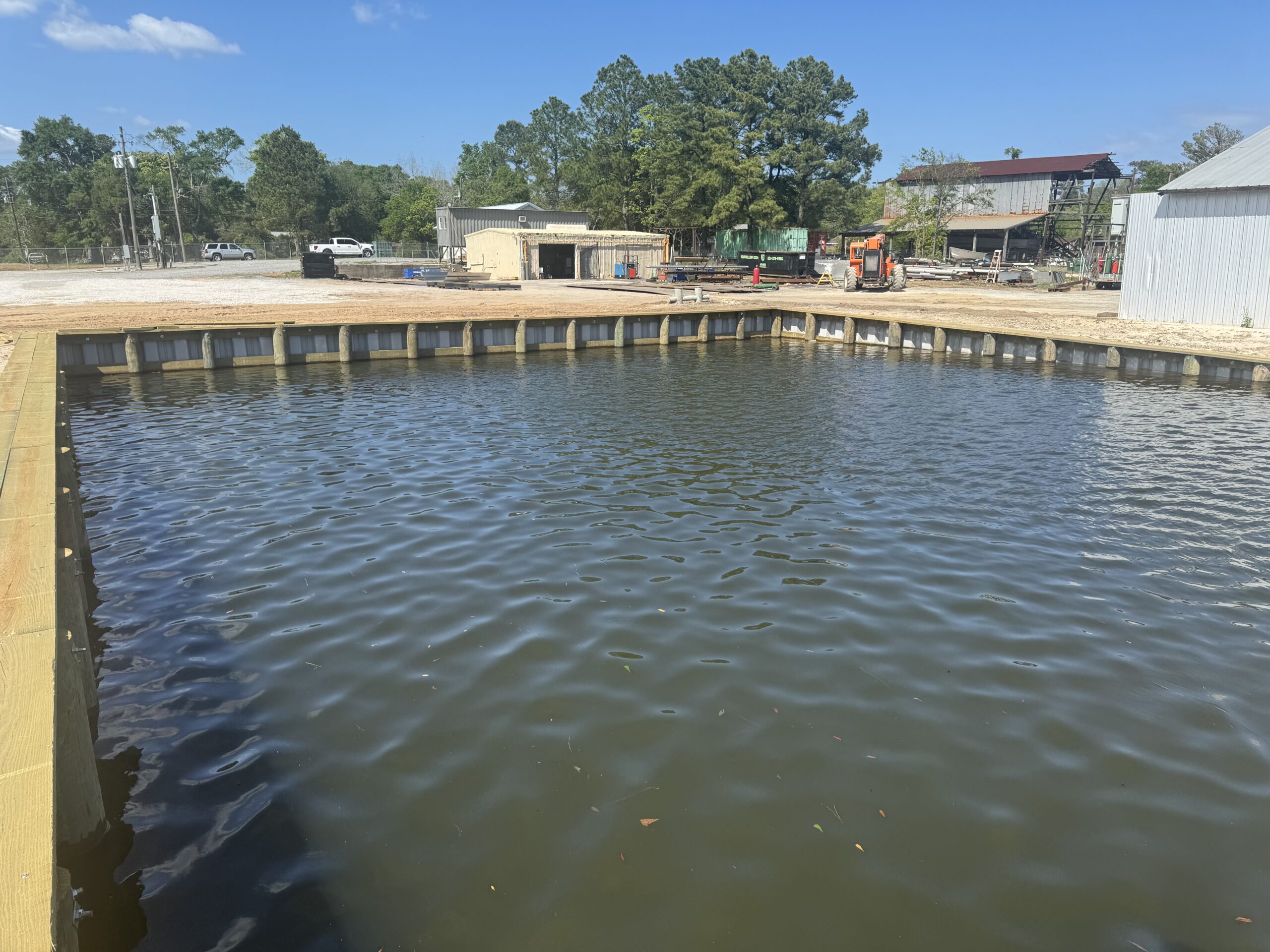
One of the most important components of many waterfront structures is the foundation system. In marine construction, this often involves piles or other systems designed to provide stability in challenging underwater conditions.
Piles transfer structural loads into the underlying soil and help resist forces created by water, wind, waves, and use. Proper installation is essential because even the strongest materials cannot compensate for an improperly designed or installed foundation.
The right pile type, size, spacing, depth, and installation method depend on the specific project and site conditions.
Much of this work takes place below the waterline, which means precision and experience are especially important.
Choosing the Right Materials
Waterfront structures are exposed to an environment that can be significantly more demanding than typical land-based construction.
Materials must be selected with moisture, corrosion, marine exposure, weather, and long-term durability in mind. The right materials can help reduce maintenance requirements and extend the useful life of the structure.
Material selection should also account for the project’s location, intended use, structural requirements, and environmental conditions.
Using quality materials is important, but selecting materials that are appropriate for the specific marine environment is equally critical.
Specialized Equipment Makes a Difference
Waterfront construction often requires equipment that isn’t typically used on conventional construction sites.
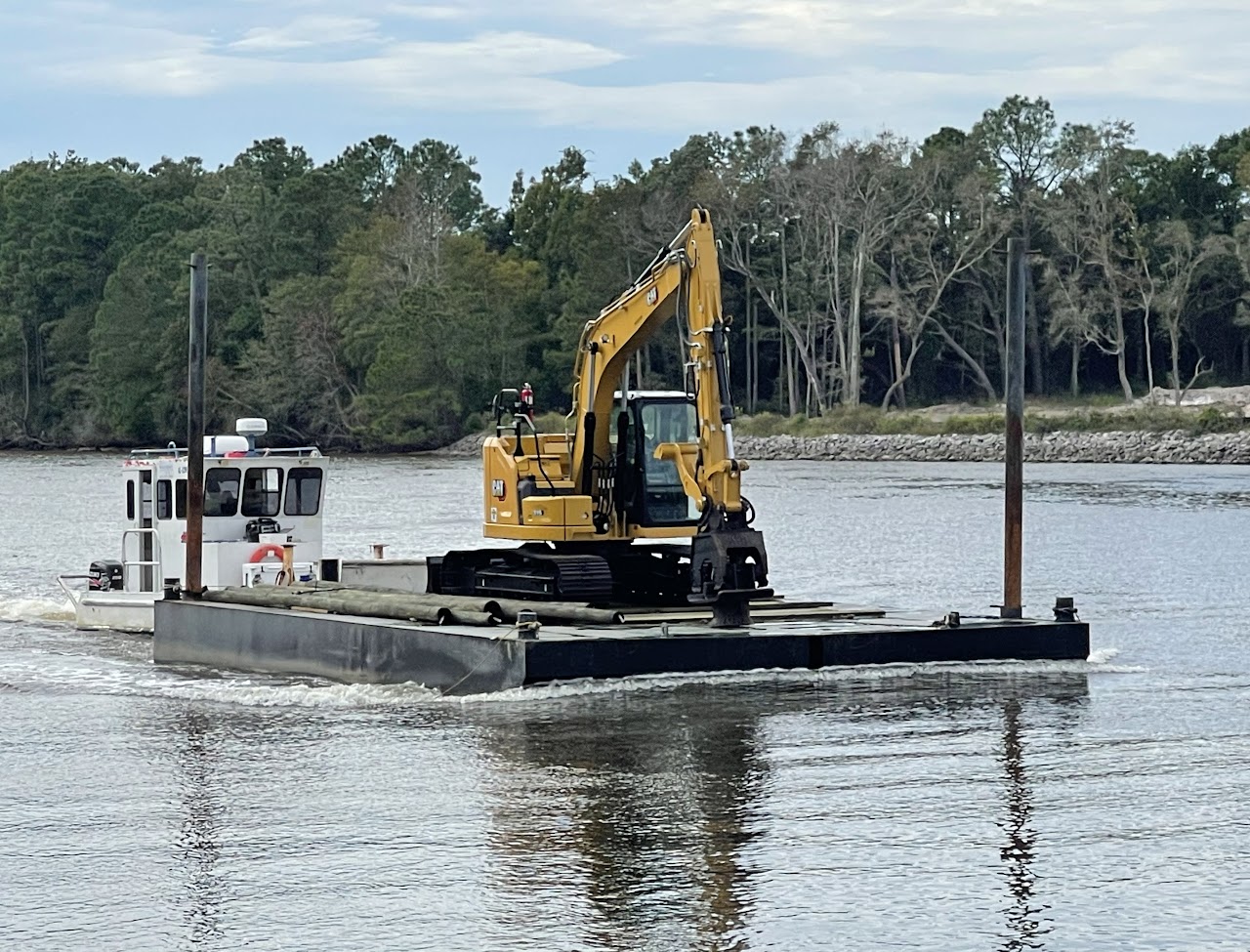
Depending on the project, marine equipment may include barges, cranes, pile-driving systems, winches, anchors, pumps, dredging equipment, and specialized vessels.
Access to the right equipment can make a major difference in both efficiency and precision. Marine projects frequently require crews to work from the water rather than from stable ground, creating additional logistical challenges.
Having the appropriate equipment and knowing how to use it effectively allows crews to work safely and efficiently while maintaining control over complex operations.
Access and Logistics Must Be Planned
Getting people, materials, and equipment to a waterfront construction site can be one of the most challenging aspects of a project.
Limited shoreline access, narrow waterways, existing docks, shallow water, changing tides, and surrounding structures can all affect how work is performed.
A strong project plan accounts for these logistical challenges before construction begins. Materials may need to be transported by barge, equipment may need to be staged on the water, and certain work may need to be coordinated around tides or weather conditions.
Effective planning helps minimize delays and keeps the project moving efficiently.
Working With the Water, Not Against It
Water is constantly moving. Even calm-looking water can create forces that affect a structure.
Tides rise and fall, currents shift, waves create impact, and storms can dramatically change conditions. A reliable waterfront structure needs to account for these forces throughout its design and construction.
This is one of the key differences between marine and land-based construction. The surrounding environment is not static.
Successful waterfront construction works with these conditions in mind rather than treating the water as simply another part of the job site.
Environmental Considerations
Waterfront construction can affect the surrounding environment, which makes responsible planning important.
Depending on the location and scope of the project, environmental considerations may include sediment disturbance, water quality, shoreline conditions, aquatic habitats, and local regulations.
Proper planning and coordination can help reduce unnecessary environmental impacts while keeping the project aligned with applicable requirements.
Responsible marine construction considers not only the structure being built but also the environment in which it will exist.
Quality Installation Is Just as Important as Good Design
A well-engineered design is only part of the equation. The structure must also be installed correctly.
Proper pile installation, alignment, connections, anchoring, welding, fastening, and structural assembly all contribute to the finished product.
Attention to detail throughout construction helps ensure that the finished structure performs as intended.
This is particularly important in marine construction because many critical components may eventually be difficult to access for repairs or adjustments.
Experience Helps Solve Problems Before They Become Delays
Waterfront construction rarely happens without challenges. Conditions can change, unexpected site characteristics can be discovered, and weather can affect schedules.
Experience allows a marine construction team to recognize potential problems early and develop practical solutions.
Experienced crews understand that successful projects require flexibility without sacrificing quality or safety. They know how to adapt operations to changing conditions while keeping the overall project objectives in focus.
Building for Long-Term Performance
The goal of a waterfront structure should not simply be to complete construction. It should be to create a structure that performs reliably over time.
Durability depends on many factors, including design, engineering, materials, installation methods, environmental conditions, maintenance, and intended use.
A structure designed with long-term performance in mind can provide greater value and reliability while helping reduce unexpected repairs and maintenance.
Why the Right Marine Construction Partner Matters
Waterfront construction requires a combination of engineering knowledge, specialized equipment, project coordination, and hands-on experience.
At GCLM, we understand the unique demands of working at the water’s edge. From marine operations and equipment to piles, anchors, dredging, and waterfront infrastructure, our approach is built around understanding the project from the planning stage through execution.
Every site presents its own challenges, which is why we focus on solutions that are tailored to the conditions, goals, and requirements of each project.
The result is more than a structure on the water. It is a carefully planned system designed to perform in the environment where it will be used.
Built for the Water’s Edge
Reliable waterfront construction starts long before the first pile is installed or the first piece of equipment reaches the site. It begins with understanding the environment, developing the right design, selecting appropriate materials, planning logistics, and bringing together the people and equipment needed to execute the work properly.
When all of these elements work together, waterfront structures can provide lasting performance in one of the most demanding construction environments.
At GCLM, we believe that successful marine projects are built on preparation, precision, and experience.
Built for the Water’s Edge.