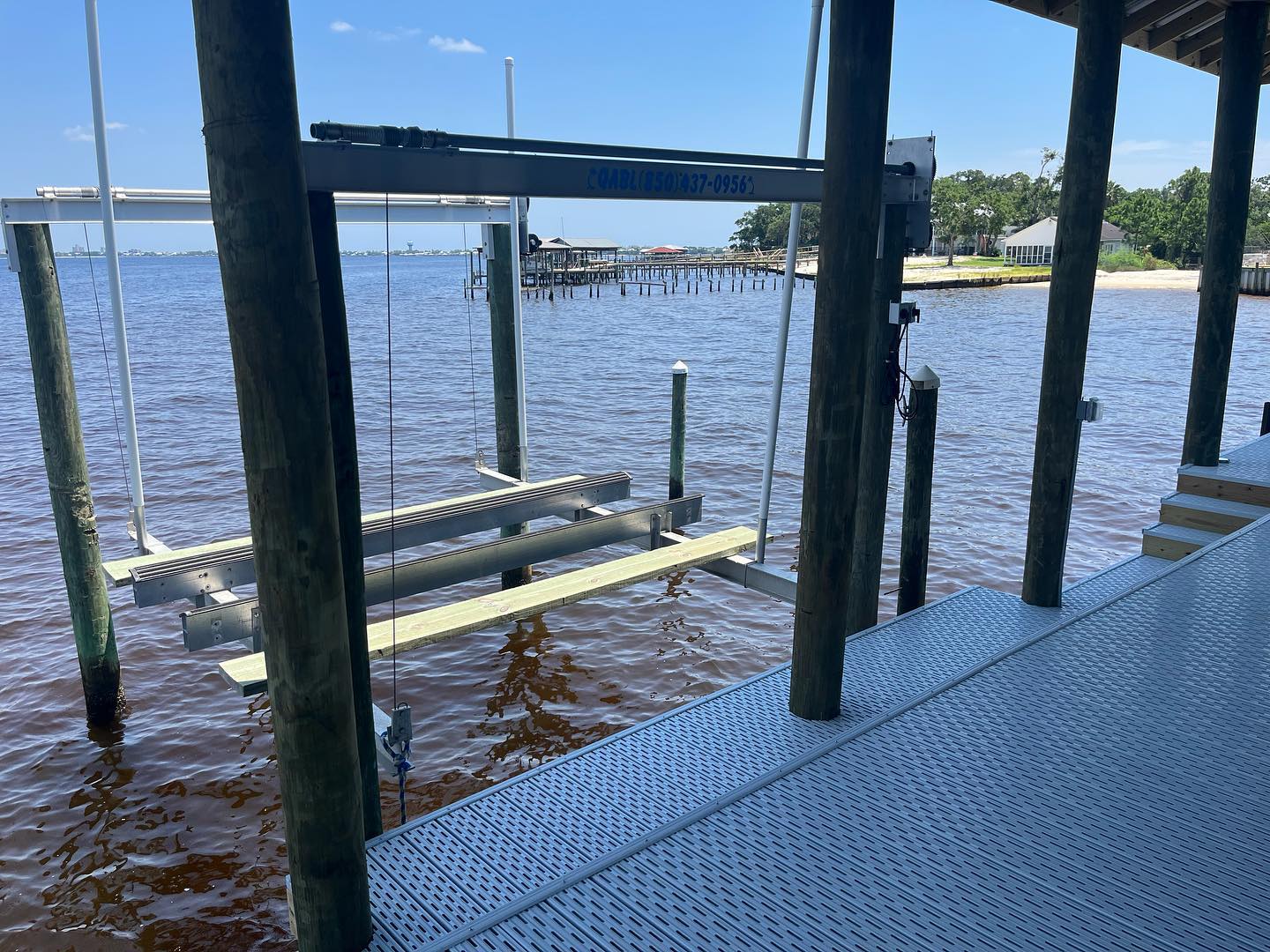
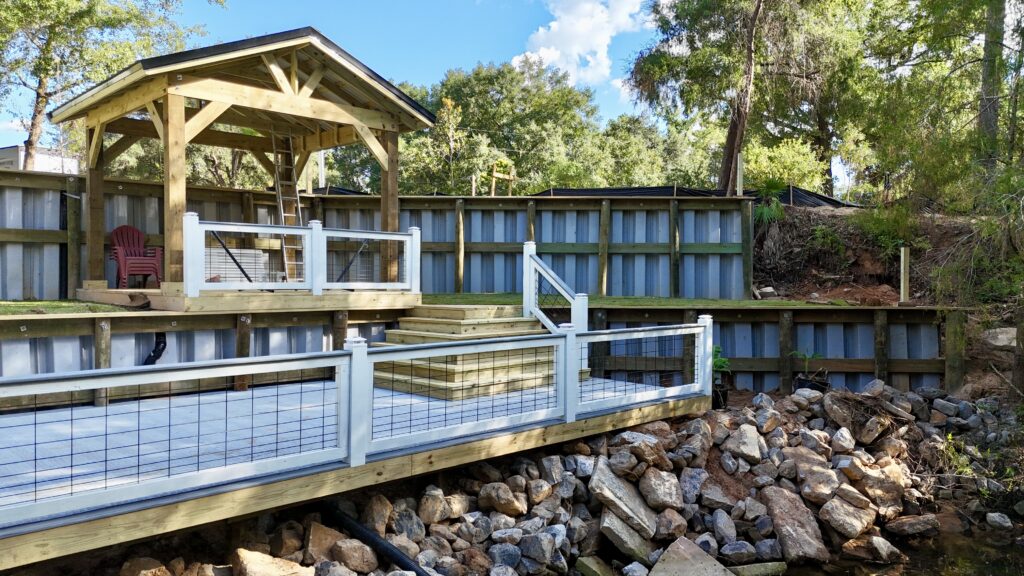
Marine construction is one of the most complex and specialized areas of development. While land-based projects already require planning, engineering, and coordination, working in and around water introduces an entirely different set of challenges. Tides, soil stability, environmental regulations, weather exposure, and long-term erosion all play a role in how a project must be designed and executed. For property owners and developers along the Gulf Coast, understanding these differences is essential before starting any waterfront improvement or shoreline project.
At Gulf Coast Land & Marine Construction (GCLM), marine work is not simply an extension of land development. It is a discipline that requires a deeper understanding of how water interacts with soil, structures, and long-term land stability. Every decision, from site preparation to material selection, must account for conditions that constantly change with the environment.
Understanding the Challenges of Working in a Marine Environment
One of the biggest differences in marine construction is the environment itself. Unlike stable, predictable ground conditions found inland, waterfront properties are constantly influenced by water movement. Tides rise and fall daily, storm surges can drastically alter shorelines in a matter of hours, and wave action continuously impacts exposed soil and structures.
This constant movement creates a situation where nothing can be assumed as static. A shoreline that appears stable during dry conditions may behave very differently during heavy rain or seasonal storms. Because of this, marine construction requires continuous evaluation of water levels, flow patterns, and erosion tendencies before any work begins.
Weather exposure is another critical factor. Projects near water are more vulnerable to wind, saltwater corrosion, and shifting ground conditions caused by saturation. Materials and construction methods must be chosen specifically to withstand these long-term environmental pressures.
The Importance of Soil Conditions and Site Stability
Soil behavior near water is significantly different from inland soil conditions. Waterfront soil is often saturated, loose, or composed of a mix of sand, silt, and organic material that can shift over time. This creates challenges for load-bearing capacity and long-term stability.
Before any marine project begins, understanding soil composition is essential. Poor soil conditions can lead to settling, shifting structures, or erosion that undermines the integrity of the entire project. In many cases, additional stabilization measures are required to ensure the site can properly support construction.
This is where proper site preparation becomes critical. Clearing, grading, and stabilization work must be done with precision to ensure the land and water interface is secure. Without this foundation, even well-built structures can fail over time due to underlying movement or erosion.
Erosion Control and Shoreline Protection
Erosion is one of the most significant threats in marine environments. Unlike land-based erosion, which is often caused by rainfall and runoff, shoreline erosion is driven by constant water movement, wave energy, and storm activity. Over time, this can gradually eat away at property boundaries, weaken foundations, and reduce usable land area.
Effective marine construction must include erosion control strategies designed specifically for waterfront conditions. This can include reinforced shorelines, protective barriers, grading adjustments, and drainage planning that reduces the impact of water flow.
The goal is not only to stop erosion but to manage how water interacts with the land. Properly designed shoreline protection helps preserve property value while maintaining natural water movement patterns that reduce long-term damage.
Permitting and Environmental Considerations
Unlike many land-based projects, marine construction is heavily regulated. Because work often takes place near protected waterways, wetlands, or coastal zones, multiple permits may be required before construction can begin. These regulations are in place to protect both the environment and surrounding properties.
Environmental impact is a major consideration in every phase of marine construction. Developers must ensure that work does not negatively affect water quality, aquatic habitats, or natural shoreline systems. This often requires coordination with regulatory agencies and adherence to strict guidelines regarding excavation, fill material, and water displacement.
While this can add time and complexity to a project, it is a necessary part of responsible marine development. Proper permitting ensures that projects are not only legally compliant but also environmentally sustainable in the long term.
Specialized Equipment and Construction Methods
Marine construction requires equipment and techniques that go beyond standard land-based tools. Excavation in wet or unstable ground often requires specialized machinery designed to operate in soft or submerged conditions. Barges, long-reach excavators, and reinforced equipment are commonly used to perform tasks that would be impossible or unsafe with standard construction setups.
Materials used in marine environments must also be selected carefully. Exposure to water, especially saltwater, accelerates wear and corrosion. This means that reinforced steel, treated wood, concrete mixes designed for water resistance, and protective coatings are often necessary to ensure durability.
Construction methods must also account for limited access. Many waterfront sites cannot be reached easily by traditional trucks or equipment, requiring alternative delivery and staging strategies. This adds another layer of planning that is unique to marine projects.
Drainage and Water Flow Management
Proper drainage is one of the most important but often overlooked aspects of marine construction. Water does not simply come from the shoreline; it also moves across the land toward the water. Without proper drainage planning, water can pool in unwanted areas, weaken soil, and contribute to erosion or structural damage.
Marine construction projects must carefully manage both surface water and subsurface water flow. This includes designing grading plans that guide water movement, installing drainage systems where necessary, and ensuring that water is directed safely away from structures and foundations.
When drainage is ignored or improperly designed, the effects are often long-term and costly. Issues may not appear immediately, but over time they can significantly impact the stability and usability of the property.
Long-Term Structural Durability in Coastal Conditions
Durability is a defining factor in marine construction. Structures built near water must withstand not only daily environmental exposure but also extreme weather events such as hurricanes, tropical storms, and flooding. This requires a different mindset than traditional construction, where conditions are generally more stable.
Materials must be chosen for longevity, and designs must account for stress from wind, water, and shifting ground conditions. Even small design choices can have a significant impact on how well a structure performs over time in a marine environment.
Maintenance planning is also an important part of long-term durability. Waterfront properties require ongoing monitoring to ensure that erosion, settlement, or water intrusion does not compromise the structure over time.
Why Experience Matters in Marine Construction
Marine construction is not a field where shortcuts are acceptable. Every project requires careful planning, technical expertise, and an understanding of how land and water interact over time. Experience plays a major role in identifying potential issues before they become costly problems.
At GCLM, projects are approached with a focus on long-term performance rather than short-term completion. This means evaluating soil conditions, water behavior, environmental impact, and structural requirements before work begins. The goal is always to build solutions that last, not just structures that look complete.
Final Thoughts
Marine construction is fundamentally different from land-based development because it must account for constantly changing environmental conditions. From soil stability and erosion control to permitting and specialized equipment, every aspect of the process requires a higher level of planning and precision.
For waterfront property owners, understanding these differences is essential before beginning any project. Proper preparation ensures not only a successful build but also long-term stability and protection for the property itself.
When done correctly, marine construction does more than develop land—it strengthens the relationship between property and water in a way that is both functional and sustainable.