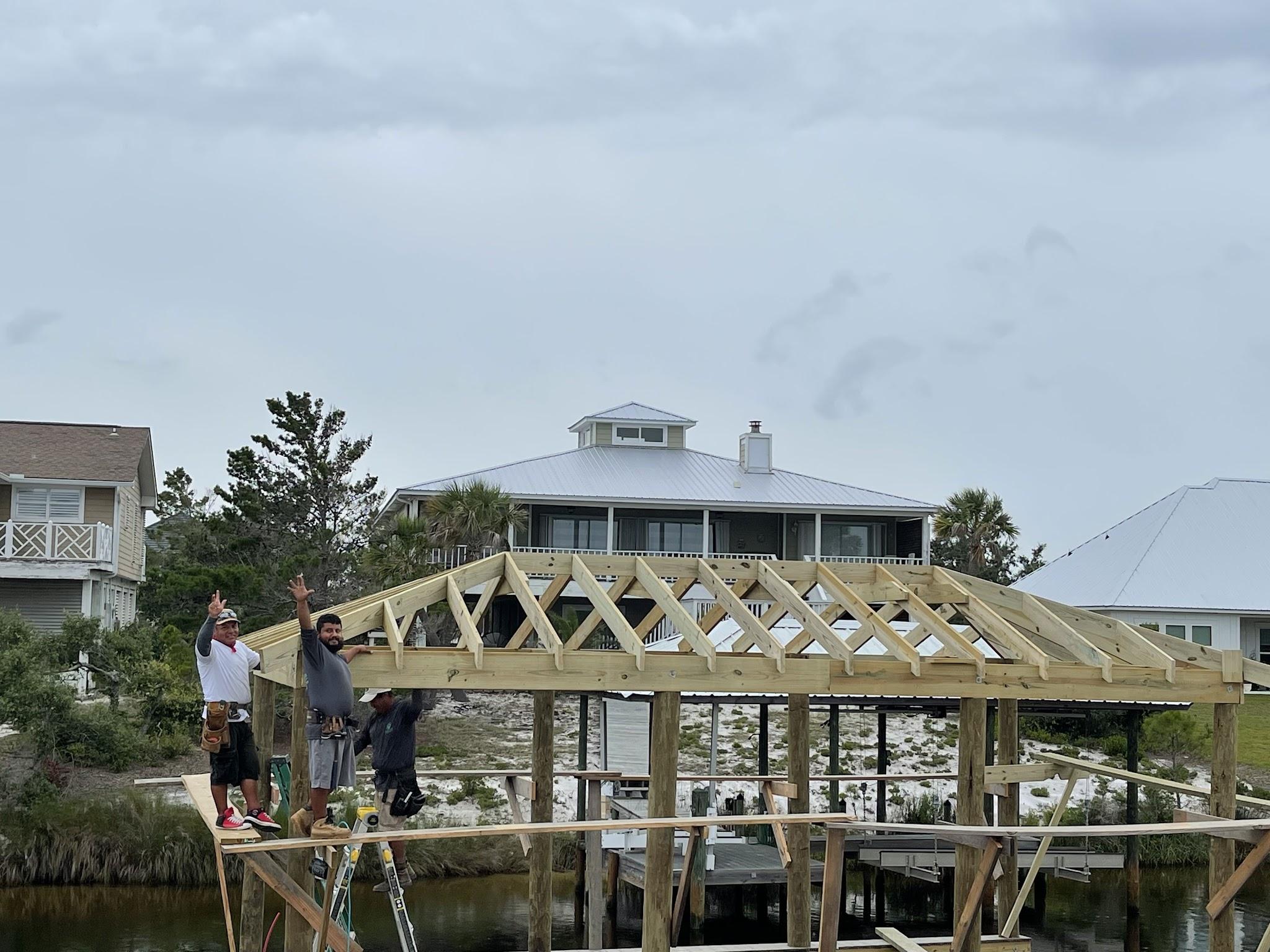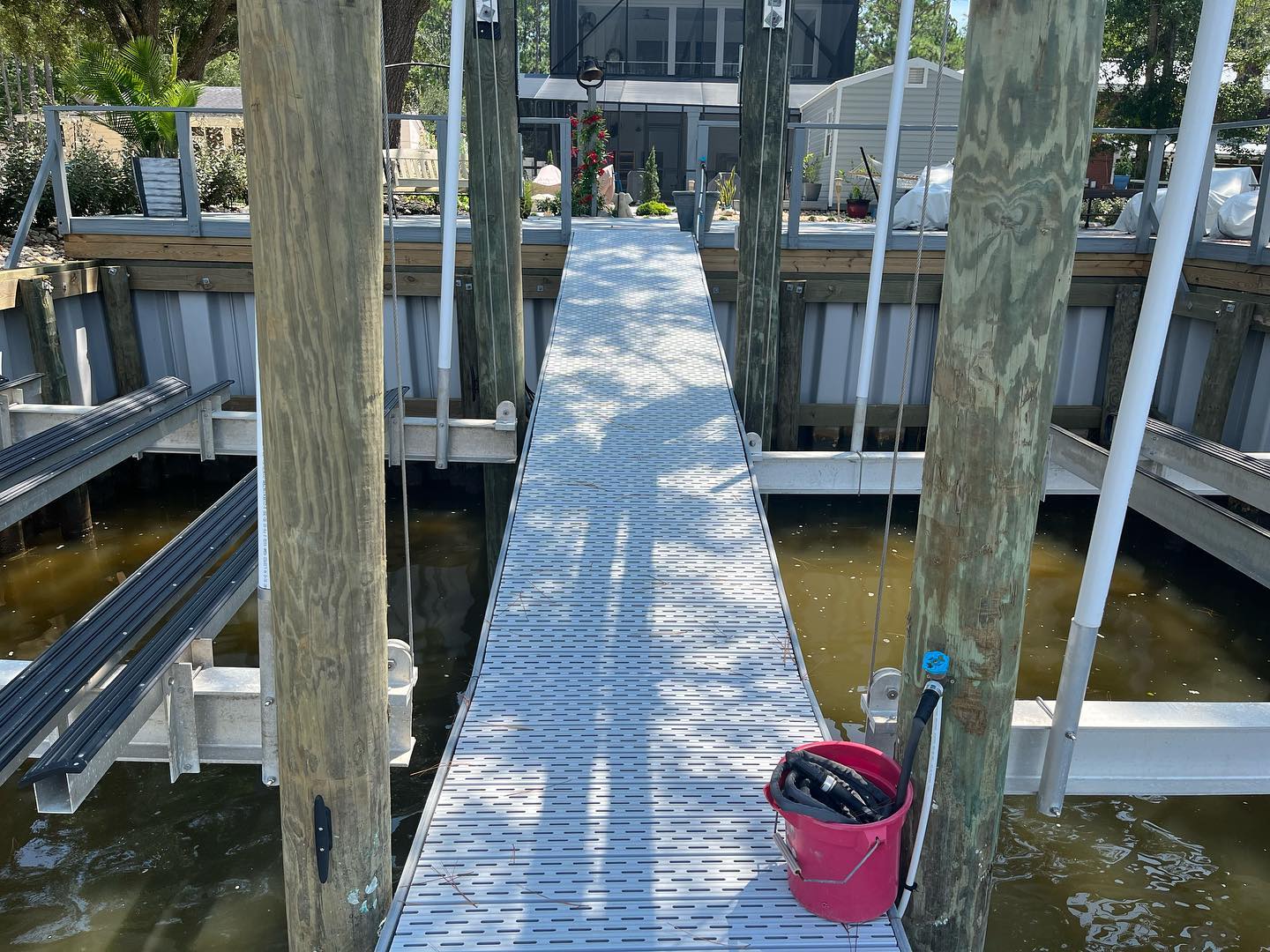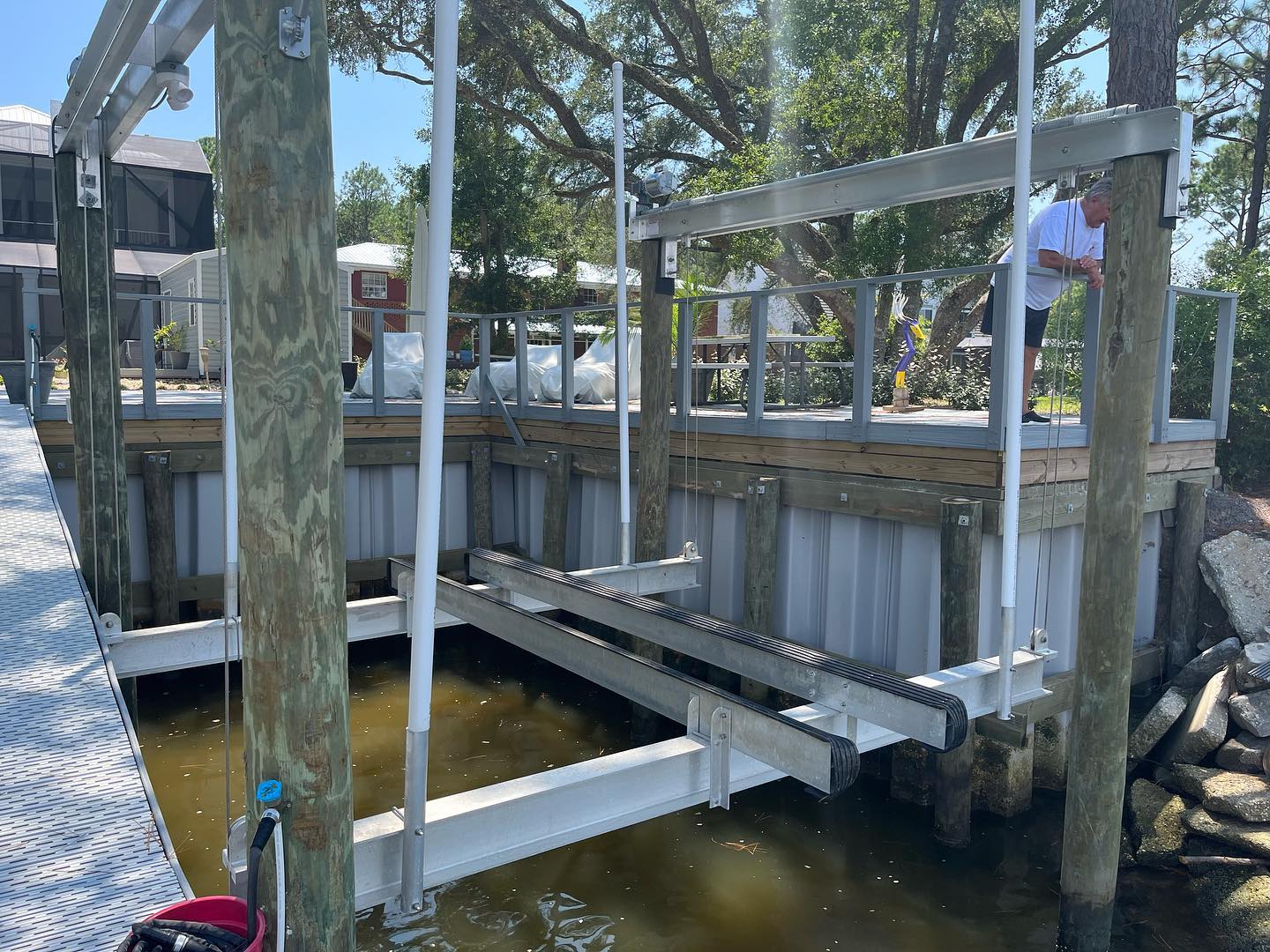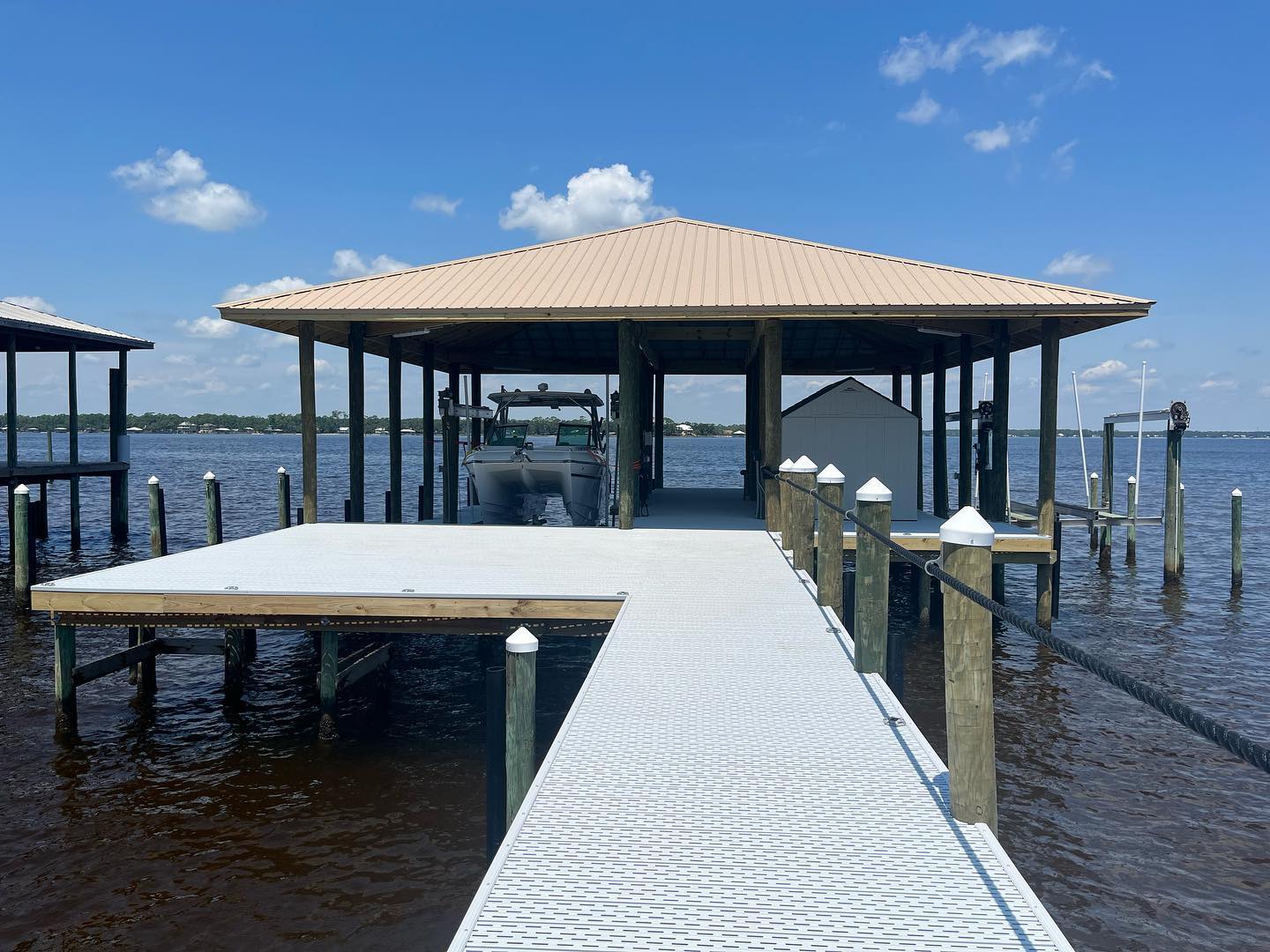
A dock or pier can transform a waterfront property, providing easy access to boats, water sports, and relaxation by the water. It can also increase the value of your property and enhance your overall enjoyment of a waterfront lifestyle. However, building a dock or pier is not as simple as placing boards into the water. There are multiple factors to consider, from permits and regulations to materials and design. Understanding these elements ahead of time helps ensure a safe, durable, and functional structure that meets both your needs and local requirements.
Permits and Regulations
Before construction begins, securing the proper permits is essential. Marine construction is highly regulated to protect waterways, aquatic life, and neighboring properties. Local, state, and sometimes federal agencies may require permits for building a dock or pier. Regulations vary depending on factors such as water depth, property boundaries, tidal zones, and environmental considerations. A builder experienced in marine construction can guide homeowners through this process, ensuring that all legal requirements are met before construction begins. Attempting to build without proper approvals can lead to fines, forced removal, or costly modifications.
Design Considerations
Designing a dock or pier involves more than aesthetics. The structure must accommodate your intended use, whether it’s mooring boats, fishing, or simply enjoying the water. Factors such as the length, width, and height above water should be planned carefully. Consider how tides, waves, and seasonal water level changes will affect accessibility and safety. Placement is also critical to avoid disrupting local wildlife or neighboring properties. A well-designed dock balances functionality, durability, and environmental responsibility while creating a safe and enjoyable space for years to come.
Material Choices and Durability
Water environments are harsh on construction materials. Saltwater, sun exposure, and fluctuating water levels can cause wood to warp, metal to corrode, and fasteners to weaken over time. Choosing materials specifically engineered for marine conditions is key to long-term durability. Pressure-treated wood, composite decking, stainless steel fasteners, and galvanized hardware are common choices. Concrete and other reinforced materials are sometimes used for pilings and supports. Proper selection and maintenance extend the life of your dock, reduce repair costs, and prevent safety hazards.
Common Mistakes to Avoid
Many dock projects encounter avoidable problems due to planning oversights or lack of experience. One common mistake is underestimating the effect of tides and currents, which can lead to unstable or unsafe structures. Improper anchoring or insufficient pilings can compromise the dock’s stability during storms or high winds. Another frequent error is neglecting maintenance, such as cleaning, sealing, or inspecting fasteners, which can accelerate wear and reduce lifespan. Consulting with a professional marine contractor helps avoid these pitfalls, ensuring the dock is safe, functional, and long-lasting.
Maintenance and Longevity
Building the dock is only the beginning; regular maintenance is essential for long-term performance. Inspections should include checking for loose fasteners, rotting or splintering boards, and corrosion on metal components. Seasonal weather changes may require adjustments or protective coatings to maintain structural integrity. Taking proactive steps to maintain your dock not only prolongs its life but also protects the investment you made in your waterfront property. A well-maintained dock remains a safe and enjoyable feature for years to come.
Environmental Responsibility
Waterfront construction carries a responsibility to protect natural habitats. Docks and piers should be designed to minimize disruption to fish, birds, and other wildlife. Choosing materials and construction methods that reduce runoff, prevent leaching of chemicals, and avoid shading sensitive aquatic plants helps maintain a healthy ecosystem. Builders who prioritize environmentally responsible practices ensure that the beauty and health of your waterfront property are preserved for future generations.
Conclusion
Building a dock or pier is an exciting opportunity to enhance your waterfront property, but it requires careful planning, thoughtful design, and the right materials. Understanding permits, local regulations, environmental impacts, and proper construction techniques ensures your dock is safe, durable, and functional. Consulting with experienced marine construction professionals helps avoid common mistakes and guarantees a structure that will stand the test of time. With the right approach, your dock or pier becomes more than just a structure; it becomes a place to enjoy the water, create memories, and make the most of coastal living.