
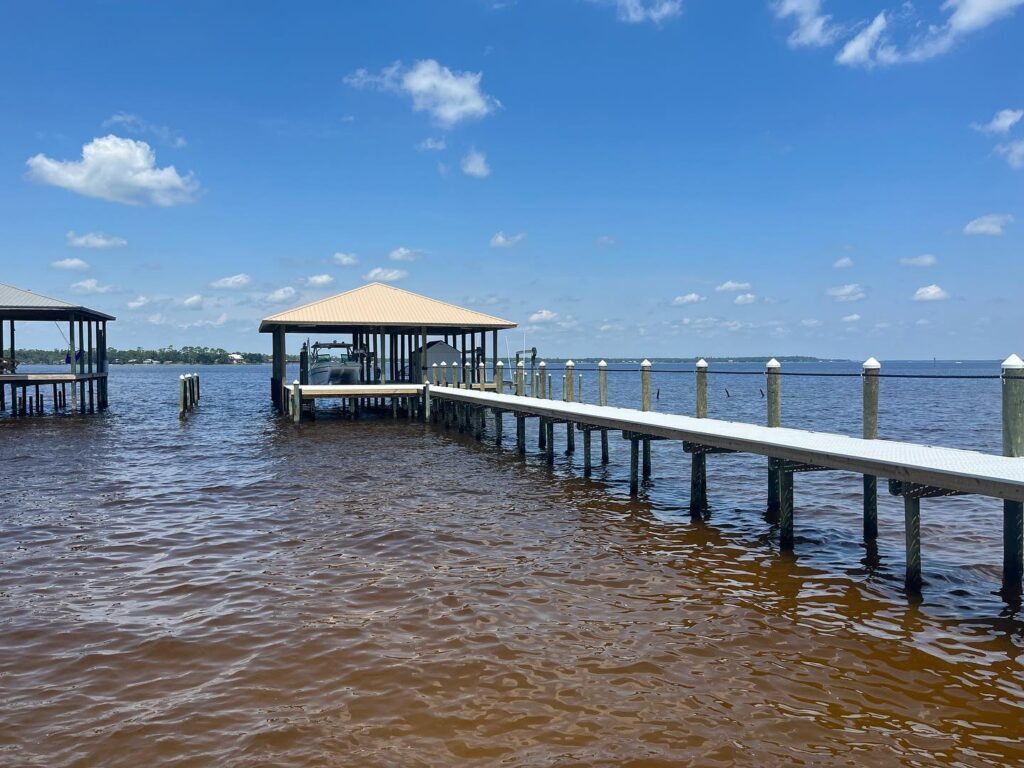
A well-built dock is far more than a convenient place to launch a boat or enjoy the waterfront. It is a structure that must withstand the constant pressure of waves, shifting tides, changing weather, and the uniquely harsh environment of coastal living. On the Gulf Coast, where wind, storms, saltwater, and fluctuating water levels can create challenges for any marine structure, a dock must be engineered with strength, durability, and longevity in mind. Understanding what makes a dock strong helps property owners make better decisions, whether they are building new, upgrading an existing dock, or maintaining the one they already have. While docks may appear simple at a glance, their performance and safety rely on thoughtful design and high-quality construction practices that work together to ensure stability for years to come.
Why Dock Strength Matters on the Gulf Coast
The Gulf Coast presents unique conditions that make proper dock construction essential. Constant exposure to saltwater accelerates corrosion on metal components and puts additional strain on the materials that keep the structure intact. Wind and wave action can shift loads unexpectedly, and storm surges can create sudden stress that weakens a dock not built to withstand powerful forces. Additionally, the shifting composition of coastal soil affects how pilings behave over time, causing movement if they are not adequately embedded or supported. These environmental factors make it clear that dock construction cannot be approached with a one-size-fits-all mindset. Instead, it must be informed by coastal engineering principles designed to support long-term durability. A strong dock is not simply a matter of appearance; it is a matter of safety, property value, and the ability to protect your waterfront investment.
The Importance of Choosing the Right Materials
One of the first steps in building a strong dock is selecting the right materials, because the quality and type of materials directly influence how well the dock will stand up to weather, water, and heavy use. Coastal environments require materials that resist decay, warping, corrosion, and wear. Pressure-treated lumber has long been a common choice, but marine-grade wood, composite decking, and even concrete options offer improved durability and lower maintenance, depending on the design. The hardware used in dock construction is equally important, as galvanized or stainless-steel fasteners help prevent structural failure caused by rust and corrosion. When materials are chosen based on the environmental conditions of the Gulf Coast, the dock gains a stronger foundation for long-term performance.
Pilings: The Foundation of Every Strong Dock
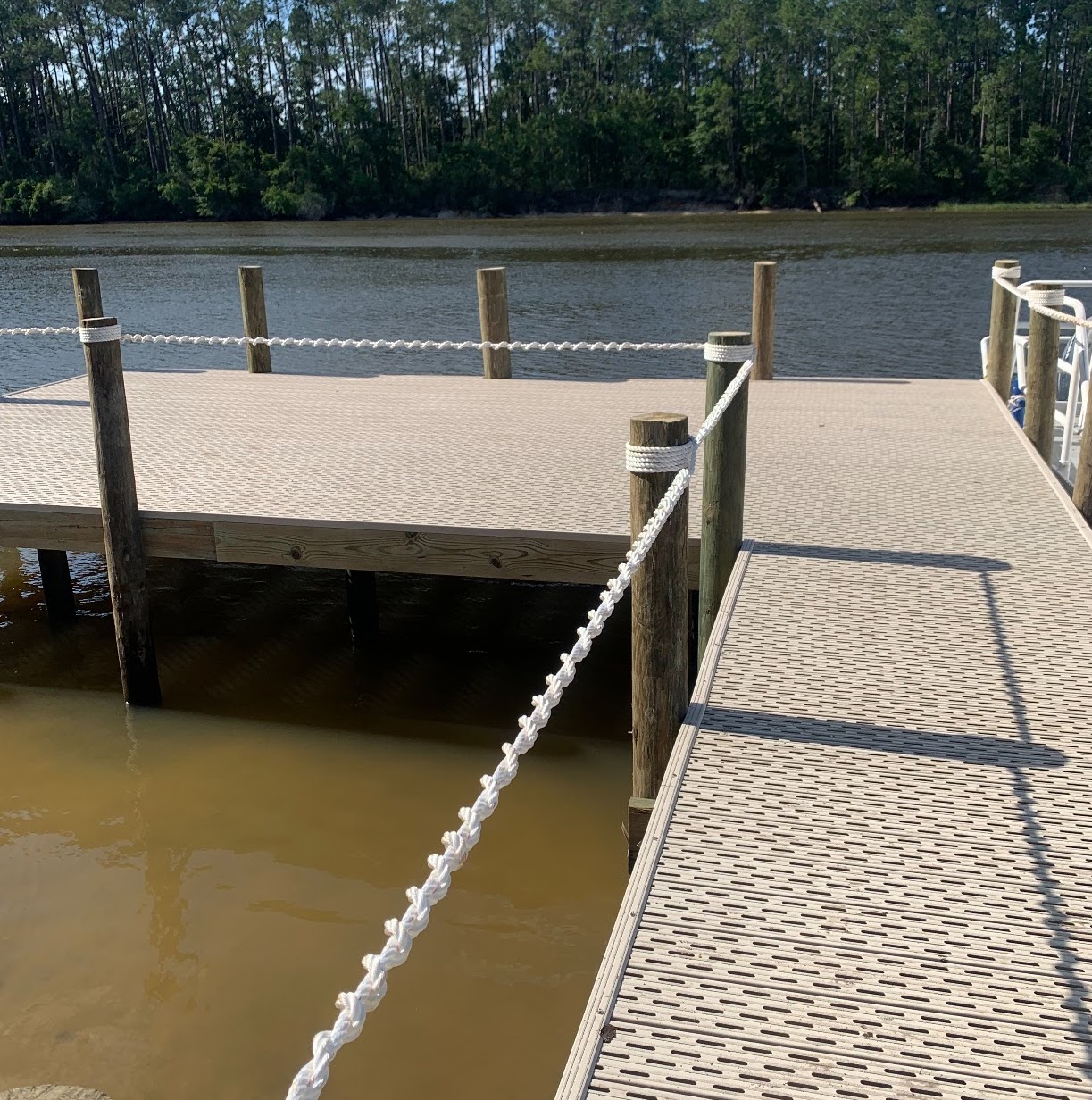
At the core of every dependable dock are its pilings. Pilings support the dock above water, absorb lateral forces from wind and waves, and distribute weight to the ground below. The strength of a dock depends heavily on how deep the pilings are driven and what they are made of. Wood pilings treated for marine conditions remain a common option, while concrete and composite pilings offer even greater resistance to marine borers and long-term wear. However, material alone does not determine the piling’s effectiveness. Proper installation is just as critical. Pilings that are not driven deep enough risk shifting or settling over time, especially in the softer soils found along the coastline. A professionally engineered and installed piling system ensures that the dock stands firm even under significant stress.
How Proper Structural Design Enhances Stability
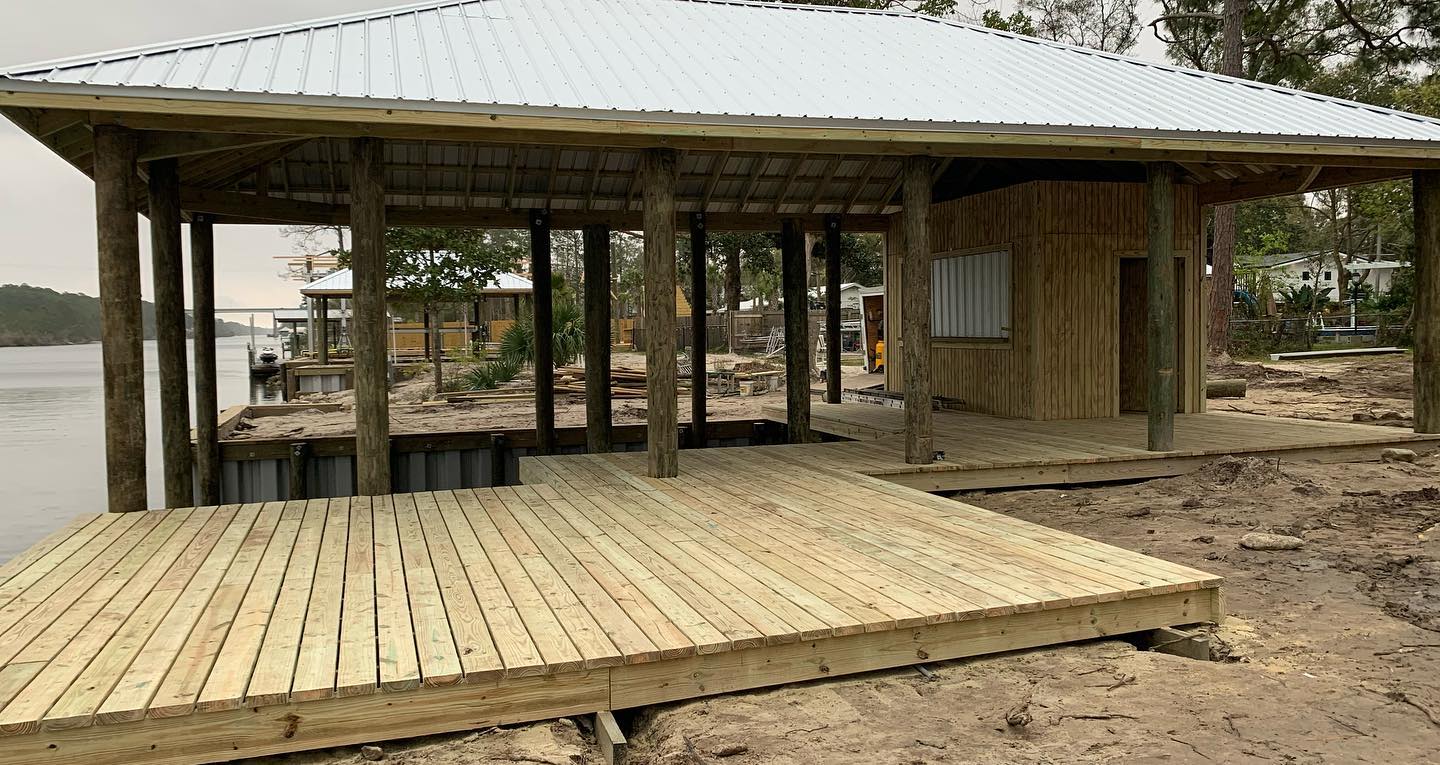
After the foundation is set, the structural framework of the dock plays a major role in its overall stability. A strong dock is built with precise attention to load distribution so that the structure can handle both everyday use and unexpected forces caused by storms or waves. Cross-bracing reinforces the dock, creating better resistance against lateral movement, while proper spacing of beams and joists prevents sagging or stress fractures. Additionally, the way the deck boards are installed can influence how the dock handles expansion, contraction, and moisture exposure. Every component of the structure must work together to create a dock that remains stable under pressure and provides safe access year after year.
Considering Wave and Current Exposure
Because docks on the Gulf Coast are constantly exposed to waves and water movement, a strong design must account for these stresses. The height of the dock above the waterline, the spacing between pilings, and the flexibility of the structure all contribute to how well the dock handles wave action. A dock that is too rigid may suffer damage during storms, while one that is too flexible might not provide enough stability underfoot. Additionally, areas with strong currents or tidal fluctuations require specialized engineering to prevent erosion around the pilings and keep the structure anchored securely. When a dock is built with a clear understanding of local water movement, it becomes significantly more resilient against long-term wear.
The Role of Tides and Water Level Changes
On the Gulf Coast, water levels can rise and fall dramatically throughout the year. A strong dock is designed to adapt to these changes without compromising stability or usability. This includes ensuring that the dock height is appropriate for the property’s tidal range and choosing a configuration that can accommodate varying water levels. Floating docks, for example, adjust naturally with rising and falling water, while fixed docks require precise engineering to ensure they remain functional regardless of tide. When water level changes are considered early in the design process, the dock remains accessible, safe, and structurally sound in all conditions.
Protecting Against Saltwater Corrosion
Saltwater is one of the harshest elements a dock will face. Highly corrosive, it breaks down metal components, weakens hardware, and deteriorates materials much faster than freshwater environments. A strong dock uses corrosion-resistant materials and protective coatings specifically designed for marine exposure. Regular cleaning and maintenance can help slow corrosion, but the most significant defense comes from choosing the right materials from the beginning. Stainless steel, marine-grade aluminum, and specially coated hardware offer superior performance and protection. By prioritizing corrosion resistance, dock owners reduce long-term repair needs and help preserve the dock’s structural integrity.
Why Professional Engineering Makes a Difference
While some docks may appear straightforward in design, professional engineering brings a level of precision and foresight that significantly enhances durability. Engineers consider soil composition, tidal forces, water depth, load expectations, and environmental stressors that could impact the dock over time. They design structures that comply with safety standards and perform reliably in real-world Gulf Coast conditions. Without professional planning, docks are far more susceptible to premature failure, instability, and costly repairs. Engineering ensures that the dock is not only built well but built smart, giving property owners confidence in the investment they’re making.
Maintenance as a Key Component of Longevity
Even the strongest docks require regular maintenance to stay in optimal condition. Environmental exposure, daily use, and seasonal weather all contribute to gradual wear. Inspecting hardware, replacing worn boards, treating wood surfaces, and checking pilings for movement or damage help prevent small issues from turning into major problems. A dock built with high-quality materials and solid engineering will require less frequent repairs, but proactive maintenance ensures it reaches its full lifespan. Property owners who invest in routine care protect both their dock and their waterfront property as a whole.
Investing in a Dock Built for Gulf Coast Conditions
Choosing the right design, materials, and construction approach ensures that a dock can withstand the demands of coastal living. The Gulf Coast’s unique combination of saltwater exposure, wave activity, strong winds, and shifting soil requires structures built with resilience in mind. When a dock is engineered for durability, supported by strong pilings, constructed with corrosion-resistant materials, and maintained properly, it becomes a long-lasting asset that enhances the functionality and value of any waterfront property. Quality dock construction is not just about creating a place to access the water; it is about building a structure designed to perform reliably through years of changing tides, storms, and environmental stress. By understanding the factors that contribute to a strong dock, property owners can make informed decisions that ensure safety, durability, and enjoyment for many seasons to come.



2 Comments. Leave new
https://shorturl.fm/nlZPu
https://shorturl.fm/PHrDy