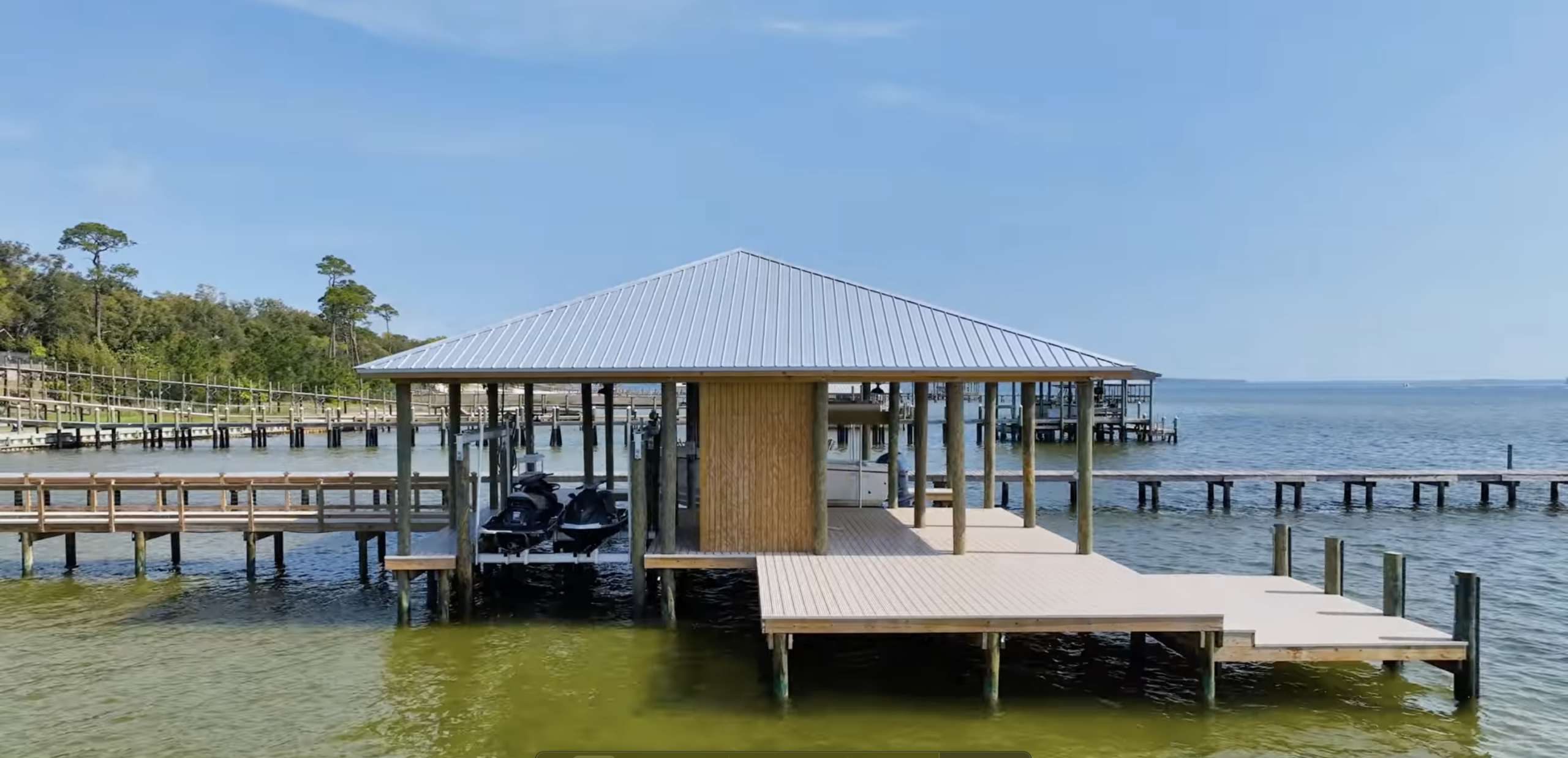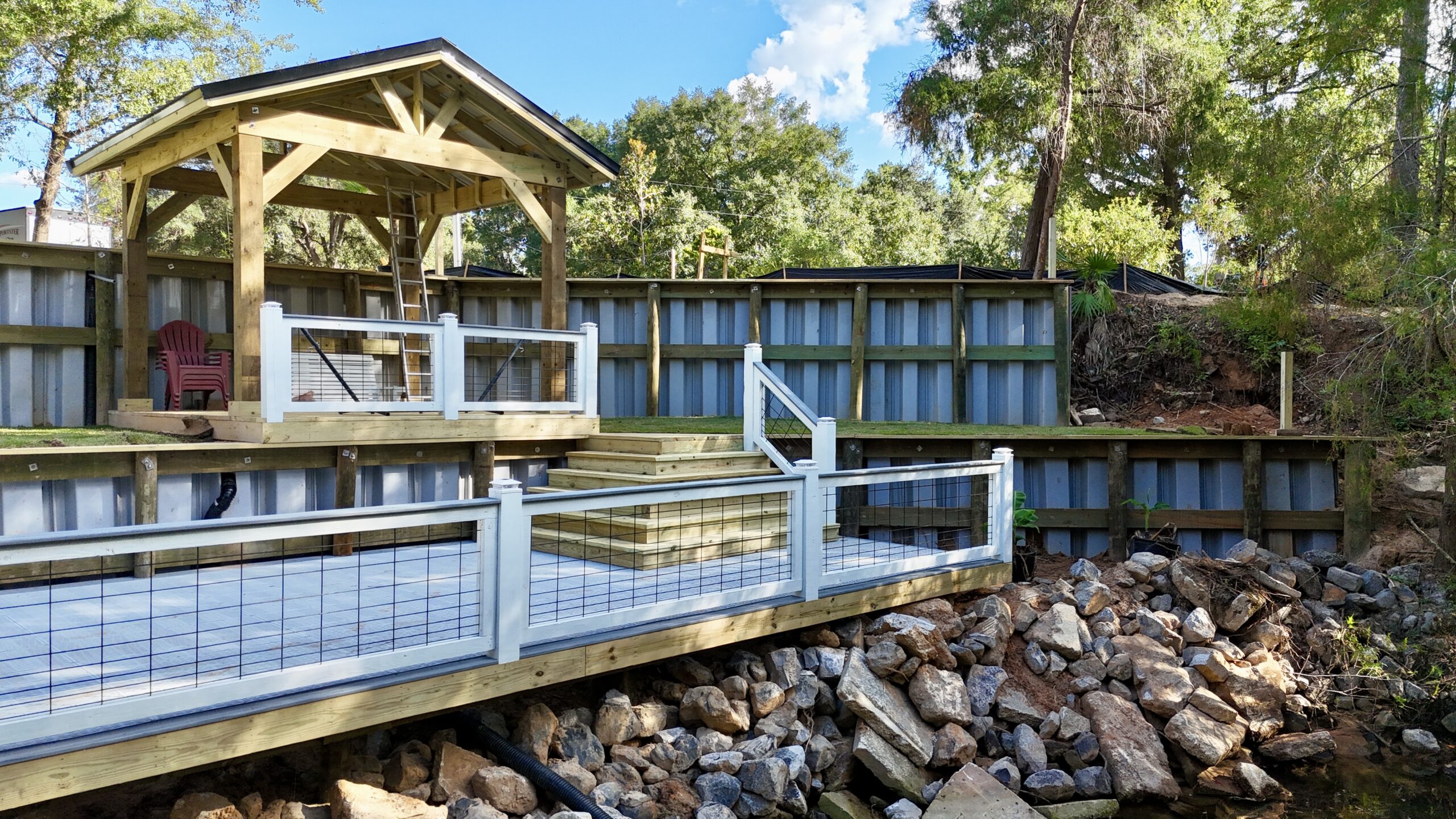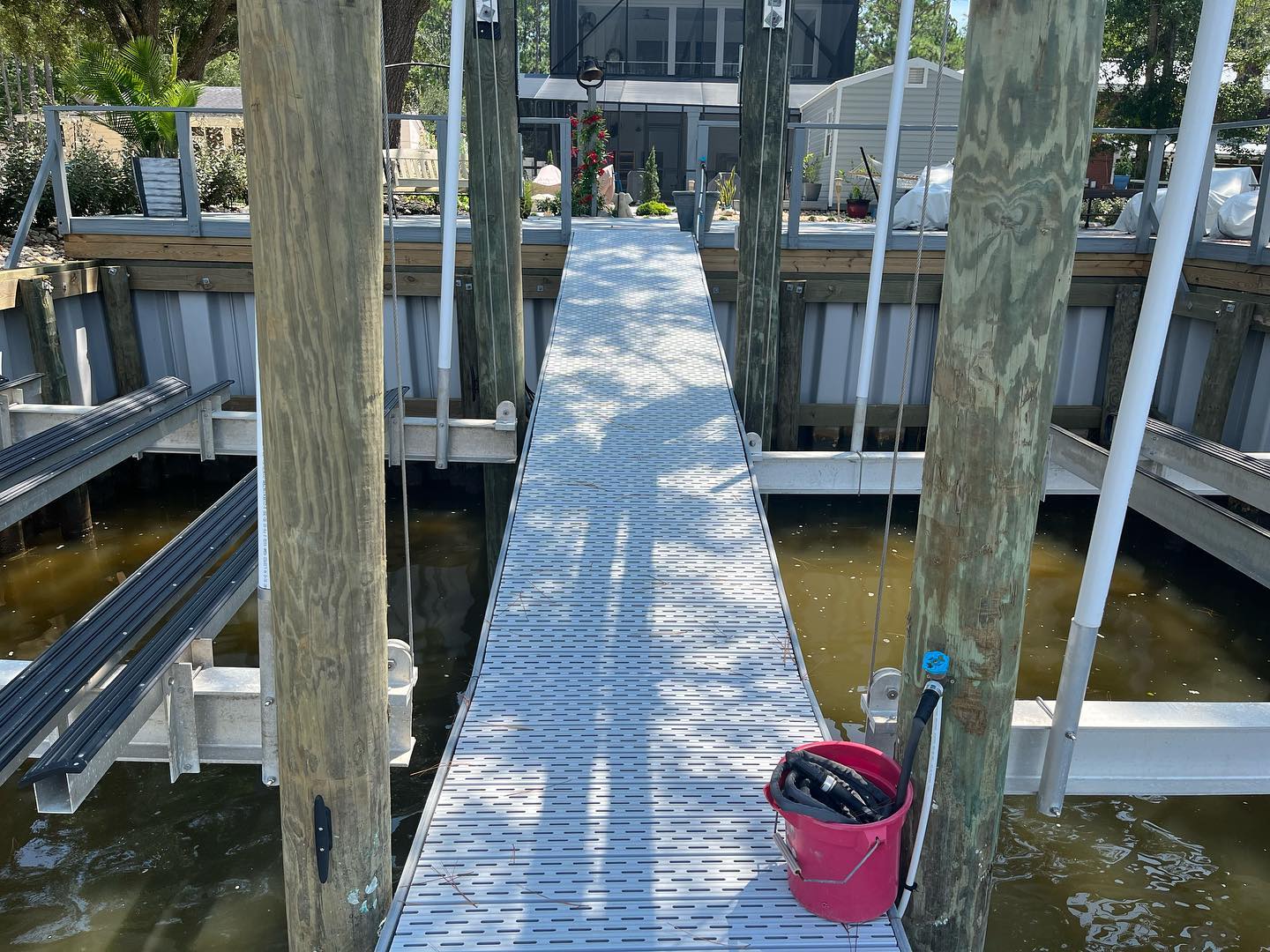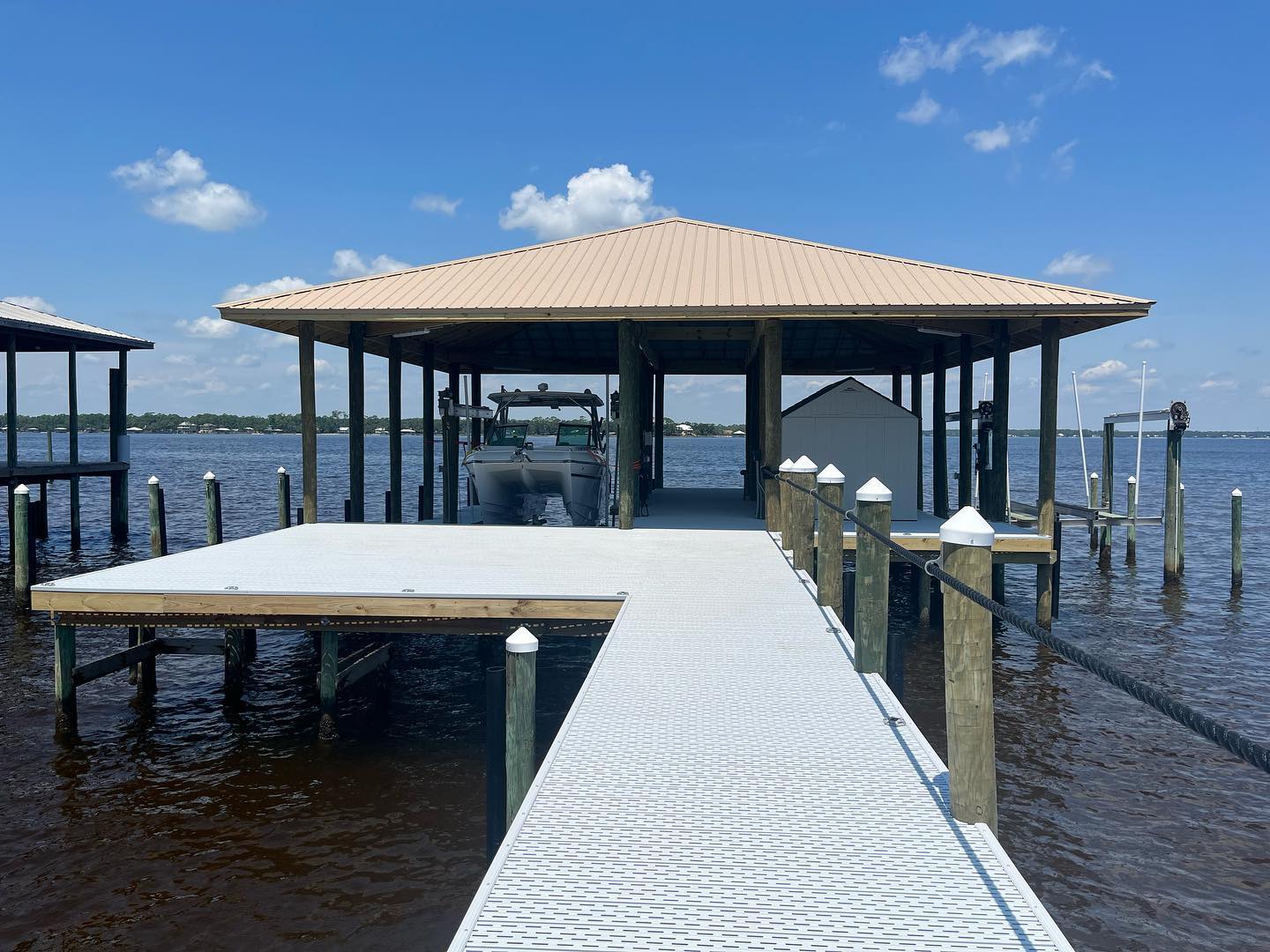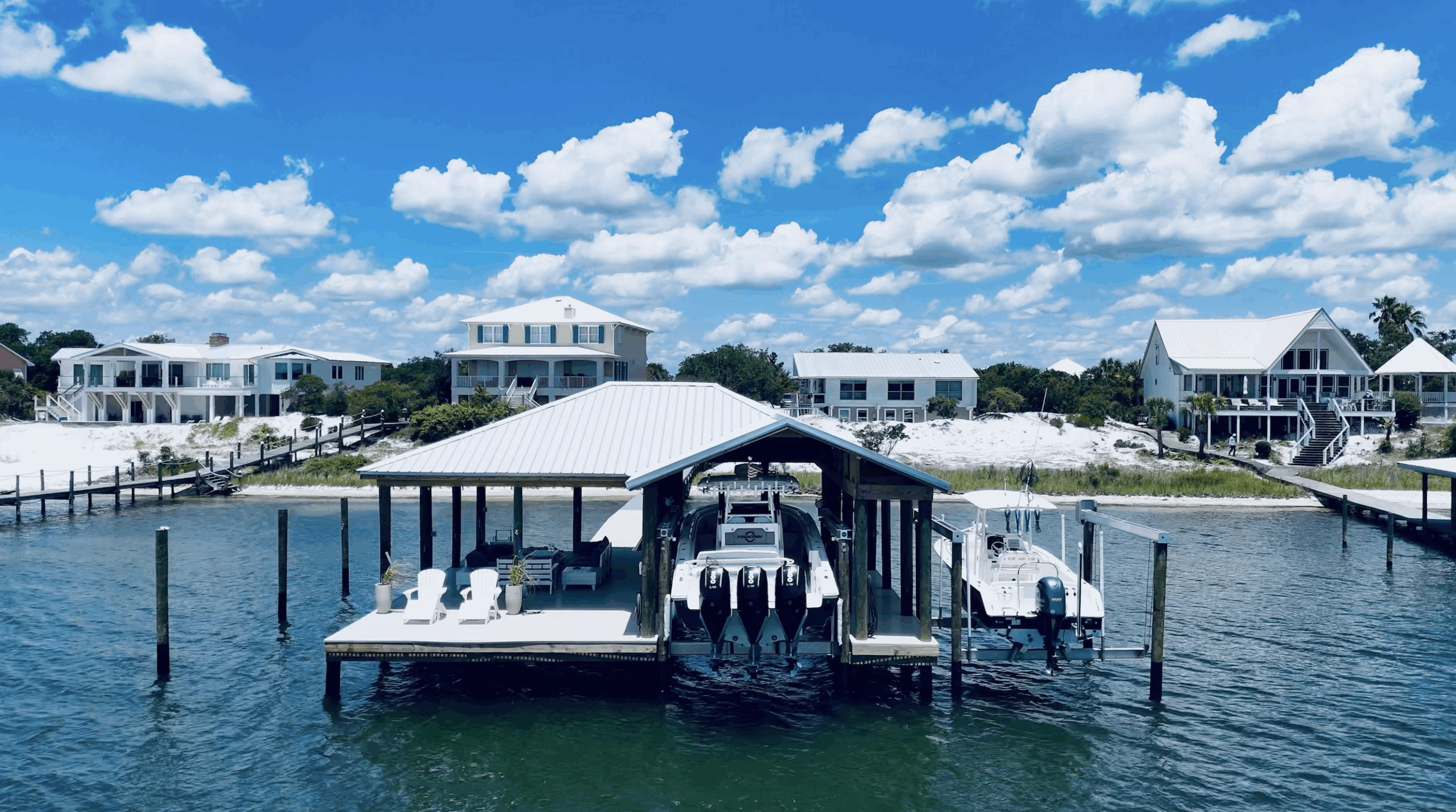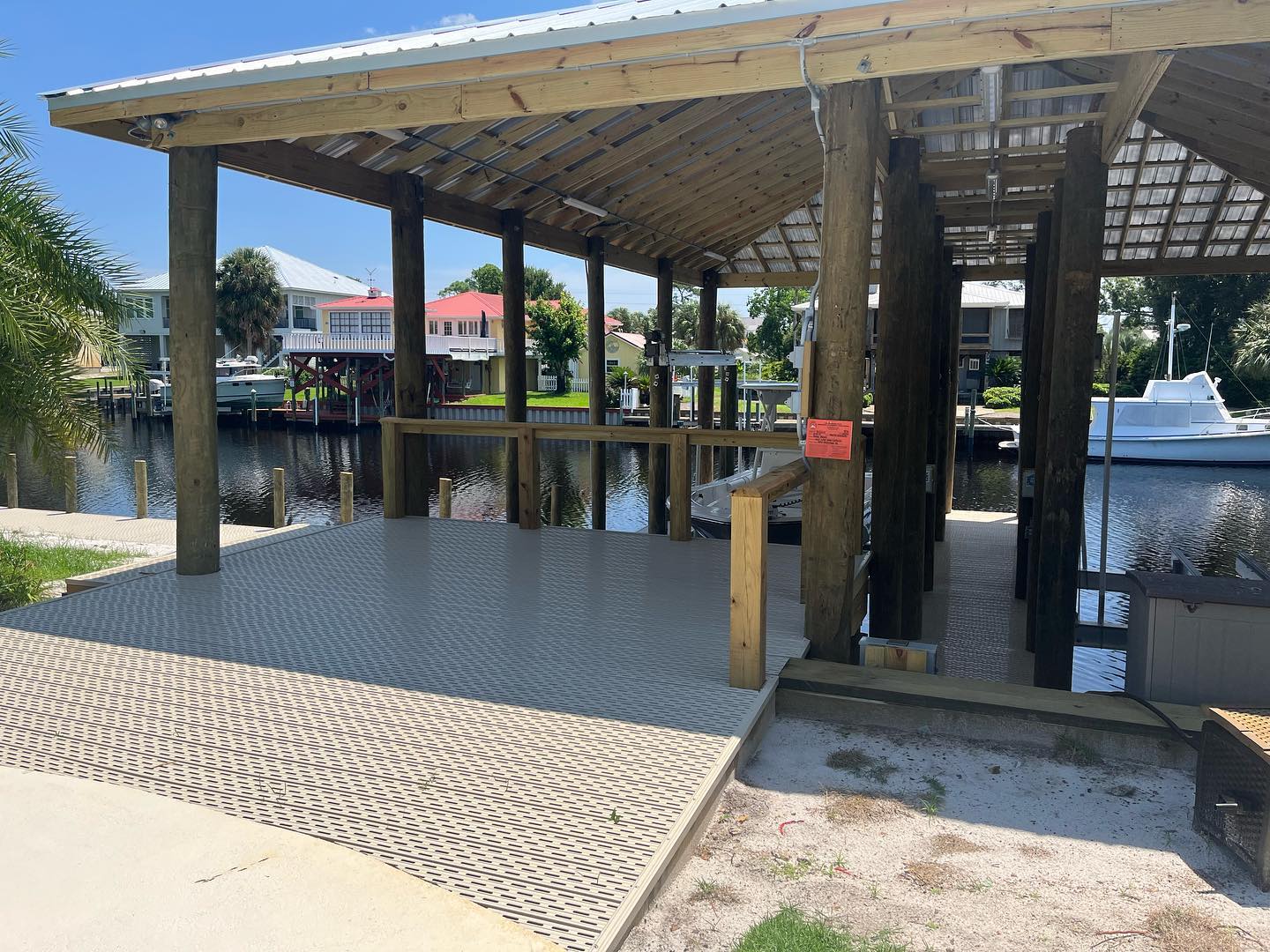
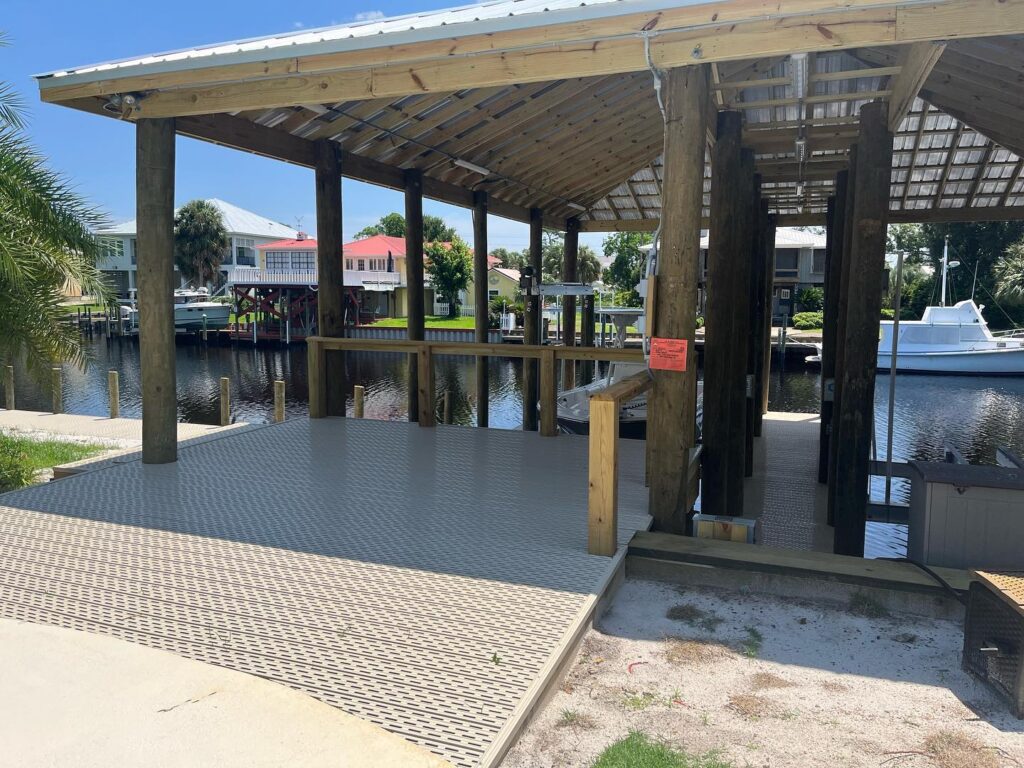
Constructing a dock or waterfront structure is an exciting way to enhance your property, whether for recreational use, boating, or commercial purposes. However, building on or near water comes with unique challenges that require careful planning and expert execution. From selecting the right materials to complying with local regulations, every decision impacts the durability, safety, and functionality of your dock. In this blog, we’ll explore the essential considerations for dock and waterfront construction, ensuring your project is both long-lasting and enjoyable.
Understanding the Purpose of Your Dock
Before breaking ground, it’s important to define the purpose of your dock:
-
Recreational Use: Docks for swimming, lounging, or small watercraft may prioritize aesthetic appeal and comfort.
-
Boating Access: Docks intended for boats must accommodate specific vessel sizes, weight, and maneuverability.
-
Commercial Use: Structures supporting commercial operations, like marinas or waterfront businesses, require robust engineering and compliance with stricter regulations.
Understanding your dock’s primary function helps determine size, load capacity, materials, and design features from the start.
Regulatory and Permitting Requirements
Waterfront construction is highly regulated to protect the environment, public safety, and waterway usage. Failing to obtain proper permits can result in fines, removal orders, or costly redesigns.
Key Regulatory Considerations:
-
Local and State Permits: Most coastal areas require permits for docks, seawalls, and other waterfront structures.
-
Environmental Restrictions: Construction may be limited to protect wetlands, marine life, or shoreline vegetation.
-
Waterway Regulations: Certain waterways have restrictions on dock length, height, or access points.
Working with an experienced contractor like GCLM Construction ensures all permits are secured, and your project meets local, state, and federal requirements.
Selecting the Right Materials
Material choice is one of the most important factors in waterfront construction. Water, salt, and weather exposure can quickly damage standard building materials if not properly selected.
Common Options for Docks and Waterfront Structures:
-
Pressure-Treated Lumber: Cost-effective and resistant to rot, commonly used for decking and pilings.
-
Composite Materials: Low-maintenance and durable, ideal for decks and walkways exposed to moisture.
-
Concrete: Highly durable and ideal for pilings, seawalls, and high-traffic structures.
-
Steel or Aluminum: Provides structural strength for pilings and frameworks, resistant to warping and decay.
Choosing the right material depends on budget, aesthetic preferences, environmental conditions, and maintenance considerations.
Designing for Stability and Safety
A dock must be stable and safe for all intended users. Proper design accounts for water levels, tides, current, and seasonal changes.
Design Considerations:
-
Load Capacity: Ensure the dock can safely support people, equipment, and boats.
-
Elevation: The dock should remain functional during high and low tides.
-
Anchoring and Pilings: Properly anchored pilings prevent movement, tipping, or washout during storms.
-
Safety Features: Include railings, non-slip surfaces, and adequate lighting for safe use day and night.
Structural integrity is essential for long-term use and minimizing maintenance costs.
Environmental and Erosion Considerations
Waterfront construction can significantly impact the surrounding ecosystem. Proper planning helps minimize environmental damage and protects your investment from erosion or storm damage.
-
Shoreline Erosion Control: Incorporate riprap, seawalls, or retaining walls to prevent washouts.
-
Vegetation Protection: Preserve native plants along the shoreline to maintain natural stability.
-
Stormwater Management: Plan drainage systems to reduce runoff and protect water quality.
-
Minimizing Impact: Use environmentally friendly materials and construction methods whenever possible.
Balancing functionality with environmental responsibility ensures your dock remains compliant, sustainable, and durable.
Maintenance and Longevity
Even with careful planning and construction, ongoing maintenance is crucial for extending the life of your dock.
Maintenance Tips:
-
Regular Inspections: Check for loose boards, corrosion, or shifting pilings.
-
Cleaning: Remove algae, debris, and barnacles to prevent surface deterioration.
-
Protective Coatings: Apply sealants or anti-corrosion treatments to wood and metal components.
-
Storm Preparation: Secure boats and remove movable elements ahead of severe weather.
Consistent maintenance protects your investment and ensures safe, reliable use year after year.
Working With Experienced Professionals
Waterfront construction is complex, and mistakes can be costly. Partnering with experienced professionals ensures proper site evaluation, engineering, permitting, and construction.
GCLM Construction brings expertise in both land and marine projects, offering:
-
Customized dock design tailored to your property and needs
-
Compliance with all regulatory and environmental requirements
-
Knowledge of durable, low-maintenance materials
-
Skilled installation and long-term maintenance guidance
With the right team, your dock or waterfront structure can be a functional, beautiful, and lasting addition to your property.
Final Thoughts
Dock and waterfront construction requires careful planning, expert knowledge, and attention to detail. From understanding the purpose of your dock to selecting durable materials, complying with regulations, and designing for stability, each step ensures your project is safe, functional, and long-lasting.
By partnering with professionals like GCLM Construction, homeowners and business owners can enjoy waterfront access without the stress of costly mistakes or maintenance headaches. Proper planning today protects your investment for decades, making your waterfront property both enjoyable and valuable.