When a project is being planned along the water, what you see from shore is only part of the picture.
Every waterfront property has its own set of conditions. Water depth, tides, currents, sediment, shoreline stability, existing structures, access, and conditions beneath the water can all influence how a marine project should be designed and constructed.
That is why proper site assessment should happen before construction begins.
Whether the project involves a dock, seawall, bulkhead, piling system, dredging, or another waterfront improvement, understanding the site from the beginning can help identify challenges, guide design decisions, and create a more effective construction plan.
Every Waterfront Site Is Different
Two properties located only a short distance apart can have very different marine conditions.
Water depth can change significantly across a site. Sediment and soil conditions can vary beneath the surface. Currents and wave exposure can affect different portions of the shoreline, while existing structures may create additional considerations.
Because of these differences, a construction approach that works well at one waterfront property may not be appropriate for another.
A successful project begins by understanding the specific conditions of the site rather than assuming every waterfront project can be approached the same way.
What Happens Beneath the Water Matters
One of the biggest challenges in marine construction is that some of the most important project conditions aren’t immediately visible.
The shoreline may appear stable while conditions beneath the water tell a different story. The seabed and underlying soils can affect the installation of piles, anchors, bulkheads, and other structural components.
Understanding these conditions can help determine what type of foundation or support system may be appropriate.
This is particularly important for structures that need to withstand constant exposure to water, changing tides, currents, storms, and other environmental forces.
The right solution starts with knowing what you’re building on.
Water Depth and Tidal Conditions Influence the Plan
Water is constantly moving.
Tides change water levels throughout the day, while currents can affect how equipment and materials are handled during construction. Seasonal conditions and weather can also influence marine operations.
These factors can affect everything from equipment selection to access and installation methods.
A project needs to account for the conditions crews will encounter during construction, not simply how the site looks during an initial visit.
Proper planning can help identify operational challenges before they become problems in the field.
Existing Structures Need to Be Evaluated
Many marine projects aren’t starting with a completely undeveloped site.
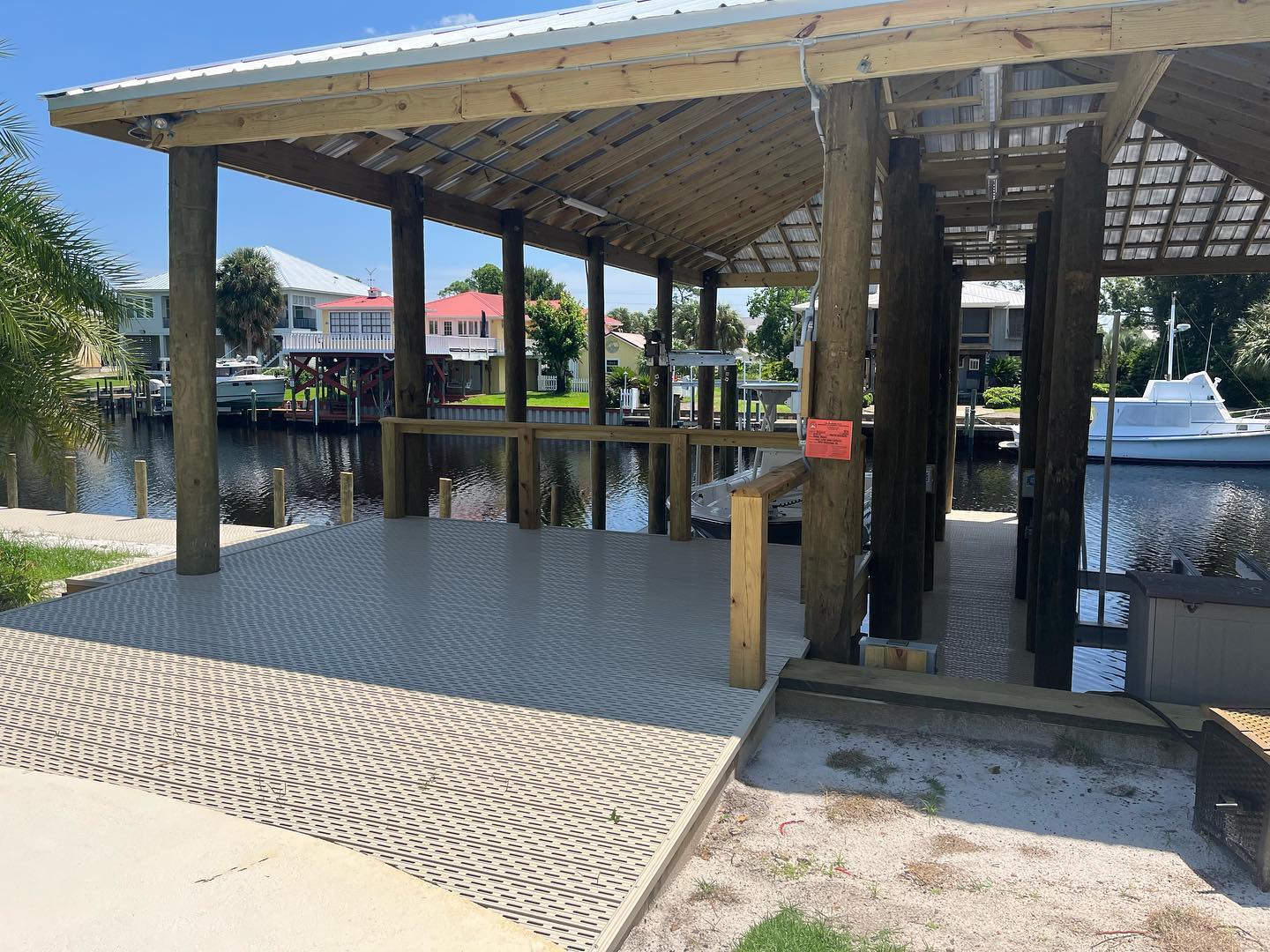
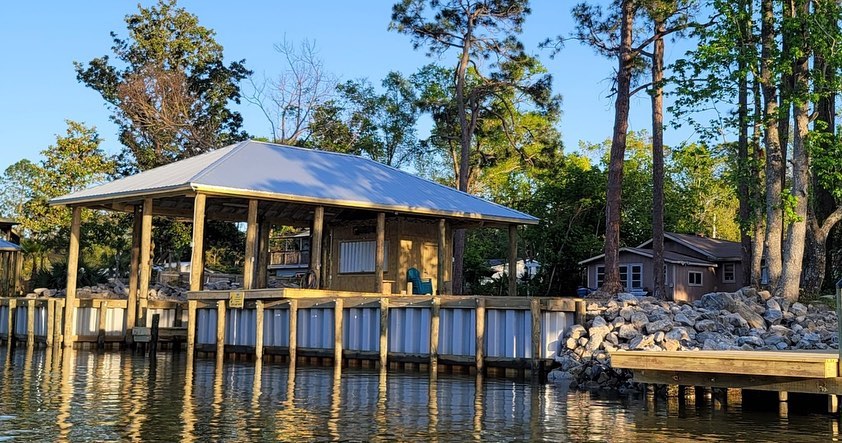
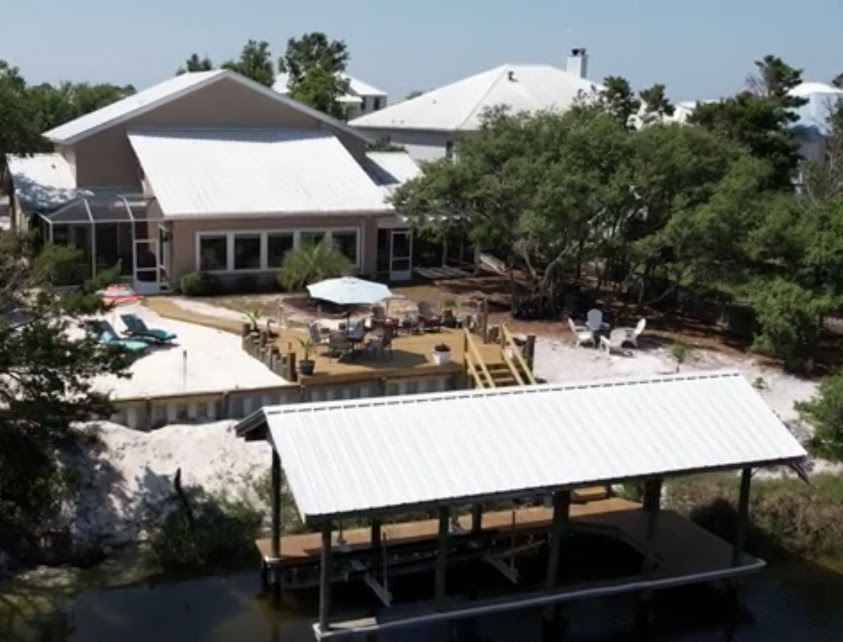
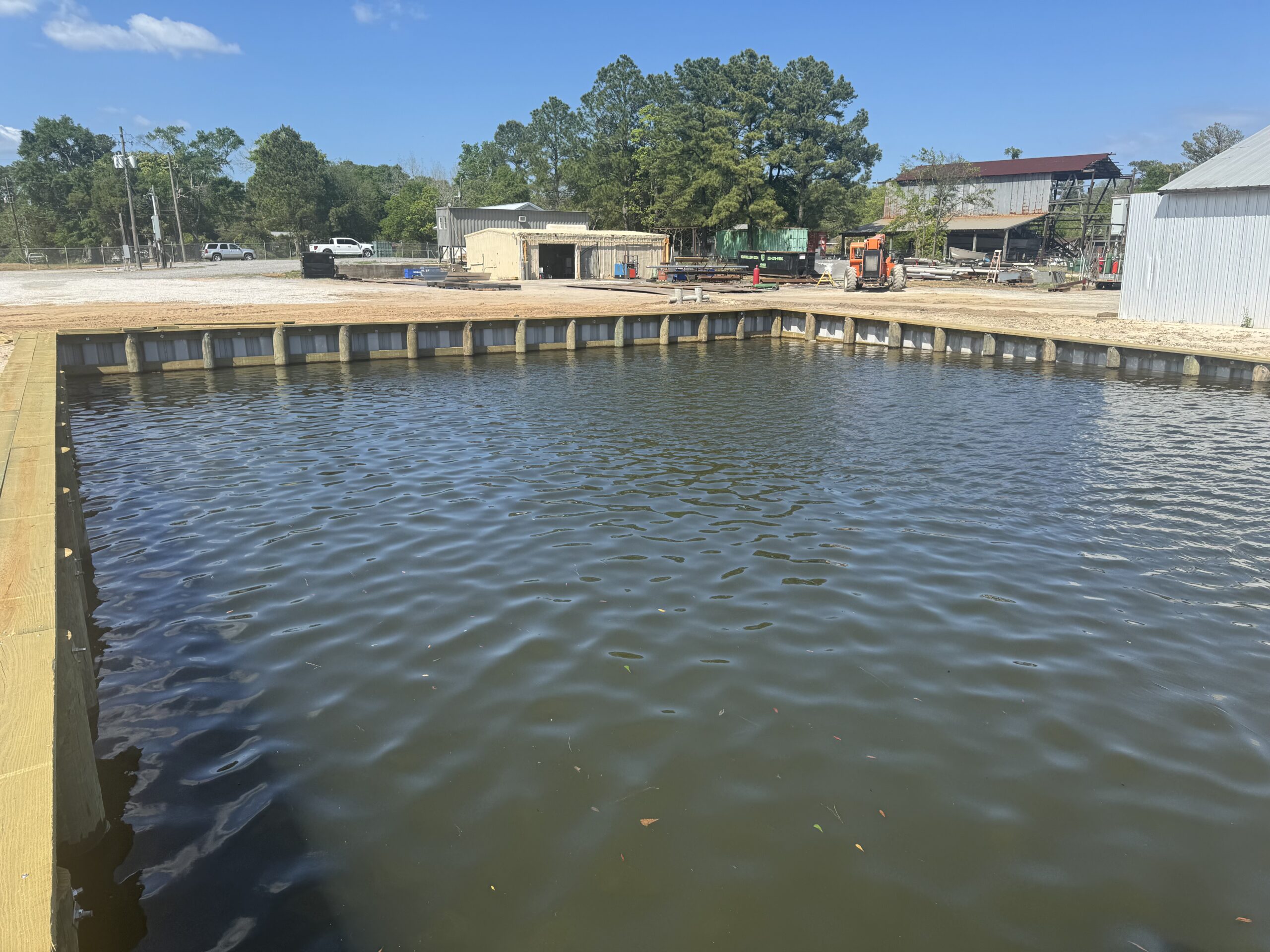
There may already be docks, seawalls, bulkheads, pilings, boat lifts, walkways, or other structures in place.
Before modifying or building around an existing structure, it’s important to understand its current condition and how it interacts with the surrounding site.
An existing structure may need to be incorporated into the new design, repaired, reinforced, removed, or replaced.
Understanding what’s already there can help prevent unexpected complications once work begins.
Access Is Part of the Construction Plan
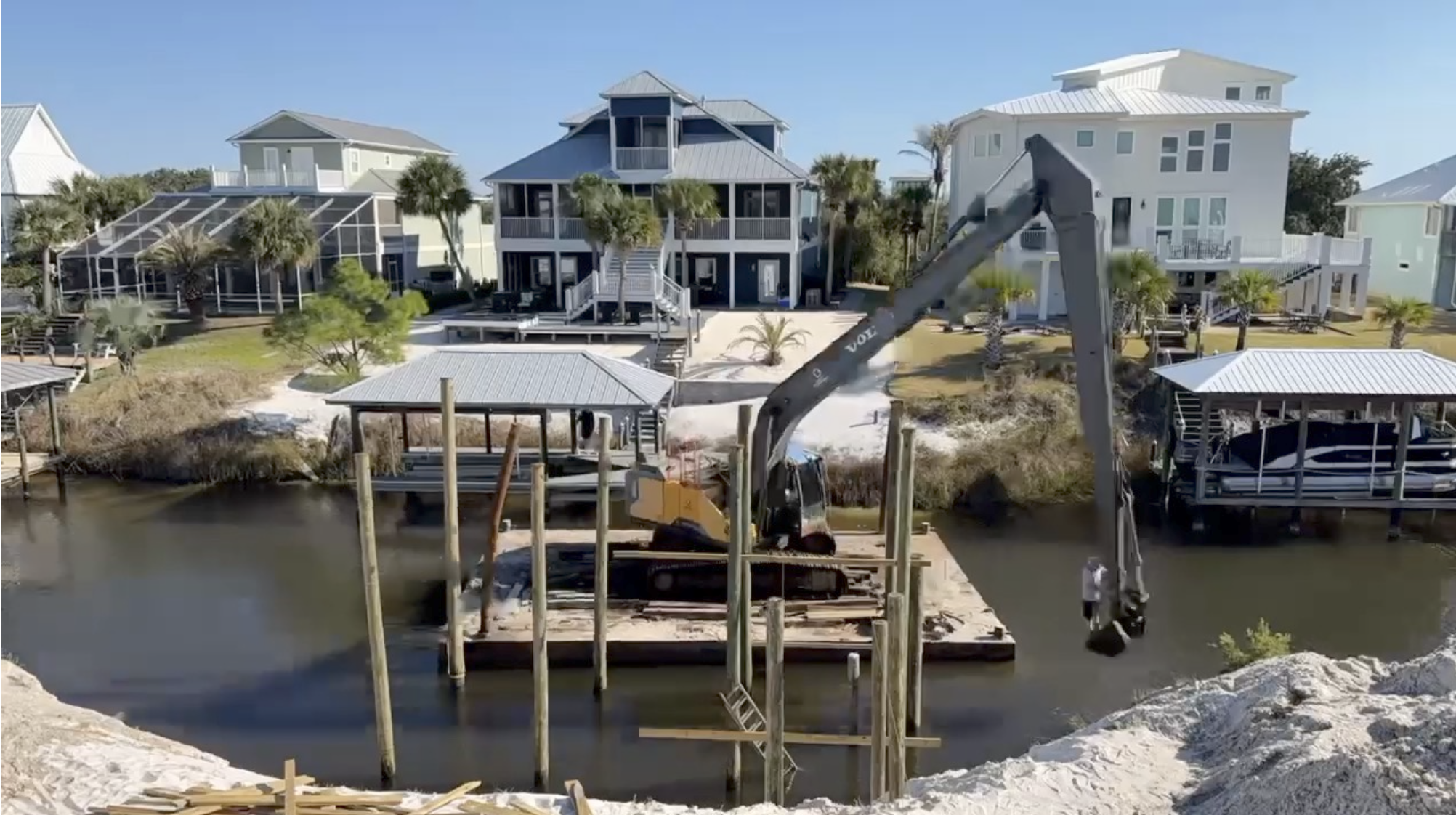
Getting equipment and materials to a marine construction site isn’t always as simple as bringing a truck onto a jobsite.
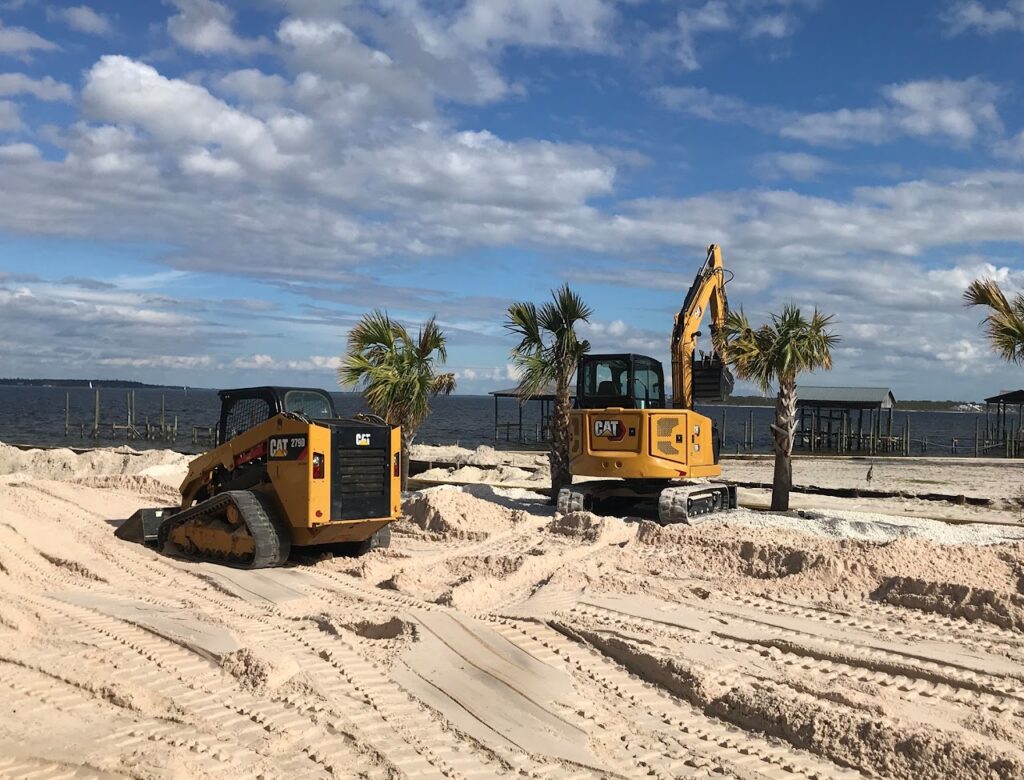
Water access, shoreline access, property layout, water depth, and surrounding structures can all affect how equipment reaches the project.
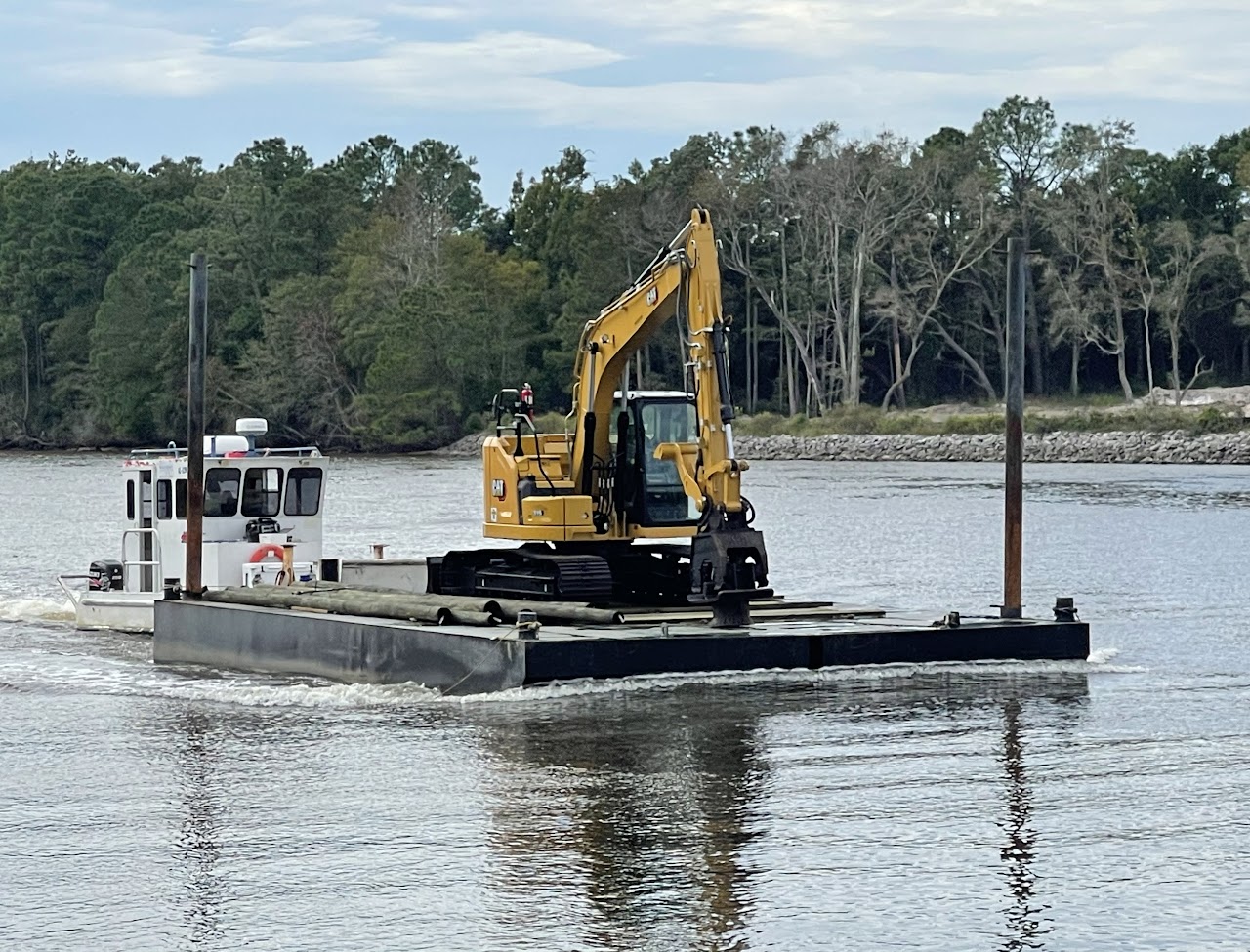
Marine equipment may be needed to complete certain portions of the work, and the available access can influence which equipment is practical.
Planning these logistics in advance is an important part of developing an efficient approach to the project.
Dredging and Sediment Conditions Matter
For projects involving dredging, understanding the existing bottom conditions is particularly important.
Sediment type, depth, volume, and location can all affect how dredging operations are planned. The material being removed and the intended final depth of the area can also influence the scope of work.
Dredging isn’t simply a matter of removing material from the bottom. It requires planning around equipment, access, environmental considerations, disposal or placement requirements, and the intended result.
A thorough understanding of the site helps establish a more informed plan before equipment ever enters the water.
Environmental and Permitting Considerations
Marine construction can involve environmental and regulatory considerations that don’t exist in the same way on every land-based project.
Depending on the location and scope of work, permits, environmental requirements, navigation considerations, and other regulations may need to be addressed before construction begins.
Understanding these requirements early can help keep the project moving in the right direction.
It can also prevent situations where construction plans need to be significantly changed because an important consideration wasn’t identified until later.
The Right Equipment Depends on the Project
Marine construction requires specialized equipment, but not every project requires the same tools.
Depending on the scope and site conditions, projects may involve barges, linear winches, anchors, piles, dredging equipment, or other marine equipment.
Selecting the right equipment isn’t simply about having access to machinery. It involves understanding what the equipment needs to accomplish and whether it can operate effectively within the conditions of the site.
Site assessment and project planning work together to help determine the most appropriate approach.
Good Planning Can Reduce Surprises
No construction project is completely free of unexpected conditions, but thorough planning can help reduce unnecessary surprises.
Identifying potential challenges before work begins gives project teams more opportunity to address them.
It can also help with estimating, scheduling, equipment planning, material requirements, and overall project coordination.
In marine construction, where access and conditions can make changes more complicated once work is underway, early planning becomes even more valuable.
Experience Matters at the Water’s Edge
Marine construction requires an understanding of both construction principles and the environment in which the work is taking place.
Water, weather, tides, currents, sediment, equipment, and existing structures all become part of the equation.
Experience helps project teams recognize potential challenges and develop practical solutions based on actual site conditions.
At GCLM, our approach begins with understanding the project and the environment around it. From consultancy and advisory services to design and engineering, marine operations, equipment, dredging, anchors, and piling systems, each part of the process contributes to creating a plan that works for the specific project.
Building a Better Plan Starts Before Construction
A successful marine project doesn’t begin when the first piece of equipment arrives.
It begins with understanding the site.
Knowing what’s happening above and below the water, evaluating existing conditions, considering access and environmental requirements, and selecting the appropriate equipment all contribute to better project planning.
The more thoroughly a site is understood, the more informed the decisions can be throughout the project.
At GCLM, we believe that successful marine work starts with preparation, experience, and a clear understanding of the challenges at hand.
Before you build at the water’s edge, understand what’s beneath it.
When you’re planning a marine project, GCLM is ready to help you evaluate the conditions, develop the approach, and move your project forward.