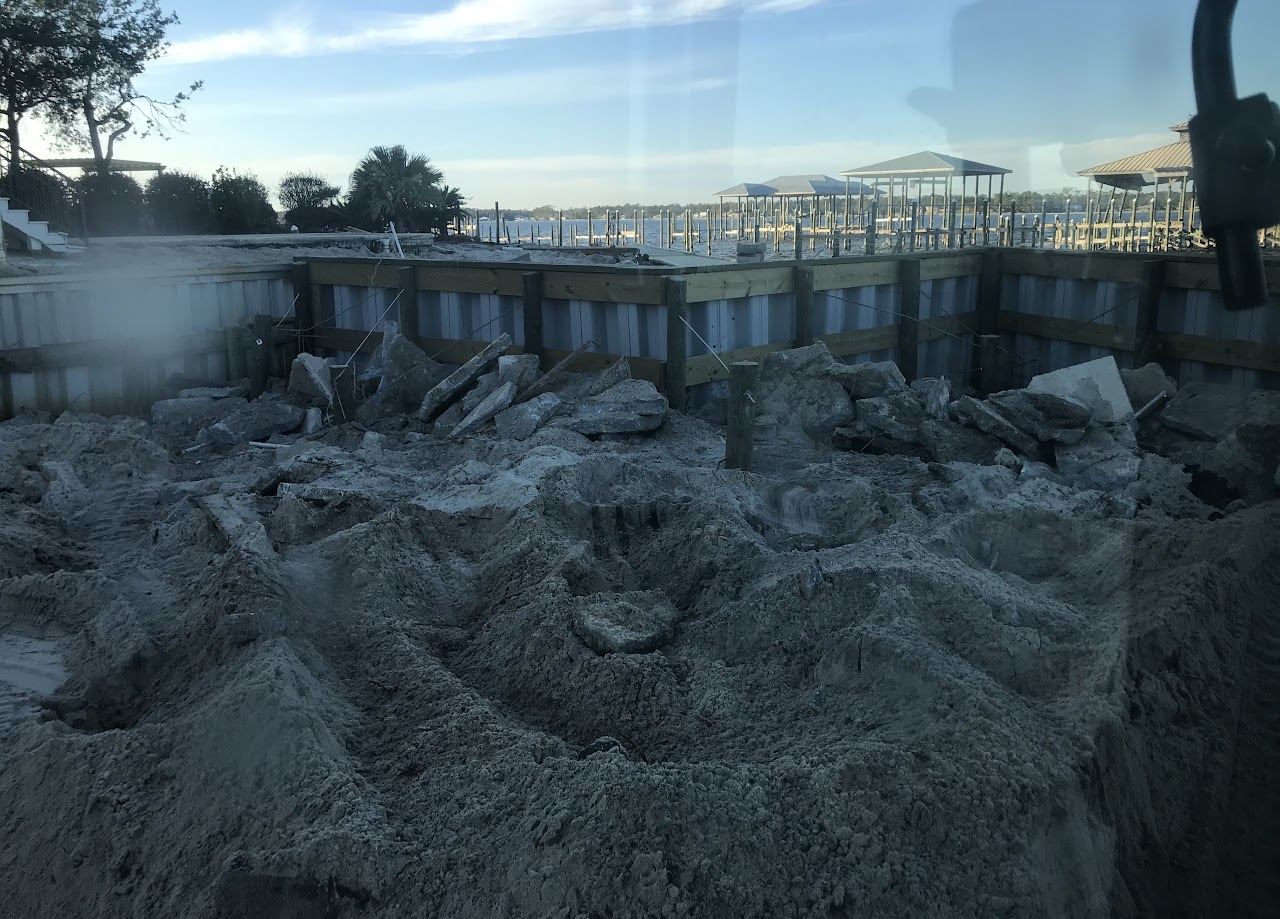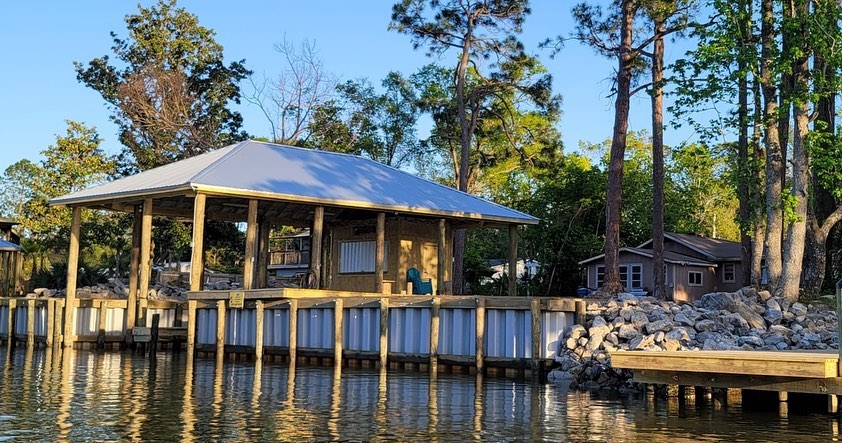
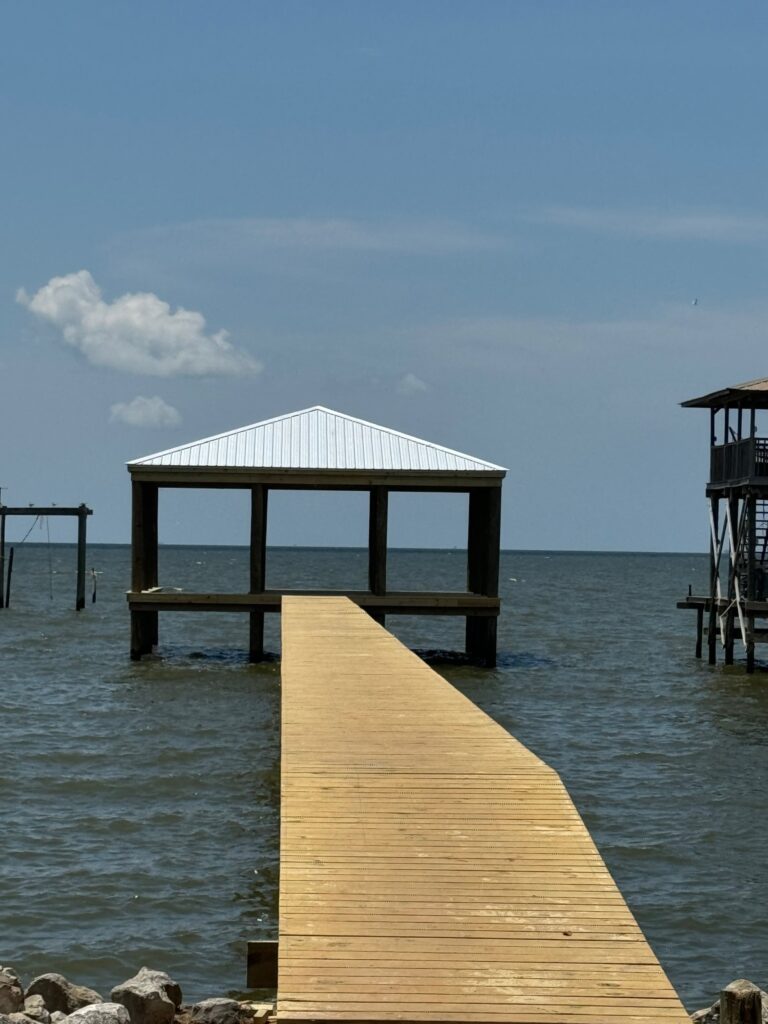
Marine structures are built to endure some of the harshest conditions found in construction. Constant exposure to water, shifting soils, tides, storms, and corrosion creates challenges that do not exist in traditional land-based projects. When marine structures fail, the consequences can be costly, disruptive, and difficult to repair. Understanding where failures most commonly occur — and how they can be prevented — is essential for property owners, developers, and municipalities investing in waterfront infrastructure.
Successful marine construction is not about reacting to problems after they appear. It is about identifying potential failure points early and engineering solutions that ensure long-term performance and durability.
Inadequate Site Evaluation and Soil Analysis
One of the most common causes of marine structure failure begins before construction ever starts. Inadequate site evaluation and insufficient soil analysis can lead to serious structural issues over time. Marine environments often involve soft, shifting, or highly variable soils that behave very differently than those found inland.
Without a thorough understanding of subsurface conditions, foundations may be under-designed or improperly placed. This can result in settlement, movement, or instability that compromises the entire structure. Proper geotechnical investigations and site assessments allow engineers to design foundations that account for load requirements, soil behavior, and environmental forces.
Preventing this type of failure starts with comprehensive planning and professional evaluation rather than assumptions based on nearby sites.
Improper Foundation Design or Installation
Foundations are the backbone of any marine structure. When foundation systems are not designed or installed correctly, failure is often inevitable. Common issues include piles driven to insufficient depths, inadequate embedment into stable soils, or misalignment during installation.
Marine foundations must account for vertical loads, lateral forces from waves and currents, and long-term exposure to water. Precision during installation is just as important as proper design. Experienced operators and careful oversight are critical to ensuring foundations perform as intended.
Preventing foundation-related failures requires a combination of detailed engineering, skilled crews, and constant quality control throughout installation.
Corrosion and Material Degradation
Saltwater environments are highly corrosive, making material selection one of the most critical decisions in marine construction. Using materials not suited for prolonged exposure to moisture, salt, and marine organisms can significantly shorten the lifespan of a structure.
Steel components may corrode, fasteners can weaken, and untreated or improperly treated materials can deteriorate rapidly. Even concrete can suffer if it is not designed for marine exposure.
Preventing material-related failures involves selecting corrosion-resistant materials, applying protective coatings, and designing structures with durability in mind. Investing in quality materials upfront reduces maintenance costs and extends the service life of marine structures.
Poor Drainage and Water Management
Water is a constant presence in marine environments, but improper drainage and water management can still cause serious issues. Trapped water can lead to erosion, undermine foundations, and accelerate material degradation.
Failure to account for drainage patterns, tidal fluctuations, and storm surge can result in standing water where it should not exist. Over time, this can weaken structures and compromise stability.
Effective drainage design ensures water flows away from critical components and reduces the risk of long-term damage. Preventing these issues requires careful planning and an understanding of how water interacts with the structure under both normal and extreme conditions.
Ignoring Environmental Forces
Marine structures are continuously subjected to environmental forces such as wave action, tides, wind, and storm surge. Underestimating these forces is a common failure point, especially in coastal regions where weather conditions can change rapidly.
Structures that are not designed to handle extreme events may perform adequately under normal conditions but fail during storms or unusually high tides. Engineering designs must consider worst-case scenarios rather than average conditions.
Preventing environmentally driven failures means designing with resilience in mind and incorporating safety margins that allow structures to withstand extreme forces without catastrophic damage.
Lack of Proper Maintenance Planning
Even well-designed marine structures require maintenance. A lack of long-term maintenance planning can turn small issues into major failures. Minor corrosion, loose fasteners, or early signs of erosion can escalate quickly if left unaddressed.
Successful marine projects include maintenance considerations during the design phase, making inspections and repairs accessible and manageable. Routine inspections help identify issues early, when they are easier and less expensive to correct.
Preventing maintenance-related failures requires both good design and a commitment to long-term care.
Inadequate Construction Oversight
Marine construction involves many moving parts, including specialized equipment, operators, engineers, and regulatory requirements. Without proper oversight, small mistakes can go unnoticed and compound into significant problems.
Miscommunication, deviations from design plans, or rushed installation can all lead to structural weaknesses. Consistent oversight ensures that construction is performed according to specifications and that any issues are addressed immediately.
Strong project management and experienced supervision are essential to preventing errors that could compromise the integrity of the structure.
The Importance of Proactive Planning
The most effective way to prevent failures in marine structures is proactive planning. This means addressing potential risks during the earliest stages of the project rather than reacting to problems later.
When site conditions, engineering design, materials, construction methods, and environmental factors are all carefully considered, the likelihood of failure is significantly reduced. Proactive planning also improves efficiency, reduces unexpected costs, and ensures better long-term performance.
Building Marine Structures That Last
Marine construction is inherently complex, but failures are not inevitable. Most common failure points can be avoided through thoughtful planning, expert engineering, quality materials, skilled execution, and ongoing oversight.
For property owners and developers, working with experienced marine construction professionals is the key to building structures that perform reliably in demanding coastal environments. When done right, marine structures provide strength, stability, and lasting value for years to come.