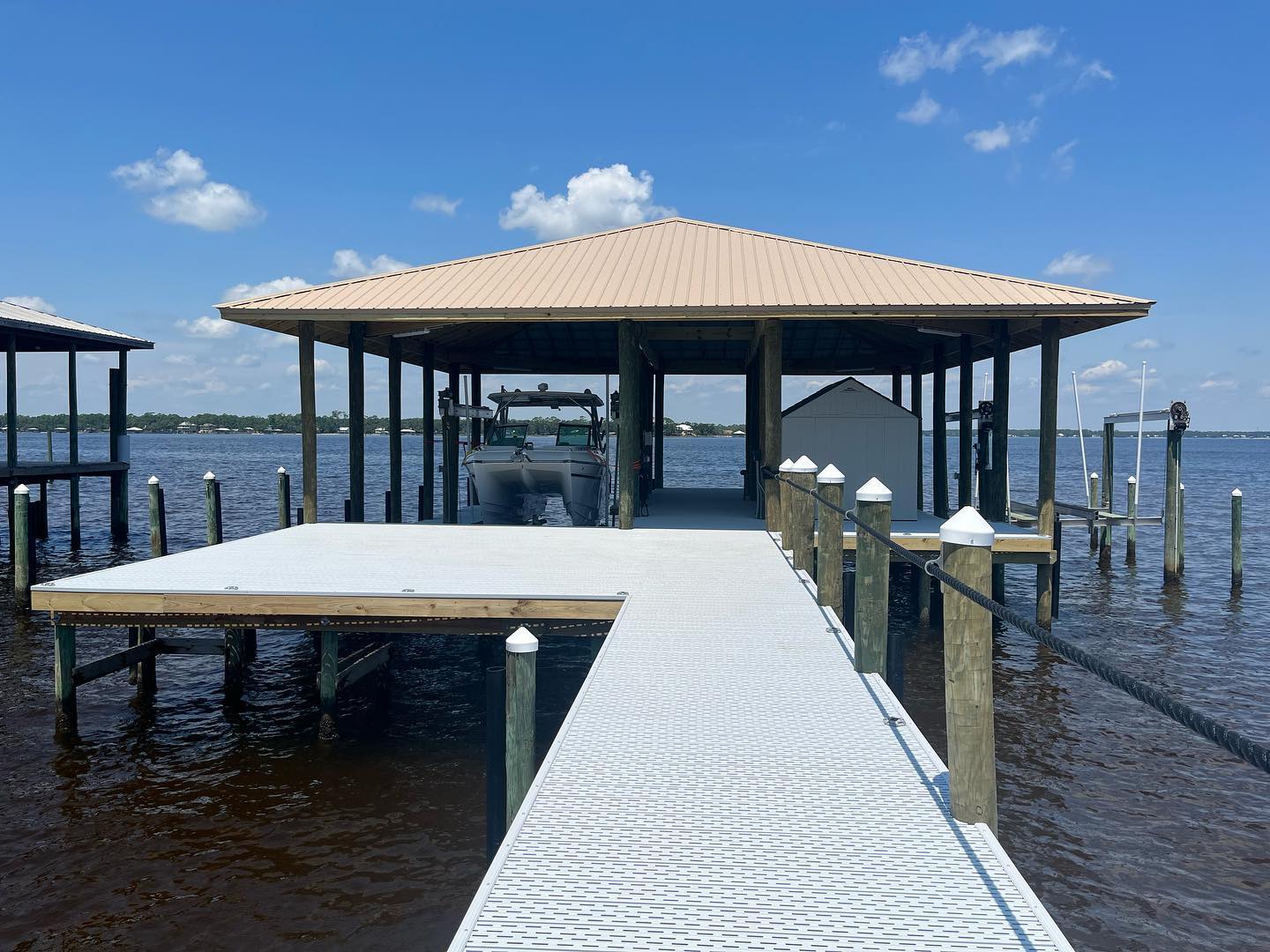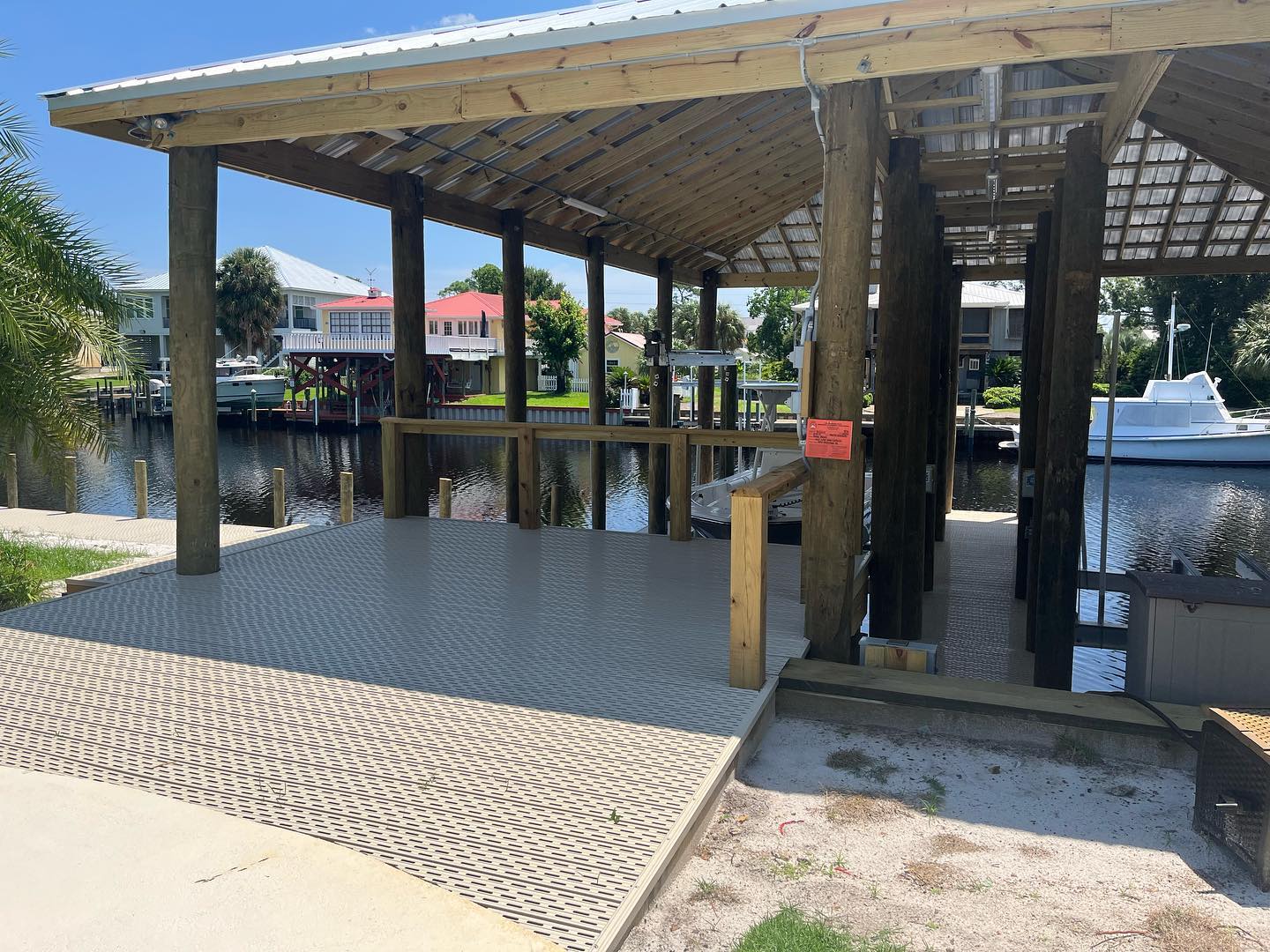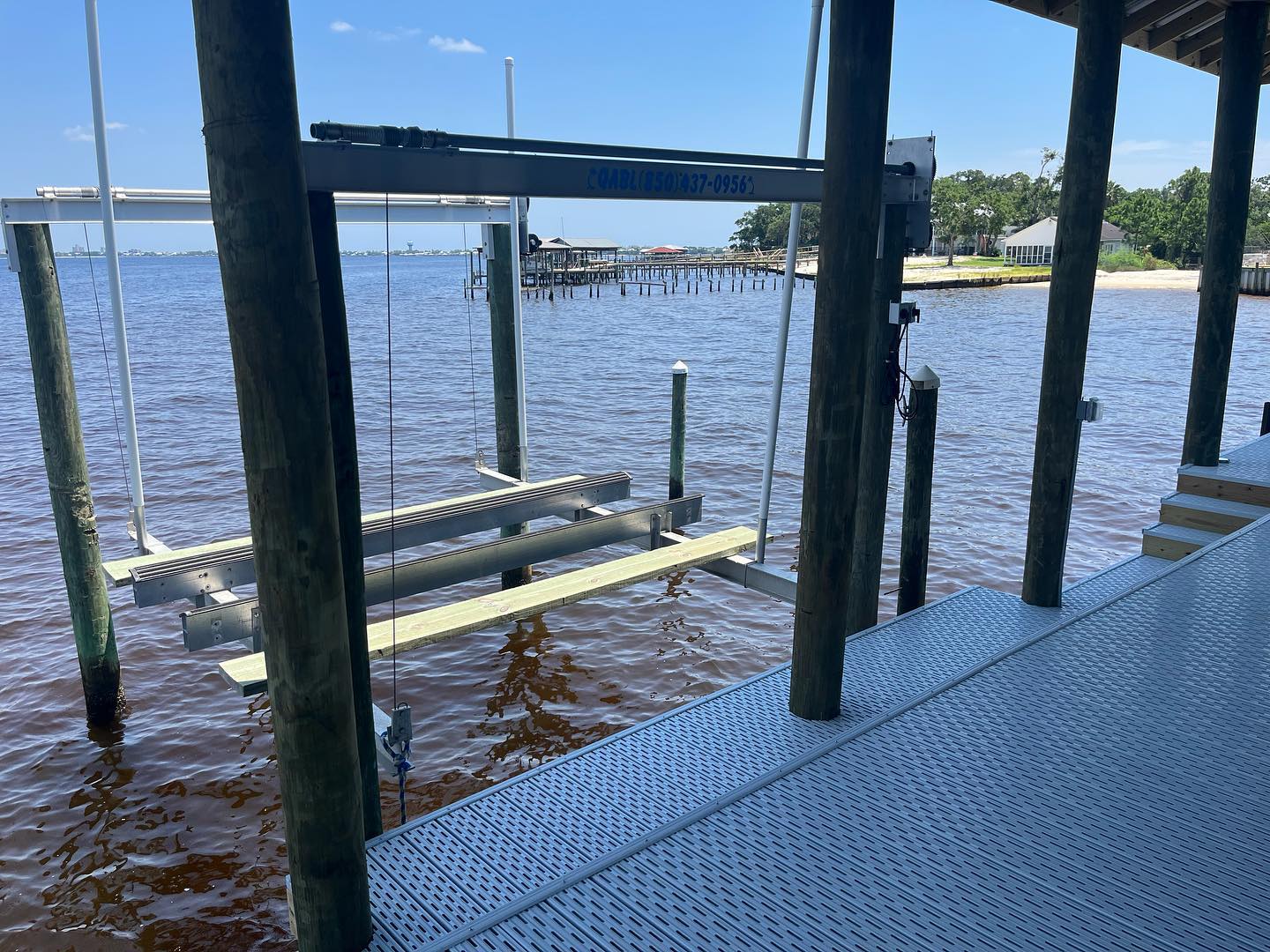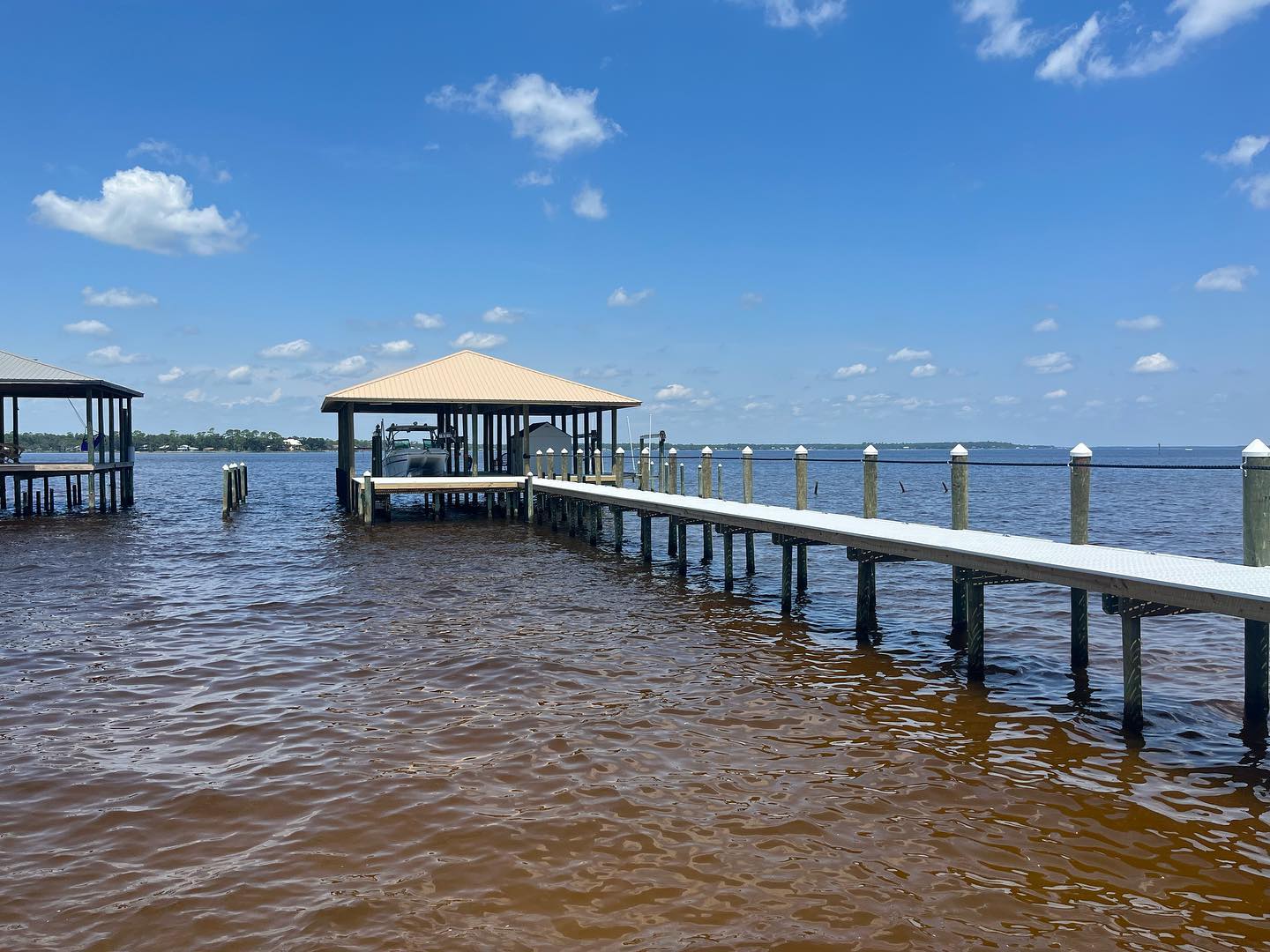
When it comes to marine construction, cutting corners is one of the most expensive mistakes a property owner can make. Whether you’re building a seawall, dock, pier, or bulkhead, the quality of your marine structure determines not only its performance but also its long-term cost. What may appear as a budget-friendly option at the beginning can result in mounting expenses, safety issues, and serious property damage over time.
Marine environments are some of the harshest and most unforgiving conditions for construction. Saltwater, fluctuating tides, storms, and constant water movement put marine structures under enormous pressure. If a project isn’t built right the first time—with the right design, materials, and expertise—those weaknesses will eventually surface. And when they do, they often come with hefty price tags.
When Cheap Becomes Costly: The Pitfalls of Rushed or Inadequate Builds
The most common hidden cost in marine construction is premature failure. A poorly built seawall or dock may look fine upon completion, but if it lacks structural integrity, the signs of failure can emerge within just a few years—or even months. Cracks, leaning, rot, and erosion are just a few symptoms of rushed work or low-grade materials. These repairs add up quickly, often exceeding the cost of doing it right the first time.
Subpar construction can also lead to environmental damage. Improper grading, poor drainage, or unstable fill materials can result in erosion, water contamination, and harm to aquatic ecosystems. Not only does this jeopardize your property, but it can also expose you to regulatory fines and remediation expenses. What looked like a shortcut turns into a long road of environmental and legal consequences.
And then there’s safety liability. Docks that are uneven, unstable, or built without attention to load-bearing requirements can pose serious injury risks. Whether it’s a guest slipping on a warped plank or a boater encountering a collapsed piling, the repercussions extend beyond physical harm—they can include lawsuits, insurance claims, and damaged reputations.
The Value of Doing It Right: Design, Materials, and Expertise
So, how do you avoid these hidden costs? It starts with smart design. Every marine construction project is unique. Site conditions, water levels, wave activity, soil stability, and property use must all be taken into account. An experienced marine contractor will tailor the design to your site, ensuring long-term functionality and structural integrity.
Next comes material selection. In marine environments, materials must be corrosion-resistant, durable, and engineered to withstand constant exposure to moisture and pressure. For example, pressure-treated marine-grade lumber, composite decking, stainless steel fasteners, and vinyl sheet piling are all industry-standard for a reason. Cheaper materials might reduce initial costs, but they wear out fast and require frequent repairs or replacement.
Just as important as materials is the method of installation. Even the highest-quality components will fail if installed incorrectly. The right contractor understands proper anchoring techniques, tidal considerations, erosion control measures, and the importance of drainage systems. A solid foundation is everything—especially when you’re building where land meets water.
Experience Pays for Itself
Hiring a skilled and reputable marine contractor may seem like a premium investment, but it’s one that pays off in the long run. A qualified team brings not only hands-on knowledge but also foresight. They can spot potential problems before they become disasters and make adjustments during the build to prevent future issues.
Additionally, experienced contractors are well-versed in local regulations, zoning requirements, and permitting processes. Navigating marine permits can be complex and time-consuming. A professional contractor ensures compliance with all applicable laws and environmental standards, avoiding costly fines or project delays.
Long-Term Benefits of Quality Marine Construction
When marine construction is done right, the difference is clear. Structures are sturdier, last longer, and require significantly less maintenance. This means fewer disruptions to your enjoyment of the property and more predictable budgeting over time.
Moreover, high-quality marine construction can enhance property value. Buyers and inspectors look favorably on well-built, professionally maintained marine structures. Whether you’re on a residential waterfront lot or managing a commercial marina, durability and reliability matter.
And let’s not forget about peace of mind. Knowing your seawall is holding strong against storm surges, or your dock is safe for family gatherings, is priceless. Marine construction is about more than building something functional—it’s about building something that will stand the test of time.
Final Thoughts
The true cost of poor marine construction isn’t always visible right away—but it always shows up eventually. Whether it’s through repair bills, environmental cleanup, or diminished property value, shortcuts on the shoreline never pay off. Investing in proper design, durable materials, and skilled labor protects not just your budget, but your land, your peace of mind, and your future.
If you’re considering marine construction, make sure you partner with a contractor who understands the complexity of coastal building. The hidden costs of inexperience or inferior work are never worth the initial savings. Quality may cost more upfront, but it will always cost less in the end.